What is The Crypto Paper Trading Market?

Crypto paper trading lets you practise orders, position sizing and exits with virtual funds. To evaluate a strategy, you also need to record costs, execution assumptions and departures from its rules.
What Is Crypto Paper Trading?
Crypto paper trading is simulated buying and selling using a virtual balance. You enter orders, manage positions and record hypothetical gains or losses without committing money to those positions. The name comes from recording imagined trades on paper; software now handles much of the calculation.
Many services use live market prices, but their execution rules differ. A chart-based simulator may calculate fills internally, an exchange demo may reproduce its trading interface, and a testnet may maintain a separate order book.
| Method | Useful for | Main limitation |
|---|---|---|
| Manual journal | Recording decisions against observed prices. | You must define and calculate execution assumptions. |
| Live-market paper account | Following a strategy as new prices arrive. | Order fills—the execution of all or part of an order—follow the simulator’s rules. |
| Backtest or historical replay | Testing rules across past market conditions. | Hindsight and repeated adjustments can distort results. |
| Testnet or API sandbox | Checking supported order workflows and software integration. | Prices, liquidity or responses may be artificial. |
What Can a Demo Account Actually Test?
Beginners can practise entering quantities, choosing order types, cancelling unfilled orders and managing exits. Learning to read crypto charts becomes more useful when each observation leads to a recorded decision rather than a trade placed on impulse.
Experienced traders can compare approaches, test a different timeframe or practise an unfamiliar product. Keep the comparison fair by using comparable capital, risk limits and market periods. Compare returns alongside the amount of capital exposed and the losses incurred.
Spot practice models purchases and sales of assets. Derivatives practice also requires attention to margin, the collateral supporting a position, and liquidation rules. Dated futures expire; perpetual contracts do not and can involve periodic funding payments between long and short positions. Check whether the demo models those payments and the contract you intend to study.
Set Up a Realistic Paper-Trading Account
Specify the market, instrument and timeframe before configuring the account. A test of hourly BTC spot entries needs different settings from a leveraged perpetual strategy or a long-term portfolio. Coindoo’s crypto trading tools guide can help with charting and record-keeping options around the simulator.
- Set a comparable balance. Adjust the virtual capital where possible, or keep a separately tracked allocation within the account.
- Record costs and exposure. Note the leverage, trading commissions and any funding or borrowing assumptions. Add a separate adjustment for costs the simulator omits.
- Write the decision rules. Define the entry, exit, position size and conditions that invalidate the trade. Use the trading strategies guide as a starting point for a specific testable approach.
- Save the starting conditions. Keep a dated record of the balance, settings and strategy version so later changes remain visible.
Completed practice worksheet – hypothetical, not a recommended strategy
- Account and market
- $2,000 virtual capital; ETH/USD spot; hourly candles; one position at a time; no leverage.
- Entry condition
- After an hourly candle closes above $2,000 following a close at or below it, place a buy limit at $2,000. Cancel if unfilled by the next hourly close.
- Intended exits
- For a filled entry, place a stop-market exit triggered at $1,900 and a take-profit limit at $2,200. Close the full position when an exit executes and cancel the other order.
- Position size
- $10 intended price risk ÷ ($2,000 entry − $1,900 stop) = 0.1 ETH. Entry value: $200.
- Cost and fill assumptions
- Assume a 0.1% commission on each executed order, solely for this example. Record actual simulated fills and separately examine less favourable stop execution.
- Record to retain
- Signal time, submitted orders, fills, fees, exit reason and any rule deviation. All prices are invented for the exercise.
The worksheet’s $10 figure covers the intended price movement only. Fees and slippage add to that loss, and a stop-market order may execute below its trigger. A simulator that assumes an exact stop fill can understate the downside.
Crypto Paper-Trading Platforms to Compare in 2026
For chart-based practice, look at the charting workflow and configurable costs. To learn an exchange’s interface, use its own demo. For derivatives, inspect contract and margin mechanics; for automation, check the supported API, the connection through which software sends requests. Features below were checked against official documentation on 26 October 2026.
The retained screenshots illustrate platform layouts from the original article. They are not a record of every current interface or feature.
Binance: Spot and Futures Demo Trading
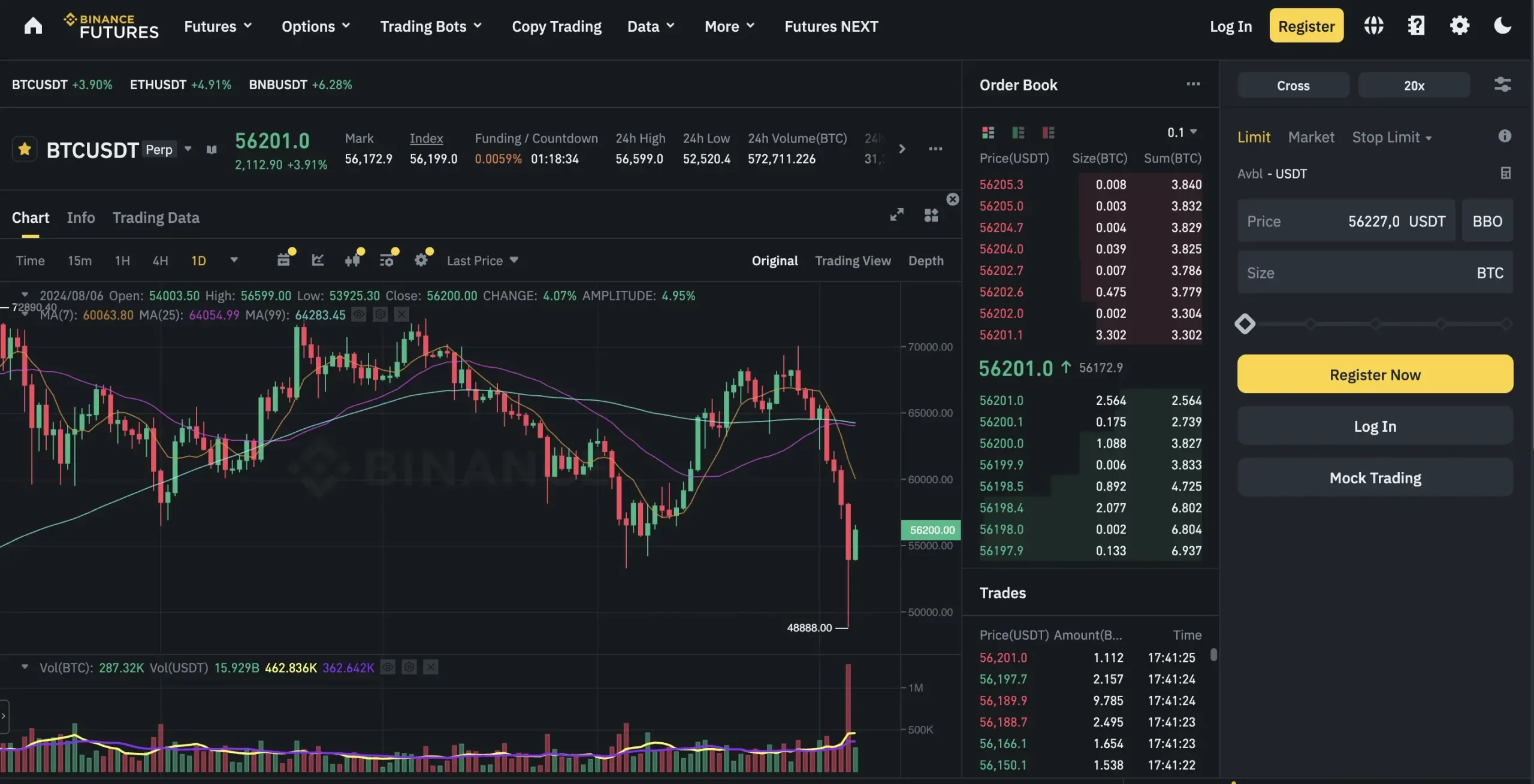
Binance’s current Demo Trading guide describes a unified environment for spot, USDⓈ-M futures and COIN-M futures. Users access it through a Binance account and practise with virtual assets.
The combined environment allows spot and futures practice under the same service. Keep a separate record for each product: a spot balance and a leveraged contract position produce different exposure even when both follow the same coin.
Kraken: Derivatives Practice
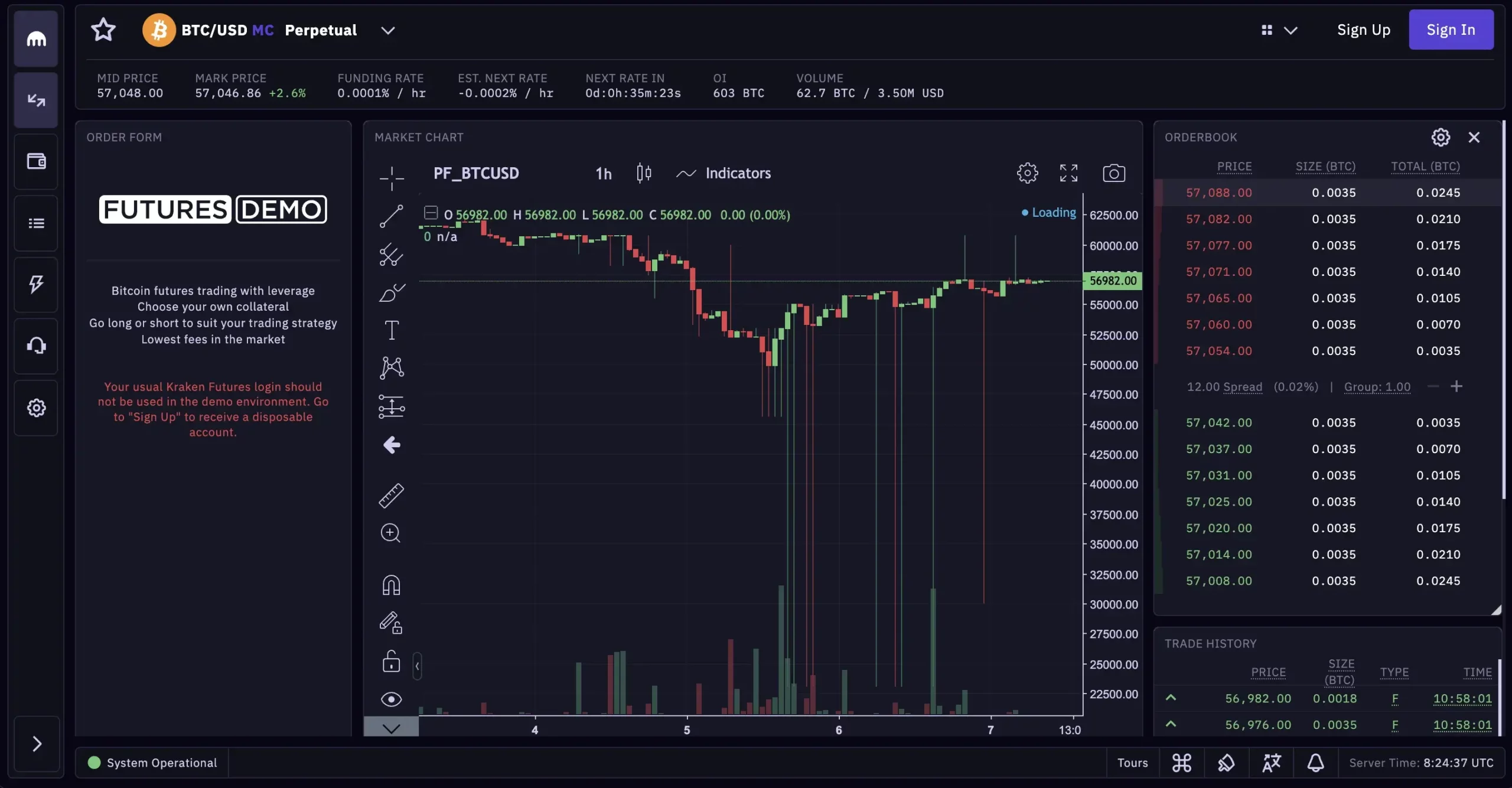
Kraken’s derivatives paper-trading documentation describes a separate demo environment with virtual funding and API support. It also notes that maximum position sizes differ from production. Treat it as derivatives practice rather than a general spot simulator.
Use the contract specifications and margin information shown in that environment when recording your test. Save the simulated contract, position size and collateral settings so the results can be interpreted against that product.
Related reading: Kraken makes tokenized stocks usable as crypto collateral.
Bybit: Demo Trading and Testnet Are Separate
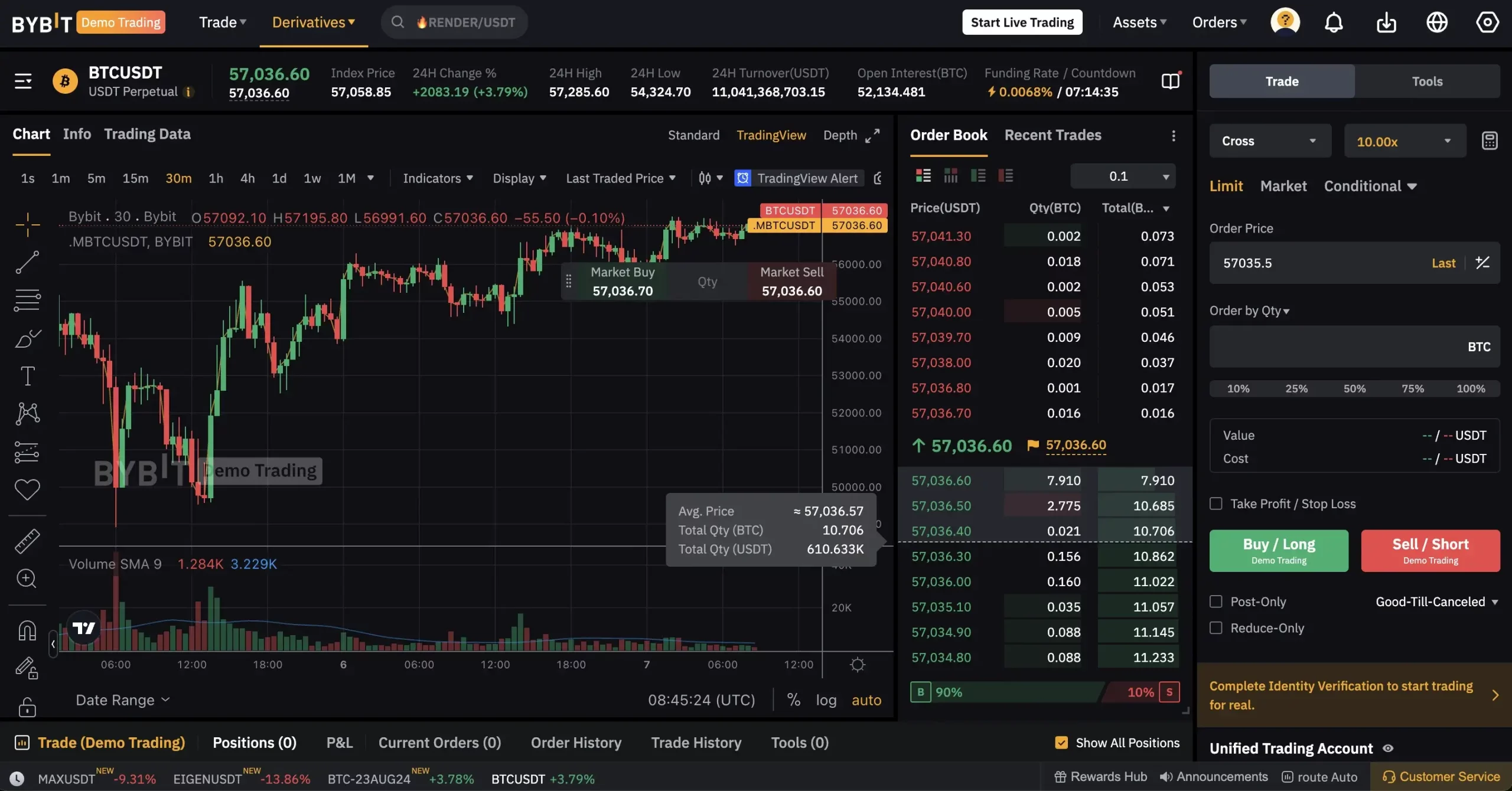
The global Bybit Demo Trading FAQ describes spot and derivatives simulation within its Unified Trading Account. Its demo follows main-platform market movements without placing those simulated orders into the real order book. Testnet uses a separate environment with its own market activity.
Product coverage differs by entity: the Bybit EU FAQ describes spot demo trading. Identify the account’s regional entity before selecting the product. For automated practice, Bybit’s demo API documentation lists the requests available in that environment and its service limitations.
KuCoin: Sandbox Availability Needs Confirmation
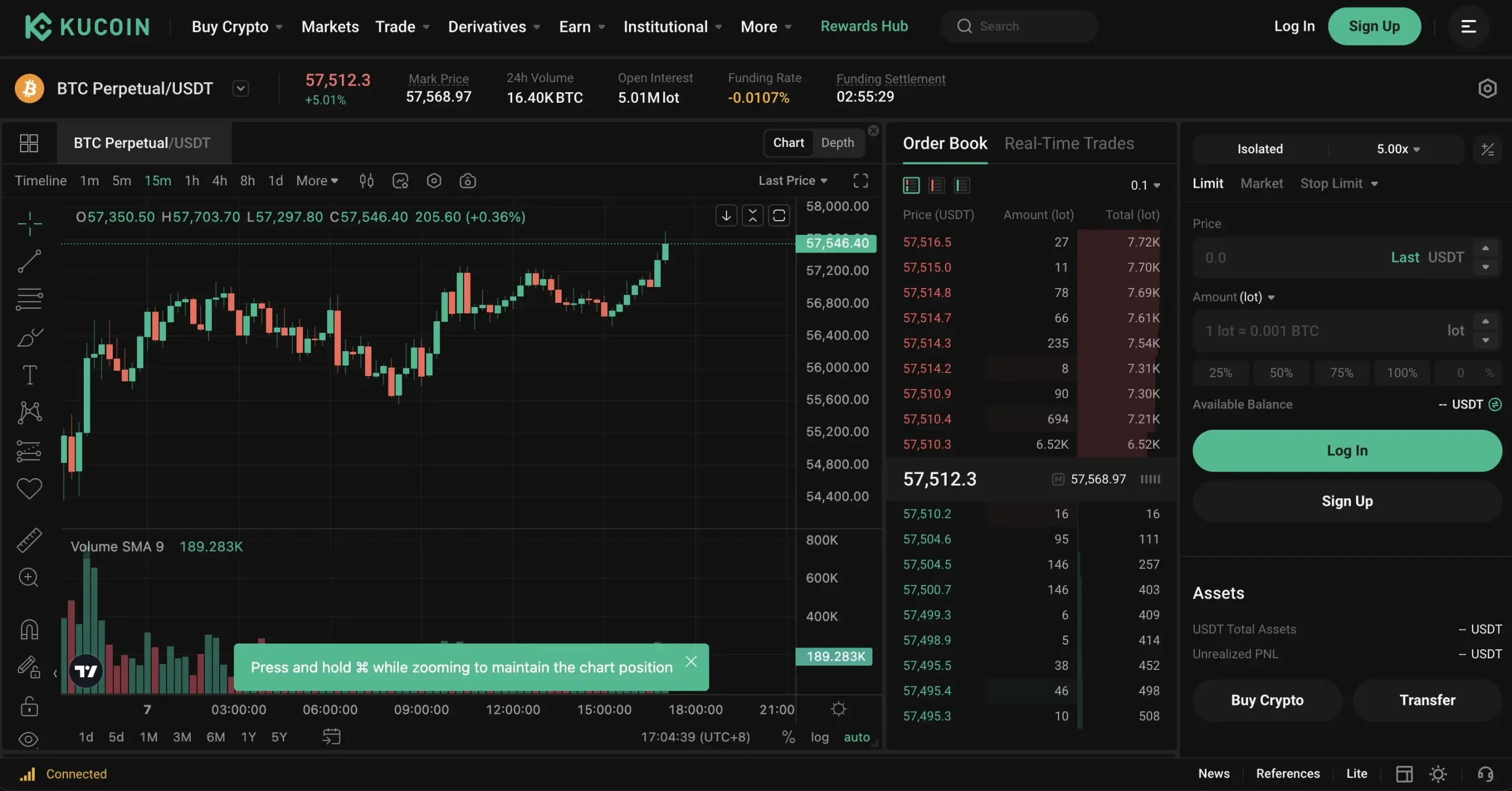
KuCoin’s official sandbox notice announced suspension of web and API services from 10 July 2023, with a replacement to be announced later.
The cited notice gives no replacement launch date. Current availability remains unverified in this guide; confirm an active official service and its documentation before building a practice workflow around it.
Bitfinex: Dedicated Paper-Trading Sub-Accounts
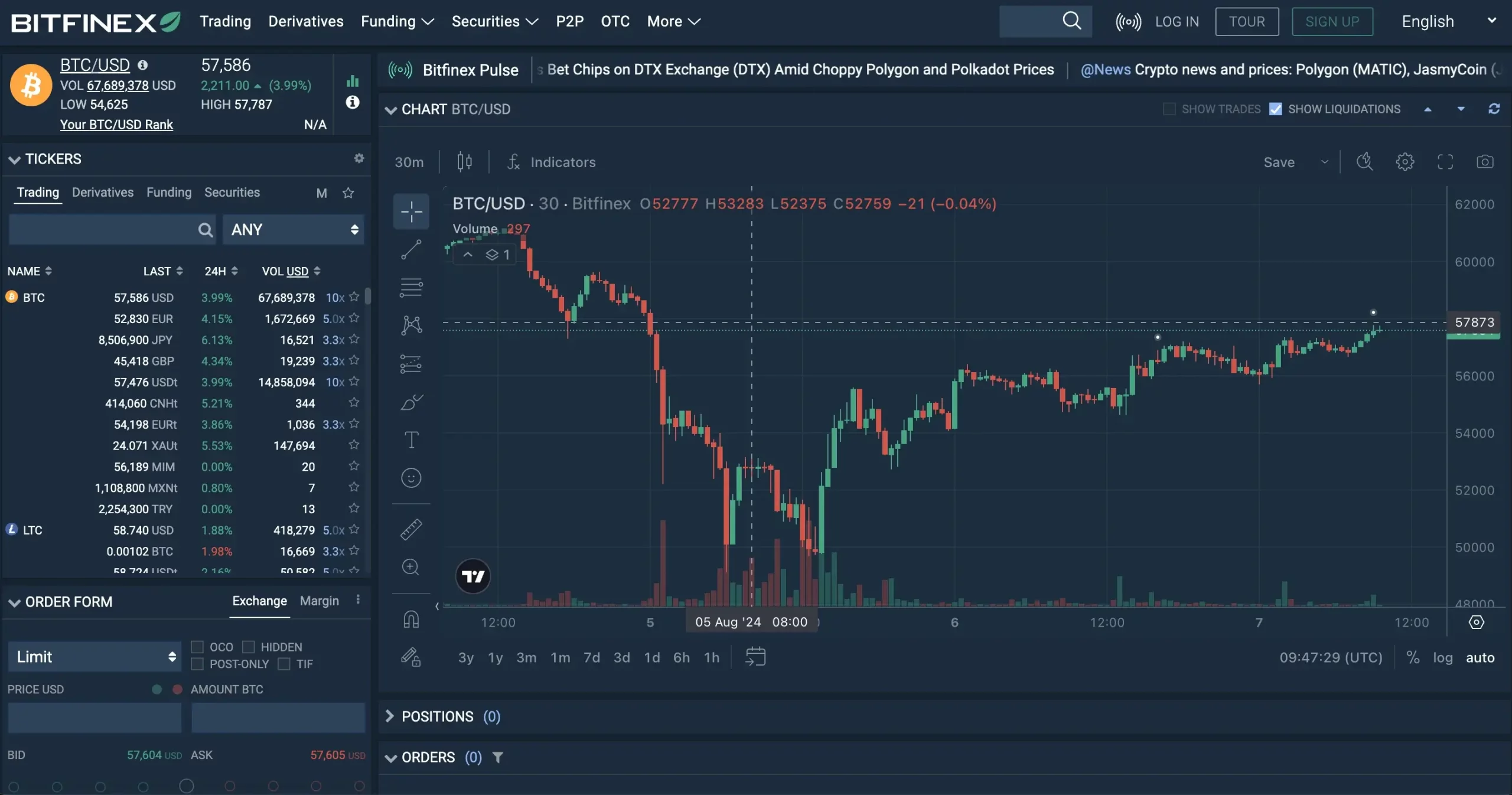
Bitfinex’s paper-trading guide describes creating a new sub-account and selecting Paper. Its documented practice features include exchange, margin and derivatives trading, alongside margin funding, borrowing and OTC workflows.
A paper sub-account cannot later be converted into a regular account. Bitfinex also specifically warns that funding in its paper environment does not replicate live funding. Returns that depend on its margin-funding market therefore need a separate assessment using live borrowing or lending conditions.
eToro: Virtual Portfolio
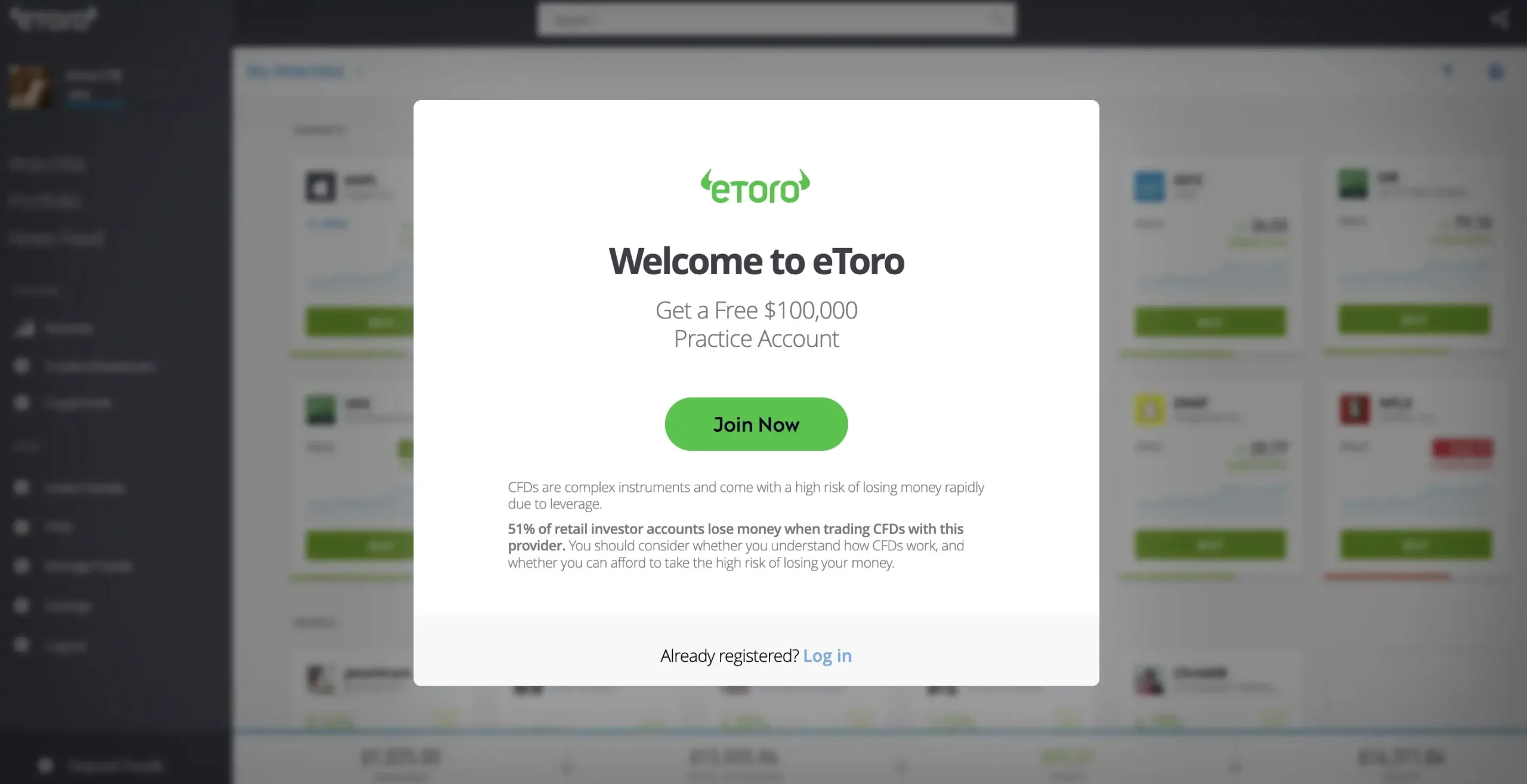
eToro’s Virtual Portfolio provides a simulated balance of $100,000 and access to practice across supported markets, including crypto. It also offers a way to explore portfolio tools and virtual copy trading. Available instruments and features depend on the relevant service.
The same page states that virtual trades carry no fees. Account for the applicable live costs separately when evaluating a strategy. If using the default balance, track the smaller allocation specified in your test rather than sizing positions against the entire virtual portfolio.
TradingView: Chart-Based Paper Trading
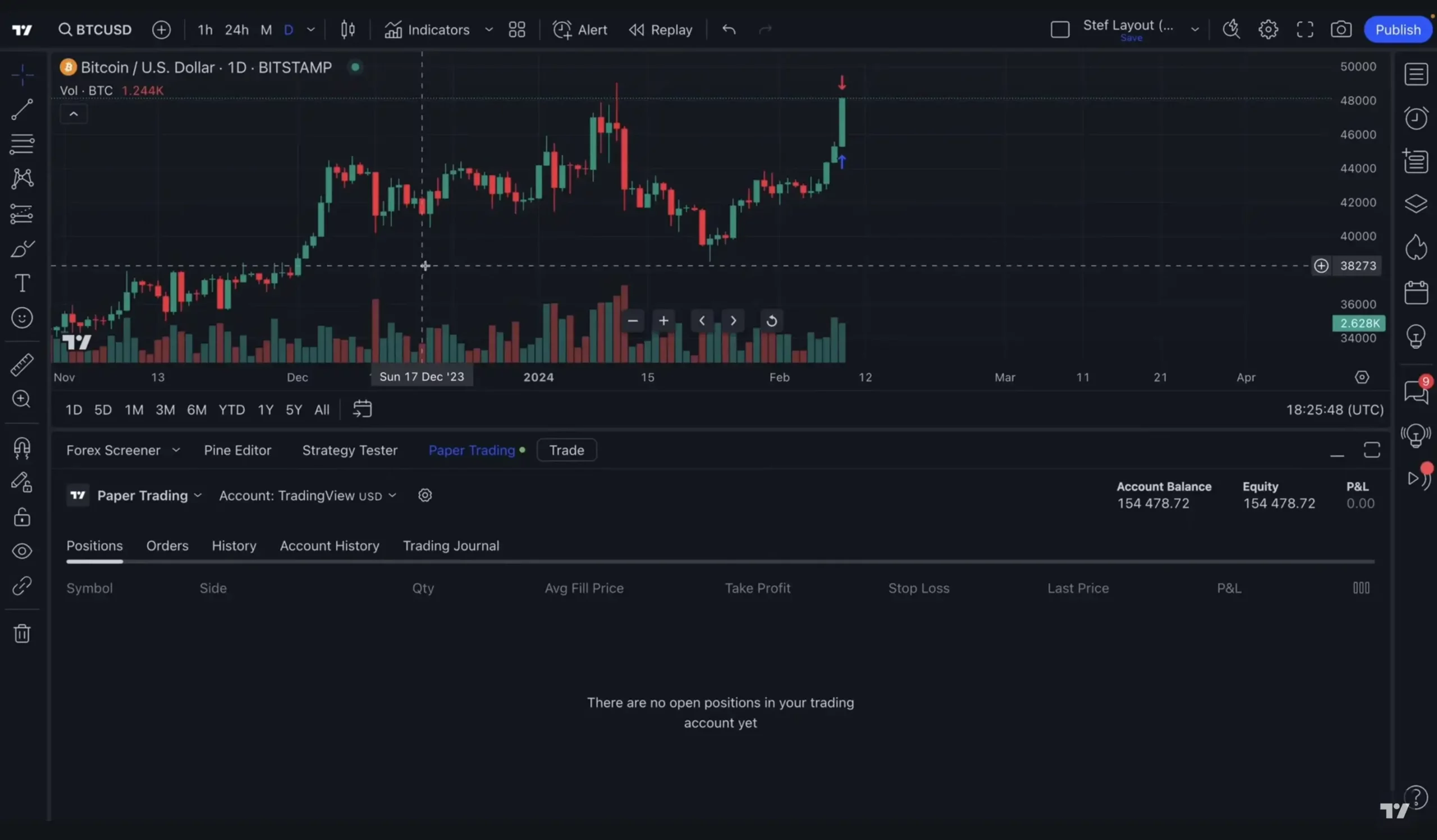
TradingView integrates Paper Trading into its charting workspace. Users can practise order entry and position management while using chart tools, and separate accounts can help organise different tests.
Its settings support leverage configuration and simulated commissions, including fixed or percentage-based options for relevant instruments. Save the commission and leverage settings with the account record, and identify the exchange feed used for the chart.
Why Paper Results Can Differ From Live Trading
Price data and executable liquidity are different. A market order trades against available bids or offers; a large order may fill at several prices. A limit order can remain unfilled, receive a partial fill or wait behind other orders at its price. Check how the simulator treats each case.
Spread, slippage and market impact affect execution. Commission, funding and borrowing affect costs. Avoid counting a spread twice if it is already reflected in the simulated purchase and sale prices. If the platform does not model an expense, label the separate adjustment so the calculation can be reproduced.
| Assumption | Buy | Sell | Gross result |
|---|---|---|---|
| Simplified fills | $100.00 | $102.00 | +$2.00 |
| Less favourable fills | $100.40 | $101.60 | +$1.20 |
Execution reduces the gross result by $0.80 in this example. Deduct fees separately. The simplified fills are an illustration, not a description of every simulator.
Real capital also changes the experience. Someone who follows an exit rule with a virtual balance may hesitate when an actual loss is involved. Practice can reveal inconsistent habits, but it cannot establish how a person will respond to financial pressure.
The CFTC’s discussion of simulated results addresses the limits of hypothetical performance as an indicator of actual trading outcomes.
Evaluate Your Paper-Trading Results
Calculate Performance
Net profit is useful only alongside the exposure and losses required to produce it. Account equity is the cash balance plus the current value of holdings in a spot account; a derivatives account instead includes collateral and unrealised profit or loss under its rules. Drawdown measures the decline from a previous equity peak. Record average gains and losses, maximum drawdown and how much of the result came from the largest winning trade.
Win rate measures how often trades finish positively. Combine it with the average size of wins and losses to calculate the sample’s average result. The following ten invented outcomes show why win rate alone can mislead.
Calculation ledger — hypothetical results before costs
- Winning trades
- 7 × $10 = +$70
- Losing trades
- 3 × $30 = −$90
- Net result
- $70 − $90 = −$20 across 10 trades
- Sample average
- −$20 ÷ 10 = −$2 per trade, despite a 70% win rate
Costs would reduce this result further. The sample average describes these trades; ten observations cannot establish the strategy’s long-term expected return.
Check the Quality of the Test
Also score execution discipline. A profitable trade placed outside the rules belongs in the record as a deviation. Otherwise, a strategy’s results become mixed with discretionary decisions it never specified.
Separate developing the strategy from evaluating it. During development, adjust the rules and label each version. For evaluation, keep the selected version unchanged over the defined observation period. Changing an entry rule after seeing the outcome makes the results harder to interpret.
If you change capital, leverage or costs, begin a separately labelled test rather than combining incompatible results. Keep losing runs in the evaluation; restarting after a drawdown and reporting only the recovery would hide part of the strategy’s history.
Review the market conditions as well. A strategy observed only during a strong rally has not demonstrated how it behaves in a sideways or falling market. Record missed signals and time spent monitoring it, since a method that requires attention you cannot provide may be impractical even in simulation.
There is no universal profitable week, trade count or return threshold that proves readiness for live trading. The review should establish which rules were followed, how the results were calculated and which execution assumptions remain untested.
Crypto Paper Trading FAQ
Can You Withdraw Paper-Trading Profits?
Ordinary demo balances and simulated gains have no withdrawable value. A competition may offer separate prizes under its own rules; that does not turn the practice balance into real funds.
Do You Need to Make a Deposit?
Many demo services supply virtual funds without a trading deposit. Account requirements, paid chart features and market-data subscriptions vary. Use the platform’s official instructions and confirm that the selected mode is simulated.
Can You Test a Trading Bot?
Some environments provide demo APIs, but supported order types, endpoints and rate limits can differ from production. Use the designated credentials and environment, and separately check the bot’s behaviour when orders are rejected or connections fail.
Does Demo Access Mean You Can Trade Live?
No. Live eligibility can depend on location, identity checks, customer classification and the product involved. Demo access should not be treated as permission to use every product shown.
Conclusion
Save the completed run before resetting the account or changing its settings. Recalculate the outcome with the relevant costs and less favourable execution assumptions, then identify which conclusions still hold. Use those findings to decide what to test next.
- Updated October 26, 2026



With over 6 years of experience in the world of financial markets and cryptocurrencies, Teodor Volkov provides in-depth analyses, up-to-date news, and strategic forecasts for investors and enthusiasts. His professionalism and sense of market trends make the information he shares reliable and valuable for everyone who wants to make informed decisions.