A small group of altcoins has separated from the broader crypto market, with Jito, Worldcoin and Pump.fun all posting double-digit gains over the past 24 hours.

A small group of altcoins has separated from the broader crypto market, with Jito, Worldcoin and Pump.fun all posting double-digit gains over the past 24 hours.
Grayscale is pulling back from three proposed altcoin ETFs as old 19b-4 deadlines give way to a different SEC listing framework.
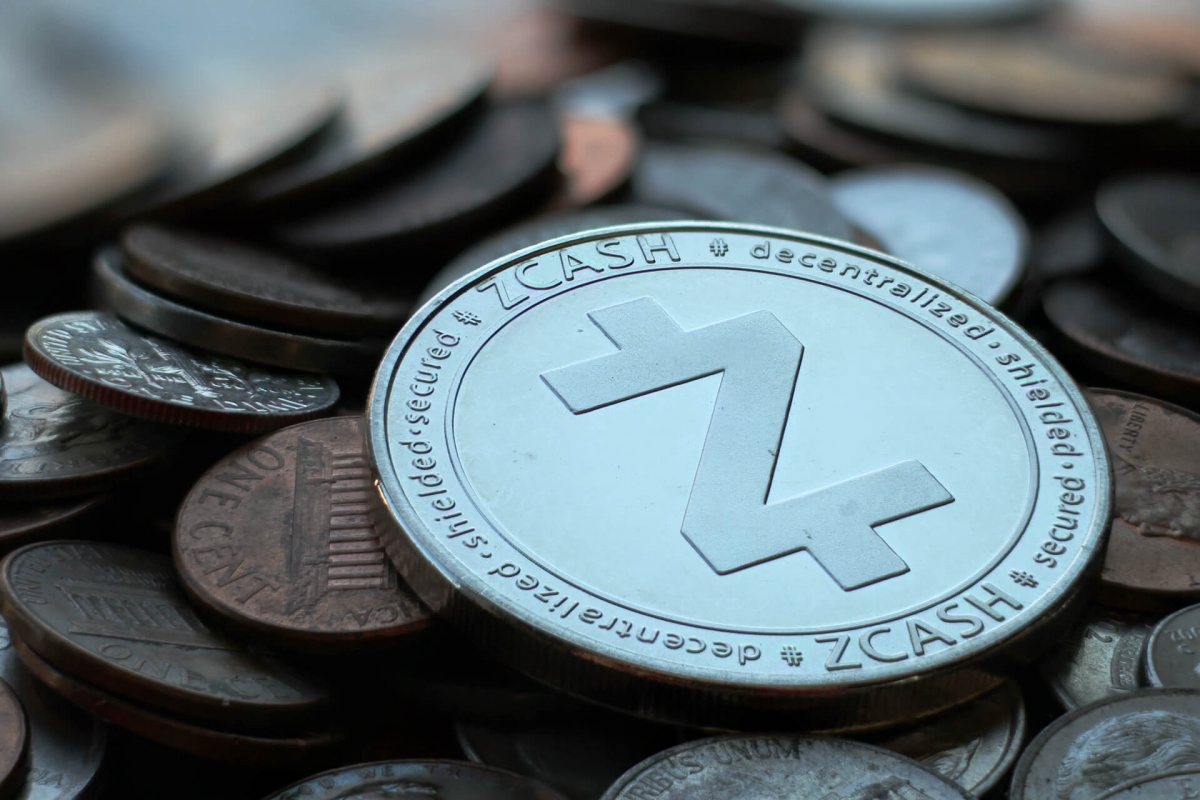
Zcash was trading near $525 at the time of writing after pushing through the resistance that stalled its previous rebound.
Bittensor has moved back above its 50-day simple moving average after spending nearly two months below it.

Sui is preparing quantum-safe accounts and vaults, with a migration design that would allow users to change the cryptography protecting their account without moving assets to a new address.

HYPE ETF demand reversed in July as JPMorgan identified two structural tests for Hyperliquid in 2026: regulated perpetual futures and an increasingly crowded prediction-market sector.
Ethereum has spent six sessions testing resistance near $1,870. With futures leverage still elevated, a break above $1,920 or below $1,850 could trigger a sharper move.
Ethereum researchers are considering a new reward-burn mechanism that would let validator issuance decline at high staking levels, aiming to reduce dilution and weaken incentives for excessive concentration.

HYPE returned to the top of its month-long descending channel on August 4, reaching an intraday high of $56.01 before pulling back to around $54.58.

Solana is considering two separate changes to how SOL enters and leaves circulation.

XRP held above $1.05 on August 3 while large transfers dominated exchange outflow activity.

XRP held near $1.06 on August 1, with price still confined between $1.05 support and resistance near $1.11 as Binance open interest fell to a 15-month low.


That role has become more useful as bridging and onchain lending have become routine.…
Solana is a public blockchain built to process transactions at a pace and cost…

Key takeaways Bluesky leads decentralized social on scale, without using a blockchain. Farcaster changed…

Crypto trading can look simple until a fast market, thin order book or leveraged…