ChinaAMC’s Hong Kong dollar and US dollar tokenized money market funds can now trade around the clock on PantherTrade, but the weekend hours they add are their least anchored.

ChinaAMC’s Hong Kong dollar and US dollar tokenized money market funds can now trade around the clock on PantherTrade, but the weekend hours they add are their least anchored.
Aviva Investors has added a tokenized share class of its £22 billion Sterling Liquidity Fund on the XRP Ledger, less than three months after putting its dollar cash fund onchain.

Bitcoin sits on $80,000 as a packed week begins: the Fed on Wednesday, about $11 billion in options on Friday and the midterms a week from Tuesday.

Ethena (ENA) is up about 6% on Sunday, trading near $0.207 as it pushes back above its 50-day moving average and tests the top of a month-long falling channel.

Quant (QNT) is up about 3% on Sunday, trading near $185 after buyers stepped in at the 0.618 Fibonacci level following a slide of more than 50% from its peak.

Thirty dollars landed in an AI agent’s wallet. Three of them came from customers.

A live Ethereum layer-2 network has dropped transaction signatures entirely, and its founder has published where the design still breaks, including a front-running flaw found and fixed before publication.

Arbitrum slipped 3.13% to about $0.16, briefly dipping below the midpoint of its rally from $0.07 to $0.26 before buyers pulled it back above that line.
NEAR Protocol (NEAR) is down about 1.6% on Sunday, trading near $4.43 after buyers stopped Saturday’s sell-off at a support zone where three key levels meet.
Malicious Electrum servers have been swapping users’ outgoing Bitcoin payments for fake, zero-fee lookalikes, hoping the owner would bump the fee and sign a real payment to the attacker.

Solana (SOL) briefly slipped under $100 on Saturday, three days after its biggest network upgrade went live, as ETF outflows and a market-wide wave of liquidations weighed on the token.
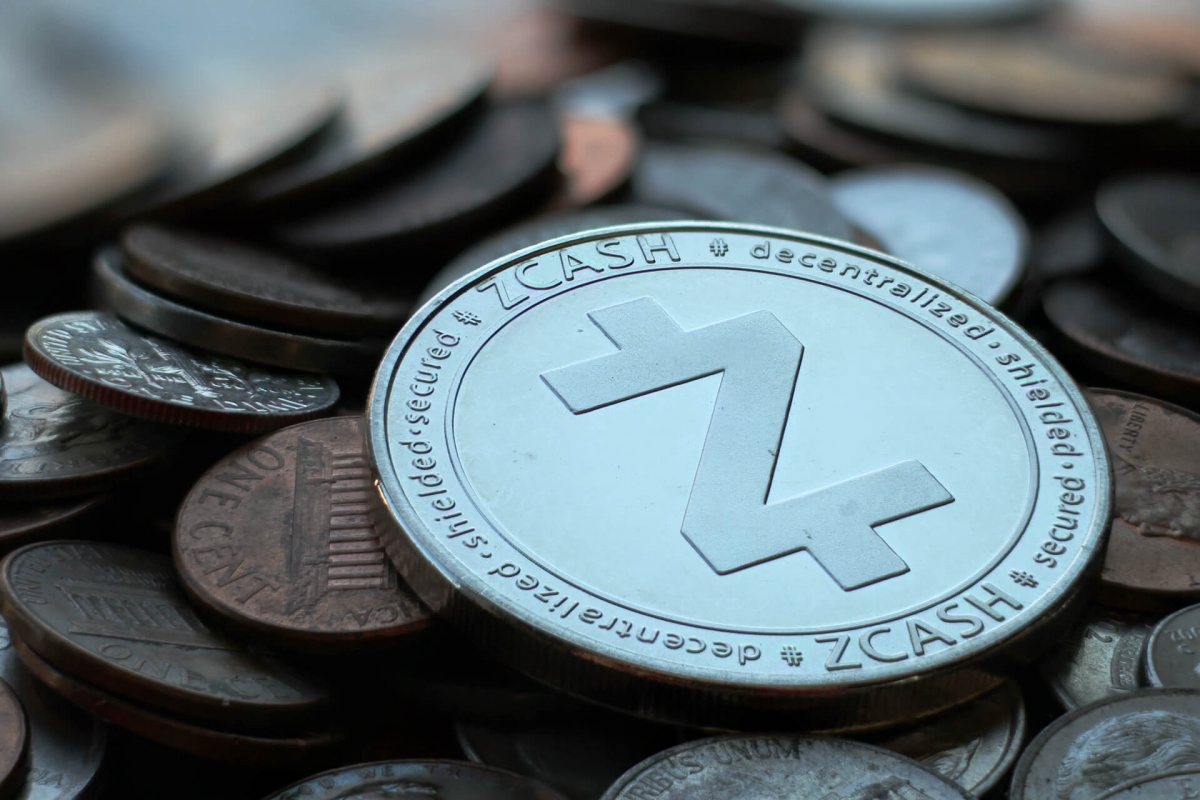
Zcash (ZEC) is down about 2% on Saturday, trading near $1,157 after a rebound stalled at its 50-day moving average and leveraged traders absorbed roughly $23 million in liquidations.

That role has become more useful as bridging and onchain lending have become routine.…
Solana is a public blockchain built to process transactions at a pace and cost…

Key takeaways Bluesky leads decentralized social on scale, without using a blockchain. Farcaster changed…

Crypto trading can look simple until a fast market, thin order book or leveraged…