Ethereum processed 54% more transactions this year, yet users paid 58% less ETH in total fees and supply grew, so the scaling payoff has reached users, not holders.

Ethereum processed 54% more transactions this year, yet users paid 58% less ETH in total fees and supply grew, so the scaling payoff has reached users, not holders.
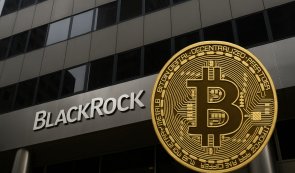
BlackRock’s IBIT posted net outflows in every session from November 2 to 6, while the rest of the U.S. Bitcoin ETF market combined finished the week nearly flat.
U.S. regulators have abandoned a six-year-old plan requiring transfer data on cross-border payments as small as $250, yet crypto users sending modest sums abroad can still face questions.

Galaxy Research says sovereign funds absorbed what hedge funds sold during Bitcoin's slump, but quarter-by-quarter filings from two of its named holders show both sides buying through December.

Robinhood, Coinbase and Circle leaned on newer businesses in the third quarter, but that income depends on customer trading, interest rates and, in Circle’s case, a token presale.

Hyperliquid traders added to chip-stock perpetuals as US semiconductor shares sank after the midterms, paying elevated hourly funding to keep those positions open while prices kept falling.

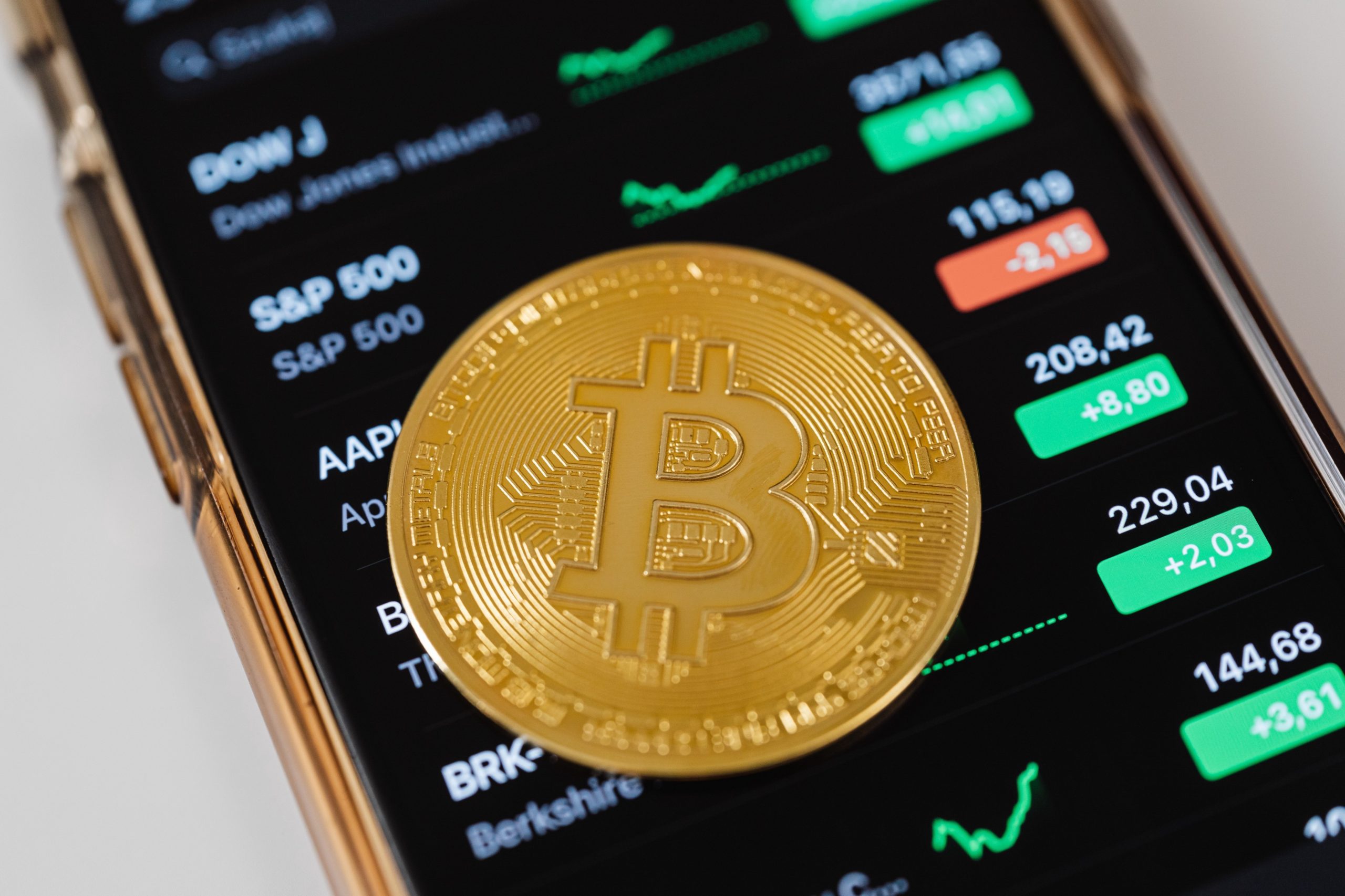
Bitcoin is trading just under $76,000 after a failed rally toward $80,000 this week, and a stronger-than-expected US jobs report has added interest-rate pressure to an already fragile setup.
Solana is trading near $90 after sellers pushed it through the $92 area into support where its 200-day moving average meets the floor of an October downtrend channel.

Bitcoin looks short of retail traders and Binance futures exposure has shrunk, but both readings followed a record exchange hack, and measured in coins, futures positioning barely moved.

After Binance’s $6.3B breach, 21Shares says ETFs are safer. Its own ARKB filing shows the risk shifts, not disappears.

Former FBI agent Patrick Yaroch pleaded guilty to stealing roughly $2.5 million in cryptocurrency with wallet credentials gathered during investigations, showing how case access can become spending power.

A Hyperliquid Strategies subsidiary has applied to become a futures commission merchant for Hyperliquid’s planned permissioned markets, a step toward regulated U.S. access that still needs two separate approvals.


That role has become more useful as bridging and onchain lending have become routine.…
Solana is a public blockchain built to process transactions at a pace and cost…

Key takeaways Bluesky leads decentralized social on scale, without using a blockchain. Farcaster changed…

Crypto trading can look simple until a fast market, thin order book or leveraged…