Fed Opened a Door for Crypto, Then Locked the Back One
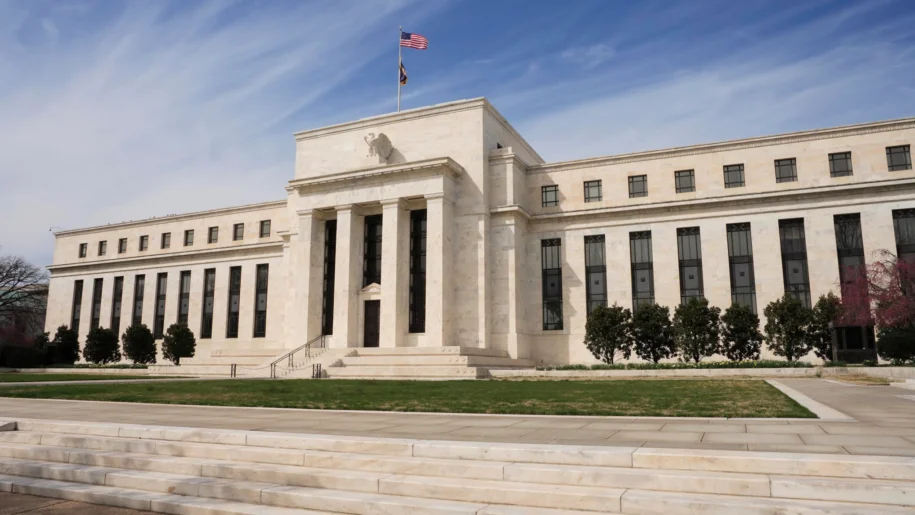
The Federal Reserve released a formal proposal on May 20, 2026 establishing limited payment accounts for eligible non-bank financial firms, including crypto and fintech companies, giving them direct connectivity to key payment infrastructure under a defined set of constraints.
- Fed released skinny account proposal May 20, one day after Trump executive order.
- No credit, no interest, no overdraft, no FedACH: access limited to Fedwire and FedNow.
- Charter requirement unchanged: only state or OCC national trust bank charter holders eligible.
- All 12 regional Fed banks instructed to freeze outstanding applications during comment period.
What the Skinny Accounts Actually Permit
The accounts provide direct connectivity to Fedwire Funds and FedNow, which based on publicly available Federal Reserve documentation handle large-value and real-time wholesale settlement respectively. Account holders cannot access intraday credit or the emergency discount window, earn no interest on overnight reserve balances, and face automated controls that prevent overdrafts with maximum closing balances calibrated to expected transaction volume. The FedACH exclusion is the provision that defines what these accounts are actually for: crypto and fintech firms gain access to wholesale settlement infrastructure while remaining explicitly locked out of the retail payment layer that would make them competitive with commercial banks in consumer-facing banking.
The One-Day Gap Between the Executive Order and the Proposal
The Trump executive order signed May 19 mandated federal regulators and the Fed to review restrictive payment policies. It explicitly criticized legacy rules for favoring incumbents over innovators. The Fed’s proposal appeared the following day. The Fed simultaneously withdrew its restrictive 2023 guidance that had historically blocked crypto-adjacent and state-chartered uninsured institutions from the Federal Reserve system. The 2023 withdrawal paired with the new framework’s release suggests the proposal was in preparation before the executive order arrived, and the order accelerated its publication rather than caused it, though no source confirms that sequencing explicitly.

Who Benefits and Who Waits
The proposal does not expand statutory eligibility. Only firms holding or actively securing state-level or OCC national trust bank charters can apply. Ripple, Anchorage Digital, and Wise are named as the most likely beneficiaries given their long-standing applications, following the precedent set in March 2026 when Kraken Financial secured a limited-purpose account through the Kansas City Fed.
The firms most likely to benefit from the skinny account framework are the same firms whose applications the Fed has simultaneously frozen pending finalization of that framework, which means the proposal’s winners cannot act on it until after the 60-day comment period resolves. All 12 regional Fed banks have been instructed to pause decisions on outstanding applications from nontraditional firms until the final rule is established.
The Legal Gap the 60-Day Comment Period Creates
The withdrawal of the 2023 guidance and the release of the new framework on the same day creates a legal gap: applications submitted during the 60-day comment period exist in a space where the old restrictive standard no longer applies and the new permissive one is not yet final. The comment period runs approximately until July 19, 2026.
If the final rule is published without material changes to the framework’s current terms, the proposal will have delivered exactly what its structure implies: wholesale rail access for a defined class of non-bank firms with the retail banking competitive threat neutralized by design. If the comment period produces pressure to include FedACH access or broaden eligibility beyond current charter requirements, the final rule will have expanded meaningfully beyond what the proposal currently permits, and the competitive ceiling the current draft establishes will have been raised before it was ever enforced.
The information provided in this article is for educational purposes only and does not constitute financial, investment, or trading advice. Coindoo.com does not endorse or recommend any specific investment strategy or cryptocurrency. Always conduct your own research and consult with a licensed financial advisor before making any investment decisions.



Kosta has reported on cryptocurrency markets and blockchain infrastructure since 2020, bringing over six years of hands-on experience in the crypto industry built through daily tracking of markets, trends, and emerging blockchain developments. Specializing in Bitcoin on-chain analysis, institutional ETF flows, and digital asset price action, his work at Coindoo has been cited by other news agencies and consistently covers market developments with a focus on data-driven reporting across Bitcoin, Ethereum, Solana, and XRP. Over the years, Kosta has contributed to multiple crypto media outlets in different regions, authoring over 6,000 articles across the sector. His reporting spans cryptocurrency markets and the broader fintech industry, tracking not only price action but also the technological and regulatory forces shaping the ecosystem. To support his analysis, Kosta actively leverages on-chain data and metrics from leading platforms such as Santiment, Glassnode, and CryptoQuant, enabling deeper, evidence-based market insights. He believes in the power of transparency and the data that underpins the blockchain ecosystem. His academic background in Marketing Management from Denmark further complements his analytical approach, adding a strong understanding of communication strategy and content positioning to his work.