SoFi Enables Direct Solana Deposits in U.S. Banking First
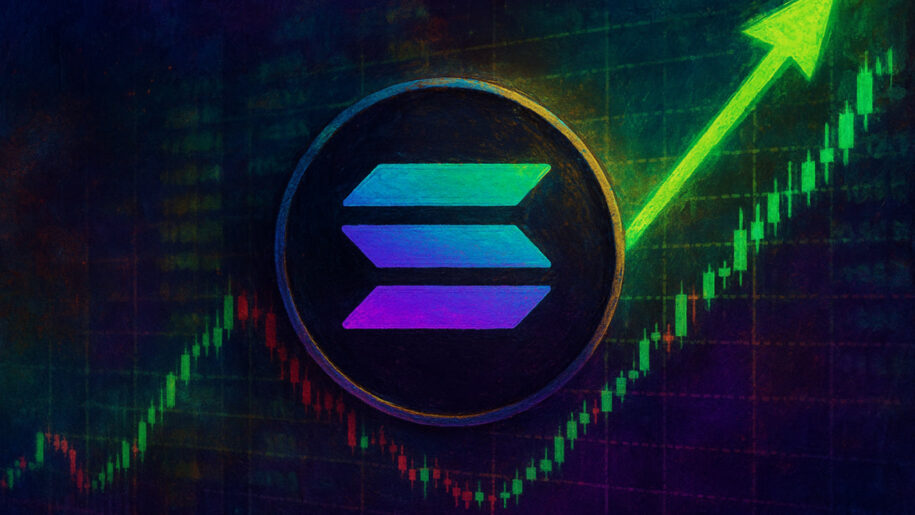
SoFi is making a decisive move deeper into digital assets, becoming the first nationally chartered U.S. bank to support direct on-chain deposits via the Solana network.
Key Takeaways
- SoFi now supports direct SOL deposits on-chain via Solana.
- Users can transfer from private wallets into their bank accounts.
- Assets move natively on blockchain – not just brokerage exposure.
- Fast, low-fee transfers integrated with traditional banking.
Тhe fintech-turned-bank rolled out native SOL deposit functionality to its 13.7 million members, allowing customers to transfer tokens directly from private wallets into regulated bank accounts. The update positions SoFi at the forefront of the growing convergence between traditional banking and public blockchains.
A Shift From Brokerage-Style Crypto
Until now, most U.S. banks that offered digital assets did so through custodial or brokerage-style exposure. In those models, clients could buy or sell crypto, but the assets rarely moved on-chain.
SoFi’s integration changes that dynamic. Users can generate a unique deposit address within the SoFi app and transfer SOL directly from external wallets such as Phantom or Solflare. The tokens settle natively on-chain before appearing inside the user’s SoFi account dashboard.
The deposited SOL balance is displayed alongside checking accounts, savings products, loans, and investment accounts – effectively merging decentralized assets with everyday banking.
Built For Speed And Retail Scale
The choice of Solana was not incidental. The network is designed for high throughput, capable of processing tens of thousands of transactions per second. For retail users moving smaller amounts frequently, speed and low fees are critical.
On Solana, transfers are typically confirmed within seconds and cost only fractions of a dollar in network fees. This makes it far more practical for day-to-day usage compared to slower or more expensive blockchain alternatives.

The integration also supports the SPL token standard, ensuring compatibility across the broader Solana ecosystem.
Regulatory Edge And Security Framework
As a nationally chartered institution, SoFi applies bank-grade compliance, KYC, and security procedures to these on-chain transactions. That regulatory overlay may offer reassurance to users who want blockchain access without sacrificing institutional safeguards.
Market commentators, including Jim Cramer, have flagged the development as a meaningful differentiator for SoFi’s publicly traded shares (NASDAQ: SOFI). The move could attract crypto-native customers who prefer self-custody but want seamless integration with a traditional bank.
Why This Matters
The announcement signals a broader evolution in U.S. banking. Instead of merely offering exposure to digital assets, SoFi is enabling actual blockchain interoperability – allowing assets to move freely between decentralized wallets and regulated financial accounts.
If successful, the model could pressure other banks to follow suit, accelerating the integration of public blockchains into mainstream financial infrastructure.
For now, SoFi has secured first-mover status in what may become a defining trend for the next phase of digital asset adoption.
The information provided in this article is for educational purposes only and does not constitute financial, investment, or trading advice. Coindoo.com does not endorse or recommend any specific investment strategy or cryptocurrency. Always conduct your own research and consult with a licensed financial advisor before making any investment decisions.



Alex is Editor-in-Chief of Coindoo and co-founder of Millennial Media Group, with nearly a decade of experience covering financial markets - crypto first, then everything else. It started in 2016 with Bitcoin. Like most people at the time, he didn't fully understand it - so he kept digging. Blockchain, tokenomics, the projects, the cycles. That curiosity never stopped, and eventually pulled him into traditional markets too: equities, commodities, macro. Not because he left crypto behind, but because you can't properly understand one without the other. What drives him is straightforward: he wants to know why something is happening, not just that it's happening. Most market coverage stops at the headline - price up, price down, here's a chart. Alex finds that kind of reporting actively unhelpful. If you walk away from an article without understanding the mechanism behind the move, what did you actually learn? He holds a degree in Tourism from New Bulgarian University - not the most obvious path into financial markets, but markets have a way of pulling in people who are simply too curious to stay out. He has authored over 200 in-depth analyses and more than 10,000 articles across crypto and traditional finance. He still thinks every day in markets teaches him something new. That's probably why he hasn't stopped.