Tokenized Gold Debuts in Hong Kong as U.S. Crypto Rules Face Senate Vote

Hong Kong has taken a significant step toward blending traditional commodities with blockchain infrastructure, launching its first physically backed gold exchange-traded fund with a pathway toward tokenization.
Hang Seng Investment Management has introduced the Hang Seng Gold ETF, marking a major milestone for regulated, asset-backed products in Asia and signaling growing institutional openness to tokenized real-world assets.
Key takeaways:
- Hong Kong has launched its first physically backed gold ETF with plans for tokenized access
- The fund holds physical gold and follows established global custody and pricing standards
- A future tokenized unit class could enable regulated on-chain exposure to gold
The Hang Seng Gold ETF began trading on the Hong Kong Stock Exchange under stock code 3170. It is designed to track the LBMA Gold Price AM, the widely used morning gold benchmark set in London.
🇭🇰HONG KONG LAUNCHES FIRST TOKENIZED GOLD ETF
The Hang Seng Gold ETF has debuted as Hong Kong’s first gold ETF with physical redemption and a tokenized unit class on Ethereum. pic.twitter.com/BftpA3yOXW
— Coin Bureau (@coinbureau) January 29, 2026
Structured as a passive ETF, the fund holds physical gold bars that meet London Bullion Market Association good delivery standards. The gold is stored in vaults in Hong Kong, with HSBC acting as custodian, reinforcing the product’s institutional-grade structure.
The ETF trades in Hong Kong dollars with a board lot size of fifty units and carries an estimated ongoing charge of 0.40 percent per year, alongside an expected annual tracking difference of minus 0.50 percent. It does not intend to make dividend distributions, meaning returns are driven entirely by movements in the gold price.

Retail investors trade ETF units on the secondary market like ordinary shares, while participating dealers can create or redeem units using cash and, in some cases, physical gold. Importantly, Hang Seng has confirmed plans for a future tokenized unit class, which would allow blockchain-based access to physically backed gold within a regulated framework.
U.S. Senate Vote and the Broader Crypto Impact
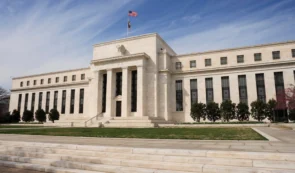
While Hong Kong advances regulated tokenization in commodities, the United States is approaching a critical regulatory inflection point. The U.S. Senate is scheduled to vote today at 3:00 PM ET on the Crypto Market Structure Bill, widely regarded as one of the most consequential pieces of crypto legislation in years. The vote is expected to clarify regulatory responsibilities, market definitions, and compliance requirements across the digital asset industry.
🚨 HUGE:
🇺🇸 U.S. Senate votes on the Crypto Market Structure Bill TODAY at 3:00 PM ET
This is one of the most important regulatory moments for crypto in years.
Clear rules means:
• Institutional capital unlocked
• Compliance risk drops
• Long-term adoption accelerates… pic.twitter.com/xK0O8gvEFy— Crypto Tice (@CryptoTice_) January 29, 2026
Clearer rules could unlock institutional capital, reduce legal uncertainty, and accelerate long-term adoption of crypto assets and tokenized products. At the same time, markets appear largely unprepared for definitive regulatory clarity, increasing the likelihood of short-term volatility around the vote.
What to watch next
Investors should pay close attention to the final vote outcome, immediate market reactions, and any follow-up guidance from regulators. A favorable result could accelerate institutional participation and support further convergence between traditional finance and tokenized assets, while delays or setbacks may prolong uncertainty and near-term volatility.
In either case, today’s developments – from tokenized gold in Hong Kong to regulatory clarity debates in Washington – underscore how rapidly the global financial landscape is evolving.
The information provided in this article is for educational purposes only and does not constitute financial, investment, or trading advice. Coindoo.com does not endorse or recommend any specific investment strategy or cryptocurrency. Always conduct your own research and consult with a licensed financial advisor before making any investment decisions.



Alexander Zdravkov is a market analyst and crypto journalist with interests in economics, broader financial markets and digital assets. His journey into crypto began more than four years ago, driven by a fascination with the rapid evolution of blockchain technology and the transformative potential of decentralized finance. He began analyzing market cycles and identifying emerging trends before they reach the mainstream. He holds a degree in International Relations - a background that helped shape his broader perspective on global economics, geopolitics, and the interconnected nature of modern financial markets. Whether covering the latest developments in the crypto sector or exploring broader macroeconomic themes, Alexander focuses on giving readers context rather than simply repeating headlines. During his career, he has authored more than 10,000 articles covering cryptocurrencies, traditional finance, and global market developments. His work spans everything from Bitcoin and altcoins to macroeconomic trends influencing risk assets worldwide.