Japan Reconsiders Crypto Policy With ETFs on the Horizon
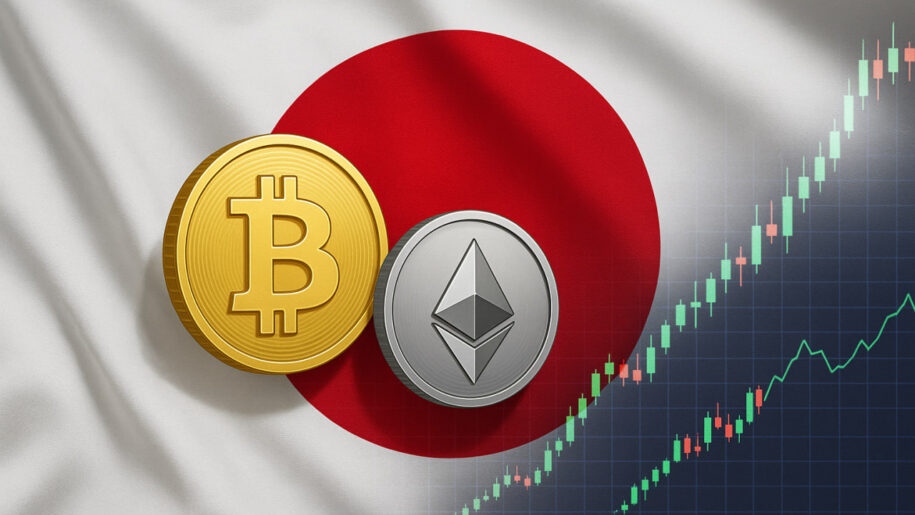
Japan may be preparing to open the door to cryptocurrency exchange-traded funds, with approval potentially coming as early as 2028.
According to recent reporting highlighted by Coin Bureau, Japanese regulators are increasingly receptive to crypto ETFs, with major financial groups already positioning themselves for a future launch.
Key takeaways:
- Japan could approve crypto ETFs as early as 2028.
- Nomura and SBI Holdings are seen as leading candidates for initial listings.
- The move would mark a significant shift in Japan’s traditionally cautious crypto regulation.
The potential policy change reflects a broader reassessment of digital assets within Japan’s financial system. After years of strict oversight following past exchange failures, regulators appear to be moving toward a more structured, institution-friendly approach that mirrors developments already seen in the United States and parts of Europe.
🇯🇵JAPAN SET TO GREENLIGHT CRYPTO ETFs BY 2028
Japan could approve crypto ETFs as early as 2028, with Nomura and SBI Holdings seen as leading candidates for the first listings. pic.twitter.com/PJVhwndQ9d
— Coin Bureau (@coinbureau) January 25, 2026
Institutions Line Up for First Listings
Two of Japan’s largest financial players — Nomura Holdings and SBI Holdings — are widely viewed as frontrunners to launch the country’s first crypto ETFs. Both firms have prior experience with digital assets, blockchain infrastructure, and crypto-related investment products, making them natural candidates if approval is granted.
For regulators, ETFs offer a controlled framework that reduces many of the risks associated with direct retail crypto trading. By routing exposure through regulated funds listed on established exchanges, authorities can maintain oversight while still allowing investors access to the asset class.

Why Japan’s Decision Matters Globally
Japan’s potential approval would carry weight far beyond its domestic market. As one of the world’s largest economies with deep capital markets, Japan has historically influenced how other Asian jurisdictions approach financial innovation. A green light for crypto ETFs would signal growing institutional acceptance of digital assets across the region.
The timing is also notable. Japan is navigating a complex macro environment marked by yen volatility, rising bond yields, and shifting monetary policy. In that context, offering regulated crypto investment vehicles could help channel demand into transparent, supervised products rather than offshore platforms.
If approved, crypto ETFs would represent a significant milestone in Japan’s gradual reintegration of digital assets into its mainstream financial system. While 2028 may still seem distant, the direction of travel is becoming clearer: crypto is moving from the periphery toward the core of Japan’s capital markets.
The information provided in this article is for educational purposes only and does not constitute financial, investment, or trading advice. Coindoo.com does not endorse or recommend any specific investment strategy or cryptocurrency. Always conduct your own research and consult with a licensed financial advisor before making any investment decisions.



Alexander Zdravkov is a market analyst and crypto journalist with interests in economics, broader financial markets and digital assets. His journey into crypto began more than four years ago, driven by a fascination with the rapid evolution of blockchain technology and the transformative potential of decentralized finance. He began analyzing market cycles and identifying emerging trends before they reach the mainstream. He holds a degree in International Relations - a background that helped shape his broader perspective on global economics, geopolitics, and the interconnected nature of modern financial markets. Whether covering the latest developments in the crypto sector or exploring broader macroeconomic themes, Alexander focuses on giving readers context rather than simply repeating headlines. During his career, he has authored more than 10,000 articles covering cryptocurrencies, traditional finance, and global market developments. His work spans everything from Bitcoin and altcoins to macroeconomic trends influencing risk assets worldwide.