Brazil Bans Closed Pension Funds from Investing in Crypto Assets
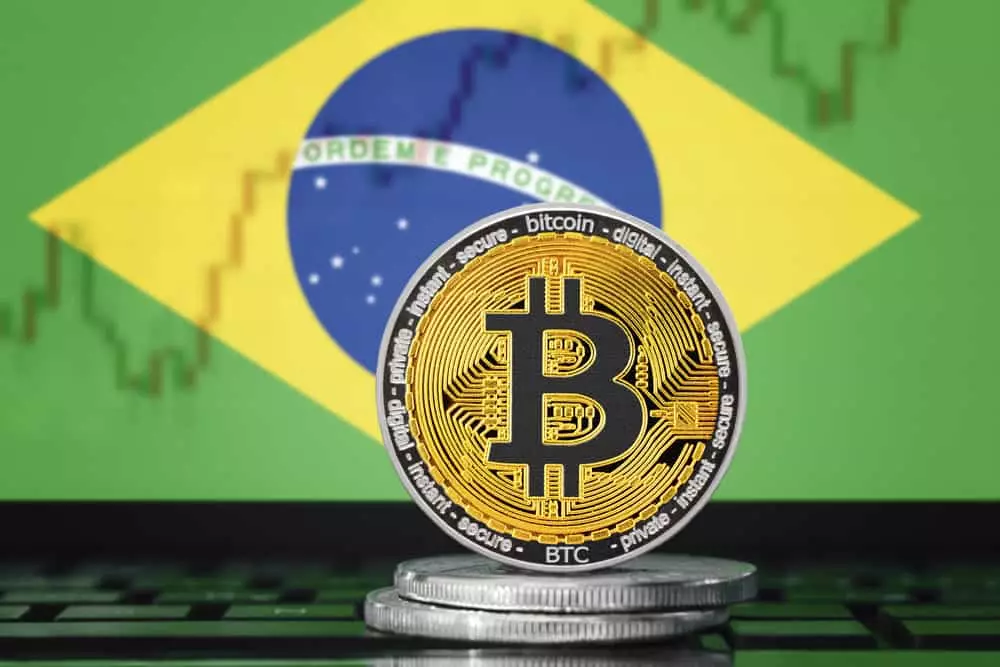
On March 27, 2025, Brazil's National Monetary Council announced that closed pension funds managing approximately $250 billion would no longer be allowed to invest in crypto assets.
This decision was driven by concerns over the volatility of digital currencies, especially after Bitcoin surged by 120% in 2024, reaching a price of around $80,000.
Protecting Retirees’ Savings
The ruling primarily affects large pension funds like Previ and Petros, which collectively serve millions of retirees. These funds have historically favored low-risk investments, such as government bonds, due to Brazil’s 10.5% Selic rate. However, with declining bond yields, there has been a push for diversification, which crypto was initially considered for, but now has been barred.
Alternative Investment Options
While the council has placed restrictions on cryptocurrencies, it is still allowing investments in other sectors, including agro-industrial funds and infrastructure debentures. These moves are seen as a way to support Brazil’s $150 billion export sector. However, new sustainability rules are expected to slow down the adoption of these investment avenues.
Global Contrasts in Crypto Regulation
The decision to ban crypto investments stands in stark contrast to trends seen in other parts of the world. For example, U.S. pension funds have embraced Bitcoin ETFs, with Wisconsin investing $155 million in the asset, and Florida exploring the creation of a “Bitcoin Reserve.” Meanwhile, Australia allows indirect crypto exposure, but South Korea and the Netherlands remain cautious about integrating crypto into their financial systems.
A Contradiction with Brazil’s 2022 Crypto Law
Despite the ban, Brazil’s 2022 crypto law marked a significant step toward regulating the digital asset market, where 10 million Brazilians are now holders of digital assets. The country’s real estate regulations are also evolving, with pension funds avoiding forced property sales that were previously mandated by 2030. However, they are still restricted from directly purchasing real estate.



Kosta has reported on cryptocurrency markets and blockchain infrastructure since 2020, bringing over six years of hands-on experience in the crypto industry built through daily tracking of markets, trends, and emerging blockchain developments. Specializing in Bitcoin on-chain analysis, institutional ETF flows, and digital asset price action, his work at Coindoo has been cited by other news agencies and consistently covers market developments with a focus on data-driven reporting across Bitcoin, Ethereum, Solana, and XRP. Over the years, Kosta has contributed to multiple crypto media outlets in different regions, authoring over 6,000 articles across the sector. His reporting spans cryptocurrency markets and the broader fintech industry, tracking not only price action but also the technological and regulatory forces shaping the ecosystem. To support his analysis, Kosta actively leverages on-chain data and metrics from leading platforms such as Santiment, Glassnode, and CryptoQuant, enabling deeper, evidence-based market insights. He believes in the power of transparency and the data that underpins the blockchain ecosystem. His academic background in Marketing Management from Denmark further complements his analytical approach, adding a strong understanding of communication strategy and content positioning to his work.