XRP, Cardano, and Solana in 2026: Key Developments, Price Speculation, and Comparison
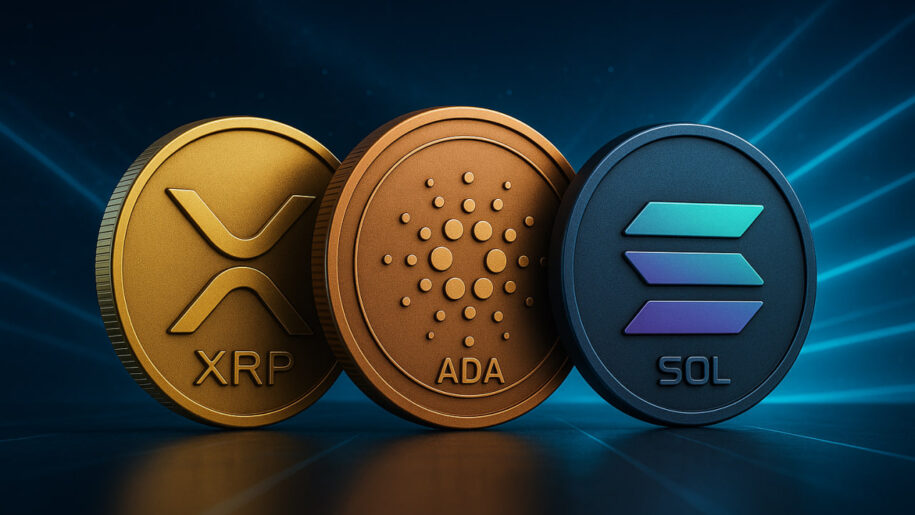
The cryptocurrency market is evolving at breakneck speed, and by 2026, the landscape could look drastically different.
Three projects in particular – XRP, Cardano (ADA), and Solana (SOL) – are positioned to play major roles in shaping the next phase of digital assets. Each has unique strengths, dedicated communities, and ambitious roadmaps. With fresh institutional interest, on-chain accumulation trends, and powerful technical chart patterns, these assets are drawing intense attention from both retail traders and major investors.
XRP: Institutional Momentum and a Path to Mainstream Use
XRP’s role as a cross-border payments solution for banks and financial institutions has always set it apart from most cryptocurrencies. In a significant recent development, the Central Bank of Malaysia listed XRP alongside Bitcoin as a potential replacement for cash and bank deposits – a strong signal of institutional trust.
The project’s future is closely linked to regulatory clarity in the U.S., with a potential spot XRP ETF on the horizon. Ripple’s expanding On-Demand Liquidity (ODL) network and its growing involvement in CBDC projects could give XRP a significant edge in global finance.

From a technical standpoint, XRP broke out of a multi-year triangle pattern in late 2024, triggering bullish targets of around $12.60. This move reflects long-term momentum and renewed market confidence.

Key factors driving XRP into 2026:
- Resolution of the SEC lawsuit, potentially unlocking U.S. ETF approval.
- Expansion of RippleNet and ODL usage across global banks.
- Integration into CBDC projects, increasing real-world utility.
- Multi-year bullish breakout with room for higher targets.
Price Outlook:
- Conservative: $4–$6 with steady but moderate adoption.
- Bullish: $10–$12+ if ETF approval and CBDC partnerships align.

Cardano: Governance, Scaling, and Resilient Holders
Cardano has built its brand on a deliberate, research-first approach to blockchain development. The ongoing Voltaire era will introduce fully decentralized governance, allowing ADA holders to directly shape the network’s direction. The Hydra Layer-2 scaling solution is also on the way, promising transaction throughput in the millions per second, which could transform Cardano’s competitiveness.
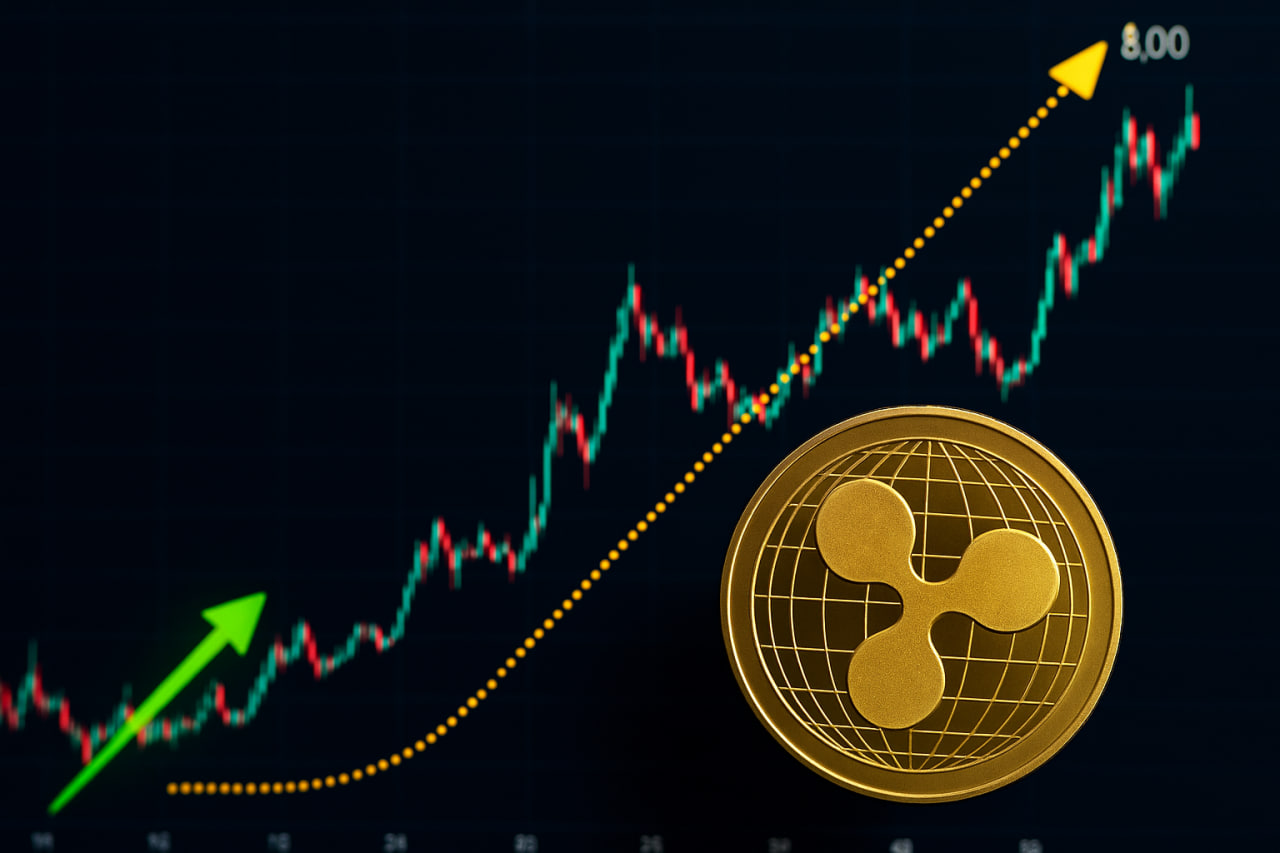
Adoption is also picking up – Brave Browser, with over 91 million monthly users, has added Cardano mainnet support. Meanwhile, on-chain data paints a bullish picture, showing that long-term holders (LTHs) have been accumulating since 2021 with minimal selling pressure. Short-term holders (STHs) remain relatively neutral but are showing slight accumulation trends, unlike the aggressive selling seen in past bull runs.

Risk metrics like the Market Temperature indicator suggest that ADA is still in an accumulation phase rather than market euphoria, while the rising Adjusted Sharpe Ratio points toward improving risk-adjusted returns – historically a prelude to strong price moves.
Key factors driving Cardano into 2026:
- Full implementation of Voltaire decentralized governance.
- Hydra Layer-2 scaling to millions of TPS.
- Strong long-term holder base with minimal sell pressure.
- Positive on-chain risk metrics indicating room for growth.
Price Outlook:
- Conservative: $0.70–$1.00 if adoption grows gradually.
- Bullish: $3–$8 if upgrades succeed and adoption accelerates.

Solana: Speed, Stability, and High-Upside Technicals
Solana has positioned itself as one of the fastest blockchains in the world, attracting a large number of developers for DeFi, NFTs, and gaming. However, past network outages have raised concerns – an issue the upcoming Firedancer validator client aims to fix by boosting stability, scalability, and decentralization.
Technically, Solana has recently broken out of a cup-and-handle pattern, a classic bullish formation that analysts say could push prices toward $1,315. With strong momentum and upcoming technical improvements, Solana is aiming for a period of sustained growth.

Institutional interest could be a major catalyst, with speculation about a spot Solana ETF gaining traction. Even without it, Solana’s ecosystem continues to expand rapidly, covering high-volume DeFi platforms, NFT marketplaces, and Web3 gaming.
Key factors driving Solana into 2026:
- Successful Firedancer deployment, eliminating outages.
- Cup-and-handle breakout targeting over $1,300.
- Expanding DeFi, NFT, and gaming ecosystems.
- Potential for institutional inflows via ETF approval.
Price Outlook:
- Conservative: $250–$300 with steady growth.
- Bullish: $400–$500+ if technical upgrades and ETF momentum align, with potential for higher highs in a strong bull market.

Final Thoughts: Positioning for 2026
XRP, Cardano, and Solana each offer a different vision for the future of crypto. XRP is betting on institutional adoption and regulatory clarity, Cardano is building slow but steady with governance and scaling as its priorities, and Solana is pushing the limits of speed and efficiency while working to secure its network.
While each has its own risks, all three have clearly defined catalysts that could send prices significantly higher by 2026. For investors willing to diversify, a portfolio containing all three could capture multiple high-potential narratives as the crypto market matures.
The information provided in this article is for informational purposes only and does not constitute financial, investment, or trading advice. Coindoo.com does not endorse or recommend any specific investment strategy or cryptocurrency. Always conduct your own research and consult with a licensed financial advisor before making any investment decisions.



Alex is Editor-in-Chief of Coindoo and co-founder of Millennial Media Group, with nearly a decade of experience covering financial markets - crypto first, then everything else. It started in 2016 with Bitcoin. Like most people at the time, he didn't fully understand it - so he kept digging. Blockchain, tokenomics, the projects, the cycles. That curiosity never stopped, and eventually pulled him into traditional markets too: equities, commodities, macro. Not because he left crypto behind, but because you can't properly understand one without the other. What drives him is straightforward: he wants to know why something is happening, not just that it's happening. Most market coverage stops at the headline - price up, price down, here's a chart. Alex finds that kind of reporting actively unhelpful. If you walk away from an article without understanding the mechanism behind the move, what did you actually learn? He holds a degree in Tourism from New Bulgarian University - not the most obvious path into financial markets, but markets have a way of pulling in people who are simply too curious to stay out. He has authored over 200 in-depth analyses and more than 10,000 articles across crypto and traditional finance. He still thinks every day in markets teaches him something new. That's probably why he hasn't stopped.