USA Government Close to Shutdown – What You Need to Know
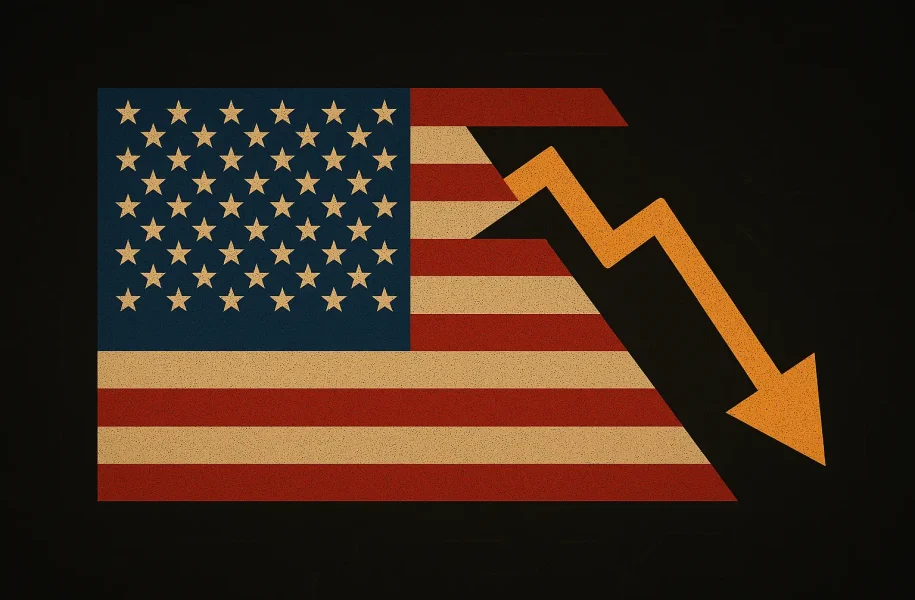
Washington is once again staring down the prospect of a partial government shutdown, with funding set to lapse just after midnight on Tuesday.
Unless lawmakers strike a deal, millions of Americans could soon feel the disruption in services ranging from student loans to food programs.
The drama is unfolding in a deeply polarized climate. President Donald Trump has spent much of the past year shrinking the federal workforce and slashing agency budgets, leaving this standoff charged with more tension than usual. Unlike previous administrations that scrambled to avoid shutdowns, Trump’s team has openly suggested that a funding lapse could help accelerate its downsizing agenda. On Polymarket, the chances of a government shutdown surged to 85%.
Why the Fight Erupted
At the center of the deadlock is healthcare. Democrats are demanding the extension of subsidies that keep insurance affordable for millions and the reversal of cuts to Medicaid, the CDC, and the NIH. Republicans, who hold both chambers of Congress but lack the 60 Senate votes required to move their bill, have refused to bend, betting that Democrats will shoulder the blame for blocking government funding.
Talks between Trump and congressional leaders have so far gone nowhere. A stopgap measure cleared the House, but the Senate remains deadlocked. Both sides appear more focused on energizing their political bases than on striking a compromise.
What Would Stay Open – and What Wouldn’t
If the impasse continues, essential services like border protection, law enforcement, air traffic control, and hospital care will remain in operation. Social Security and Medicare checks would still be delivered. But many other functions would grind to a halt.

National parks could close their gates, federally funded preschools might suspend operations, and food safety inspections would slow. Hundreds of thousands of federal employees labeled “non-essential” would be furloughed without pay, while others in critical roles would be asked to work temporarily for free. Previous shutdowns show that travel delays and broader economic fallout are likely if the stoppage drags on.
Different From Past Showdowns
Budget fights have been a staple of American politics for decades. Ronald Reagan presided over eight brief shutdowns, while more recent clashes in 1995, 2013, and 2018 stretched into weeks. Trump himself oversaw the longest in U.S. history – a 35-day stalemate in 2018 – 2019 tied to border wall funding, which shaved billions off the economy.
What makes the current standoff unique is the White House’s posture. Instead of warning about the costs of a shutdown, Trump officials appear willing – perhaps even eager – to use it as leverage for further shrinking the government payroll. That approach raises the stakes well beyond the usual partisan blame game.
What Comes Next
As the clock ticks, both parties are digging in. Democrats believe their focus on protecting healthcare programs will resonate with voters, while Republicans argue that Democrats are holding government operations hostage to push their agenda.
The outcome remains uncertain, but one thing is clear: if no agreement is reached before Wednesday morning, Americans will wake up to a government running at half speed – with everyday workers and families caught in the middle of Washington’s political fight.
The information provided in this article is for educational purposes only and does not constitute financial, investment, or trading advice. Coindoo.com does not endorse or recommend any specific investment strategy or cryptocurrency. Always conduct your own research and consult with a licensed financial advisor before making any investment decisions.



Alexander Zdravkov is a person who always looks for the logic behind things. He has more than 3 years of experience in the crypto space, where he skillfully identifies new trends in the world of digital currencies. Whether providing in-depth analysis or daily reports on all topics, his deep understanding and enthusiasm for what he does make him a valuable member of the team.