Trust Wallet Deploys AI Scanner After $8.5 Million Security Breach

Trust Wallet has rolled out an AI-driven Security Scanner across its mobile app and browser extension, a direct response to a damaging supply chain attack in December 2025 that drained roughly $8.5 million from more than 2,500 user wallets.
Key Takeaways
- Trust Wallet launched an AI Security Scanner that flags risky transactions in real-time before users sign them
- The feature follows a December 2025 breach that cost users $8.5 million across 2,500+ wallets
- In 2025, earlier scanner versions reportedly blocked over $162 million in potentially harmful transactions
- Experts warn AI-enhanced phishing and lack of native 2FA remain unresolved vulnerabilities
The incident traced back to a compromised extension update – version 2.68 – that slipped through browser store distribution channels without triggering user suspicion. It was the kind of attack security researchers have warned about for years: invisible, fast, and difficult to detect until the damage is done.
The new scanner is designed to intercept threats before a transaction is confirmed. It operates automatically in the background, requiring no manual setup, and checks smart contract activity in real-time against known threat patterns. Flagged transactions are sorted into three categories – red for high risk, yellow for medium, and green for safe – targeting honeypots, malicious dApp approval requests such as unlimited spend permissions, and suspicious destination addresses.
Trust Wallet says earlier iterations of the tool blocked over $162 million in potentially harmful transactions throughout 2025. The company now counts more than 200 million downloads globally and holds approximately 35% of the crypto wallet market by downloads, with around 17 million monthly active users as of early 2026.
Security analysts note that supply chain vulnerabilities – particularly silent updates pushed through official browser stores – remain one of the harder risks to mitigate because users extend implicit trust to official channels. The v2.68 compromise is a clear example of how that trust can be weaponized.

Looking ahead, researchers point to AI-enhanced phishing as the more pressing threat for 2026. Deepfake audio and video attacks are increasingly sophisticated and, unlike smart contract exploits, don’t necessarily leave a technical footprint that a scanner can catch before the damage is done.
User feedback on the scanner has been broadly positive, though criticism of Trust Wallet’s security posture hasn’t disappeared. A recurring complaint is the absence of native two-factor authentication – a gap that many argue leaves accounts exposed if a device is physically compromised, regardless of how strong the transaction-level protection becomes.
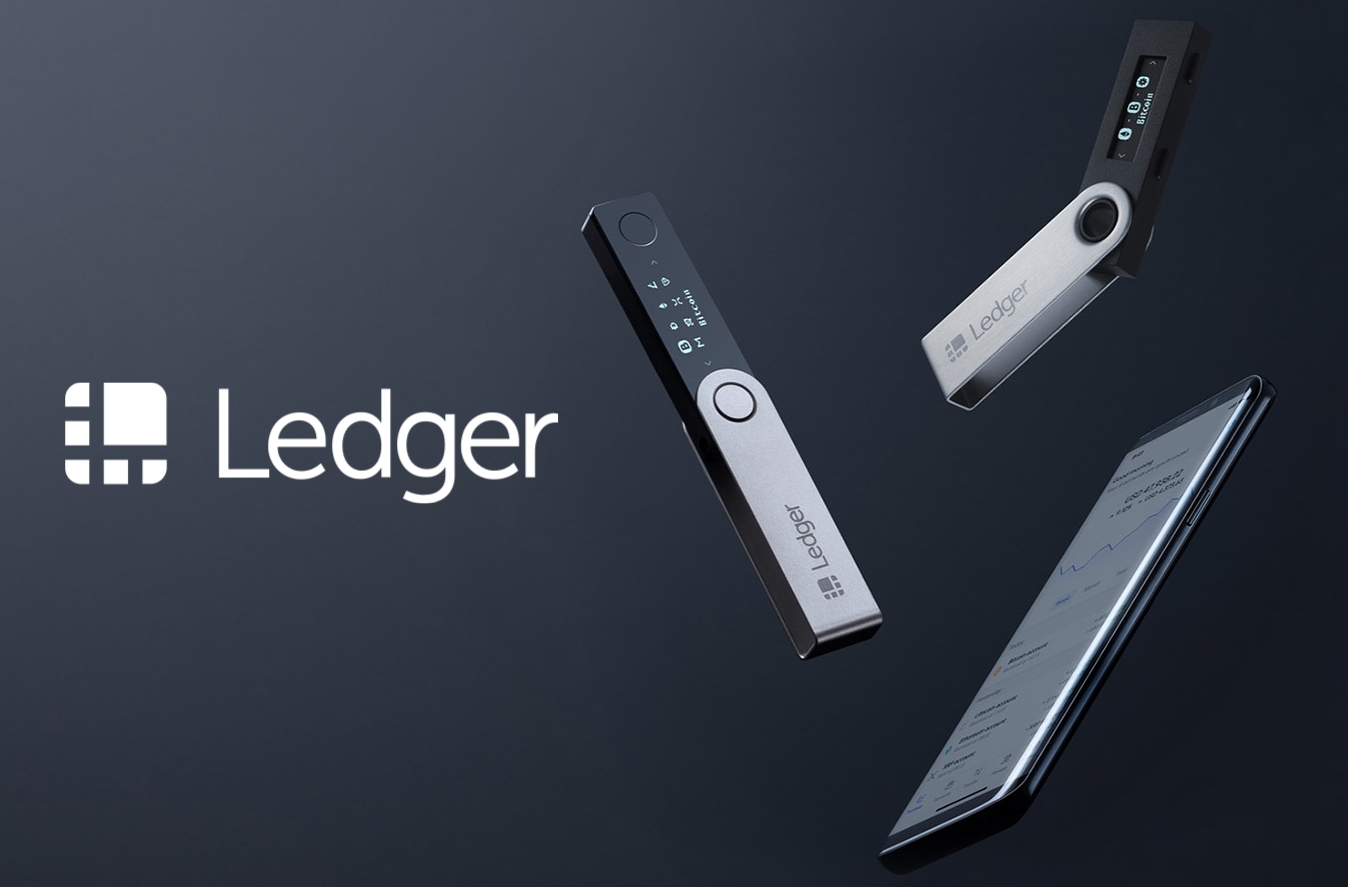
For users looking to reduce their exposure in the meantime, security practitioners recommend maintaining separate wallets for long-term holdings and active DeFi or NFT use, pairing high-value wallets with hardware devices such as Ledger, and periodically revoking unlimited spend approvals through Trust Wallet’s built-in allowance manager.
Trust Wallet has indicated plans to extend the platform’s capabilities with MEV protection and more advanced transaction analysis, signaling that the security scanner is a starting point rather than a final answer.
The information provided in this article is for educational purposes only and does not constitute financial, investment, or trading advice. Coindoo.com does not endorse or recommend any specific investment strategy or cryptocurrency. Always conduct your own research and consult with a licensed financial advisor before making any investment decisions.



Alex is Editor-in-Chief of Coindoo and co-founder of Millennial Media Group, with nearly a decade of experience covering financial markets - crypto first, then everything else. It started in 2016 with Bitcoin. Like most people at the time, he didn't fully understand it - so he kept digging. Blockchain, tokenomics, the projects, the cycles. That curiosity never stopped, and eventually pulled him into traditional markets too: equities, commodities, macro. Not because he left crypto behind, but because you can't properly understand one without the other. What drives him is straightforward: he wants to know why something is happening, not just that it's happening. Most market coverage stops at the headline - price up, price down, here's a chart. Alex finds that kind of reporting actively unhelpful. If you walk away from an article without understanding the mechanism behind the move, what did you actually learn? He holds a degree in Tourism from New Bulgarian University - not the most obvious path into financial markets, but markets have a way of pulling in people who are simply too curious to stay out. He has authored over 200 in-depth analyses and more than 10,000 articles across crypto and traditional finance. He still thinks every day in markets teaches him something new. That's probably why he hasn't stopped.