Russia Clears Exchanges for Crypto Trading From November 22
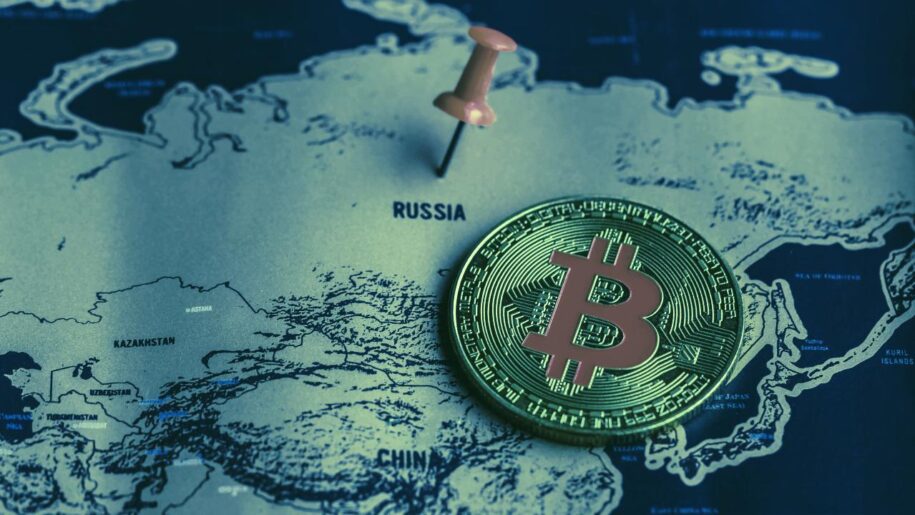
Russian exchanges gain the legal right to trade Bitcoin, Ether and USDT from November 22, but each must first clear its rulebook with the central bank.
Key Takeaways
- Bank of Russia has named no approved venue
- SPB Exchange has started test crypto trades
- Moscow Exchange targets December 1 pilot deals
- Retail buyers capped near $3,600 a year
The Bank of Russia published the trading requirements on November 11, and they take effect ten days later.
A Start Date Without a Named Venue
The ordinance, registered by the Justice Ministry on November 3, makes each exchange the record-keeper for its own crypto market. A venue must register every broker, trust manager and central counterparty that trades on it, log all orders and deals, and monitor transactions. It must also calculate four reference prices: current, weighted average, market and closing. Trading results go to the regulator through the same reporting procedure exchanges already use for other assets.
None of this switches on automatically. Each exchange needs the Bank of Russia to agree its trading rules before the first live deal, and the regulator has not said publicly which venues, if any, have received that agreement.
SPB Exchange gave the latest public update. Its head, Evgeny Serdyukov, said on November 18 that Bitcoin, Ether and USDT pairs are set up in the exchange’s test environment, where participants are already placing test deals. He added that SPB has sent its trading and clearing rules to the central bank for registration, Vedomosti reported.
Moscow Exchange has a firmer timetable. It first mentioned December 1 in early October, and senior managing director Boris Blokhin told Interfax the exchange would need no additional permits or licences to launch. The date was confirmed again on November 2, nine days before the central bank published the requirements.
How Moscow Exchange’s Market Is Built
According to the exchange’s November 2 launch notice, crypto will trade on its existing stock-market platform. Deals will clear through its National Clearing Centre, which acts as the counterparty to both sides of each trade. Clients can trade in the anonymous order book or arrange negotiated deals with a named counterparty. The first stage consists of pilot deals, and brokers connect as their own systems are ready.
Two settlement options are planned from the start: same-day (TOD) and next-day (TOM). Swap deals, which participants use to manage short-term liquidity, run alongside them. The exchange says it intends to add more Russian and international instruments to the initial three.
Trading runs from 06:50 to 23:50 Moscow time, the same as the stock market. Bitcoin trades around the clock on global venues, so any overnight move is reflected at once when the Moscow session opens.
The venue also has a limit that has nothing to do with Russian regulation. Moscow Exchange and the National Clearing Centre have been under US blocking sanctions since June 2024. That makes this a market for Russian brokers and their clients rather than a link to global crypto liquidity.
Who Can Buy, and How Much
Russian rules divide individual investors into two groups. Qualified investors are clients whom brokers have recognised as meeting thresholds for assets, income, experience or professional credentials. They face no purchase limit and can access any crypto asset. Everyone else counts as a non-qualified investor.
For non-qualified investors, the central bank’s approved list has been in force since November 17. It contains only Bitcoin, Ether and USDT, selected on market capitalisation, average daily trading volume and at least five years of price history on foreign platforms. Purchases are capped at 300,000 rubles a year through a single intermediary. At the central bank’s mid-November rate, that is about $3,600, or roughly €3,300.
The suitability test applies to everyone. Each buyer must pass it and review the risks before a deal, because the requirement attaches to the transaction rather than to the investor’s status.
Exchanges are also only one of several regulated routes. Non-qualified buyers can go through a broker, a trust manager or a licensed crypto exchange service provider, on an exchange or over the counter.
What the Launch Notice Leaves Out
Moscow Exchange’s notice covers instruments, settlement and hours. It does not cover the details a buyer would use to choose between brokers.
Commissions
Exchange and broker fees for crypto deals have not been published.
Wallet withdrawals
Not stated: whether coins bought on the exchange can be moved to a personal wallet.
Pilot brokers
The brokers joining the first stage have not been named.
Coindoo’s look at Moscow Exchange’s custody plans covers who holds the coins once a trade settles.
The next fixed date is December 1. Before then, the key step is a Bank of Russia confirmation that it has agreed an exchange’s rules, because without it neither venue can move from test deals to live trading.



Kosta has reported on cryptocurrency markets and blockchain infrastructure since 2020, bringing over six years of hands-on experience in the crypto industry built through daily tracking of markets, trends, and emerging blockchain developments. Specializing in Bitcoin on-chain analysis, institutional ETF flows, and digital asset price action, his work at Coindoo has been cited by other news agencies and consistently covers market developments with a focus on data-driven reporting across Bitcoin, Ethereum, Solana, and XRP. Over the years, Kosta has contributed to multiple crypto media outlets in different regions, authoring over 6,000 articles across the sector. His reporting spans cryptocurrency markets and the broader fintech industry, tracking not only price action but also the technological and regulatory forces shaping the ecosystem. To support his analysis, Kosta actively leverages on-chain data and metrics from leading platforms such as Santiment, Glassnode, and CryptoQuant, enabling deeper, evidence-based market insights. He believes in the power of transparency and the data that underpins the blockchain ecosystem. His academic background in Marketing Management from Denmark further complements his analytical approach, adding a strong understanding of communication strategy and content positioning to his work.