New Bill Orders Treasury to Map Out U.S. Bitcoin Reserve

The United States is taking another step toward formalizing its role as a sovereign Bitcoin holder.
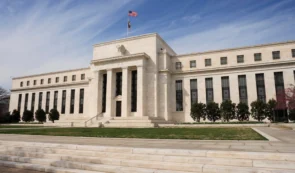
A new appropriations bill introduced in Congress would require the Treasury Department to deliver a detailed blueprint on how to establish and manage the Strategic Bitcoin Reserve ordered earlier this year by President Donald Trump.
Congressional Mandate for the Treasury
The proposal, led by Rep. David P. Joyce, directs the Treasury to examine custody, cybersecurity, legal authority, and accounting treatment for any Bitcoin and digital assets it manages. Lawmakers also want a plan for interagency coordination and a list of outside firms that might be tapped for storage. The department would have 90 days to respond once the bill becomes law.
While Trump’s March executive order launched the reserve concept, this measure represents the first attempt to give it congressional weight. Treasury Secretary Scott Bessent has already signaled interest in building the reserve through “budget-neutral” means, including repurposing seized crypto assets.
Framing the Reserve as National Security
Supporters argue that building a Bitcoin reserve is not only a financial hedge but also a matter of national security. Joyce praised the bill’s advancement, saying it ensures the government can “leverage new technology” while protecting fiscal stability. The legislation still needs approval from the full House and Senate before it becomes binding.
Part of a Global Race
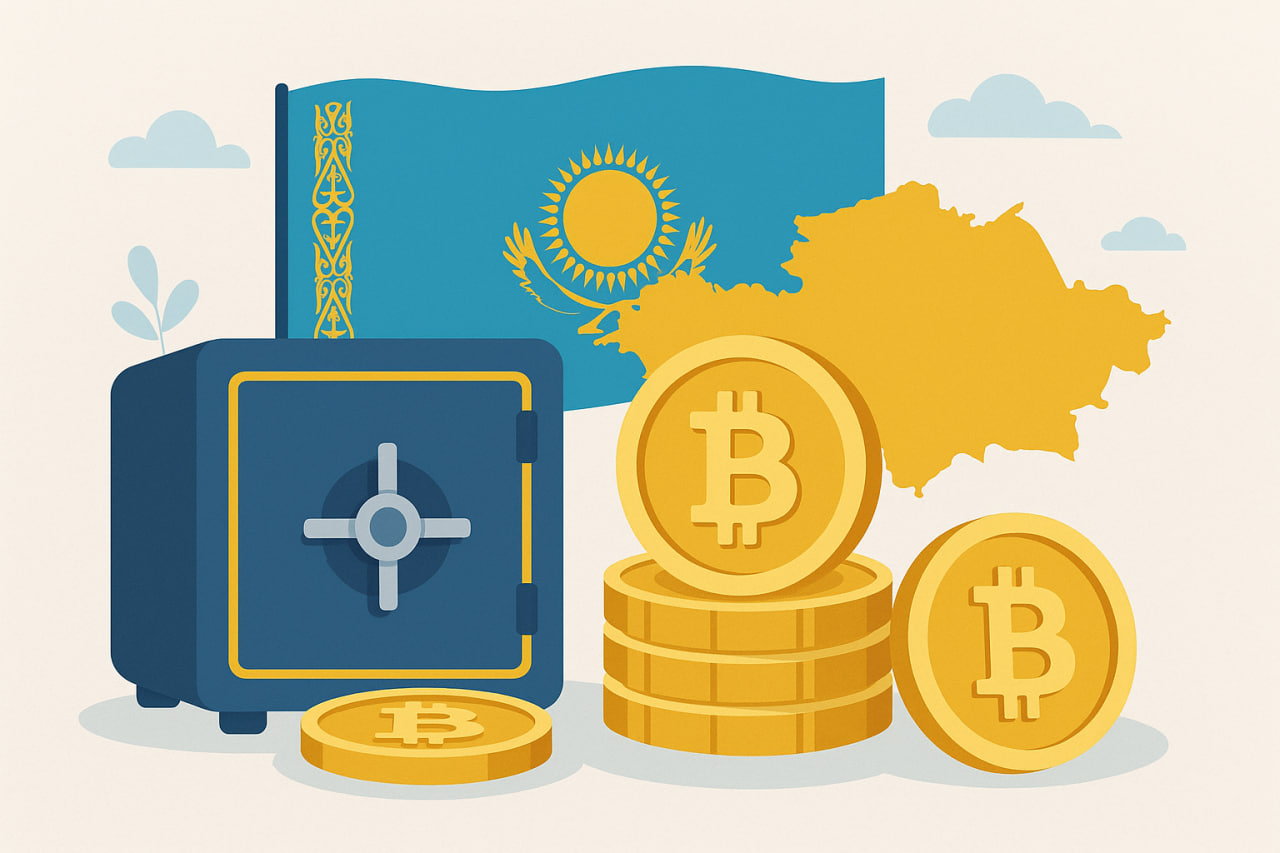
The U.S. is not alone in exploring the idea. Kazakhstan recently floated plans for a state-backed digital asset fund, while lawmakers in the Philippines are considering a strategic purchase of 10,000 BTC. If adopted, that would make the Philippines the first Southeast Asian nation to treat Bitcoin as a sovereign reserve.
Governments already collectively hold more than 517,000 BTC — nearly 2.5% of supply — according to industry data. With the world’s largest economy now weighing its own framework, the competition over who controls strategic Bitcoin reserves appears to be entering a new phase.
The information provided in this article is for informational purposes only and does not constitute financial, investment, or trading advice. Coindoo.com does not endorse or recommend any specific investment strategy or cryptocurrency. Always conduct your own research and consult with a licensed financial advisor before making any investment decisions.



Alexander Zdravkov is a market analyst and crypto journalist with interests in economics, broader financial markets and digital assets. His journey into crypto began more than four years ago, driven by a fascination with the rapid evolution of blockchain technology and the transformative potential of decentralized finance. He began analyzing market cycles and identifying emerging trends before they reach the mainstream. He holds a degree in International Relations - a background that helped shape his broader perspective on global economics, geopolitics, and the interconnected nature of modern financial markets. Whether covering the latest developments in the crypto sector or exploring broader macroeconomic themes, Alexander focuses on giving readers context rather than simply repeating headlines. During his career, he has authored more than 10,000 articles covering cryptocurrencies, traditional finance, and global market developments. His work spans everything from Bitcoin and altcoins to macroeconomic trends influencing risk assets worldwide.