Kazakhstan’s Central Bank Moves $350 Million Into Crypto-Linked Assets
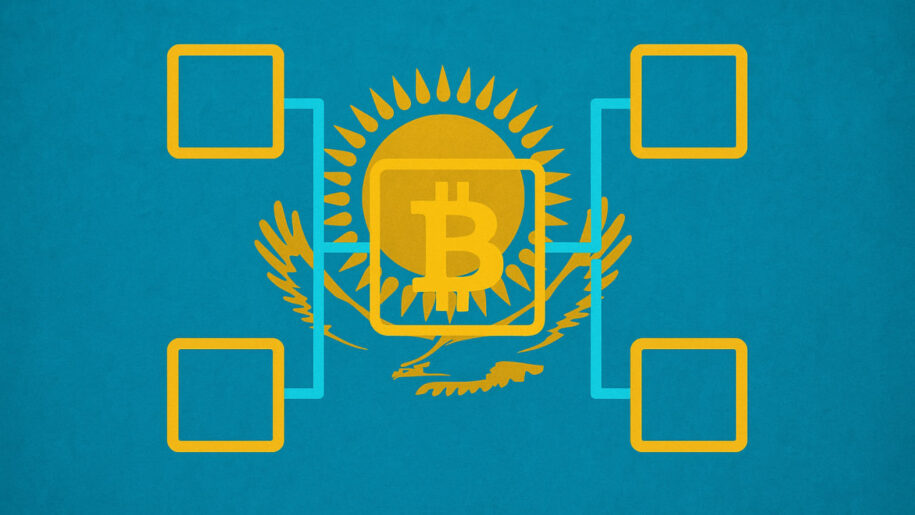
Kazakhstan's National Bank has carved out a portfolio of up to $350 million from its gold and foreign exchange reserves - now totaling $69.4 billion - for investment in cryptocurrency-linked instruments.
Key Takeaways
- Kazakhstan’s central bank has allocated up to $350M from national reserves to invest in crypto-linked assets
- Investments target ETFs, tech stocks, and hedge funds – not direct crypto purchases
- First capital deployment is expected in April or May 2026
- Kazakhstan is also building a separate national crypto reserve worth up to $1 billion
The move, formalized in March 2026, marks one of the most significant steps by a Central Asian sovereign institution toward digital asset exposure.
No Direct Crypto Purchases
The bank isn’t buying Bitcoin outright. Instead, the strategy leans on indirect exposure: shares in high-tech companies tied to crypto infrastructure, ETFs and index funds tracking digital asset performance, and positions through roughly five shortlisted hedge funds and venture capital vehicles. First deployments are penciled in for April or May 2026.
Governor Timur Suleimenov has been measured in his public framing of the initiative. The bank, he has indicated, will not rush capital into markets still settling from periods of sharp volatility. Risk management models are being recalibrated before full deployment – a telling sign that institutional caution hasn’t been entirely abandoned, even as the ambitions grow bolder.
The $350 million figure itself has already crept upward, from an initial estimate of around $300 million floated in late 2025. And that’s just the investment portfolio. Separately, Kazakhstan is building what it describes as a national crypto reserve – a broader stockpile valued between $500 million and $1 billion.
That reserve will pull from multiple sources, including digital assets seized from illegal exchanges (over $5 million already confiscated) and tax receipts from state-authorized crypto mining operations. Supporting this infrastructure, a state-controlled national custodial service built on the Central Depository is set to go live by May 2026.
Gold Still in the Picture
The pivot toward digital assets hasn’t displaced Kazakhstan’s longstanding appetite for gold. The country purchased 57 tons of the metal in 2025, ranking second globally behind Poland – a hedge the bank continues to treat as essential against geopolitical risk. The digital push runs parallel to, not in place of, that conventional strategy.
Kazakhstan is also in the midst of rolling out a central bank digital currency. The Digital Tenge’s full industrial-grade platform was targeted for launch in late 2025 or early 2026, layering yet another digital financial instrument onto an increasingly complex monetary architecture.
Analysts watching the region have noted that few, if any, Central Asian governments have moved this far this fast on state-level crypto integration. Whether the NBK’s calibrated approach holds once markets stabilize – and whether the broader reserve targets are met – remains to be seen.
The information provided in this article is for educational purposes only and does not constitute financial, investment, or trading advice. Coindoo.com does not endorse or recommend any specific investment strategy or cryptocurrency. Always conduct your own research and consult with a licensed financial advisor before making any investment decisions.



Alex is Editor-in-Chief of Coindoo and co-founder of Millennial Media Group, with nearly a decade of experience covering financial markets - crypto first, then everything else. It started in 2016 with Bitcoin. Like most people at the time, he didn't fully understand it - so he kept digging. Blockchain, tokenomics, the projects, the cycles. That curiosity never stopped, and eventually pulled him into traditional markets too: equities, commodities, macro. Not because he left crypto behind, but because you can't properly understand one without the other. What drives him is straightforward: he wants to know why something is happening, not just that it's happening. Most market coverage stops at the headline - price up, price down, here's a chart. Alex finds that kind of reporting actively unhelpful. If you walk away from an article without understanding the mechanism behind the move, what did you actually learn? He holds a degree in Tourism from New Bulgarian University - not the most obvious path into financial markets, but markets have a way of pulling in people who are simply too curious to stay out. He has authored over 200 in-depth analyses and more than 10,000 articles across crypto and traditional finance. He still thinks every day in markets teaches him something new. That's probably why he hasn't stopped.