ECB President Says MiCA Protects Europe but Flags Stablecoin Reserve Risks
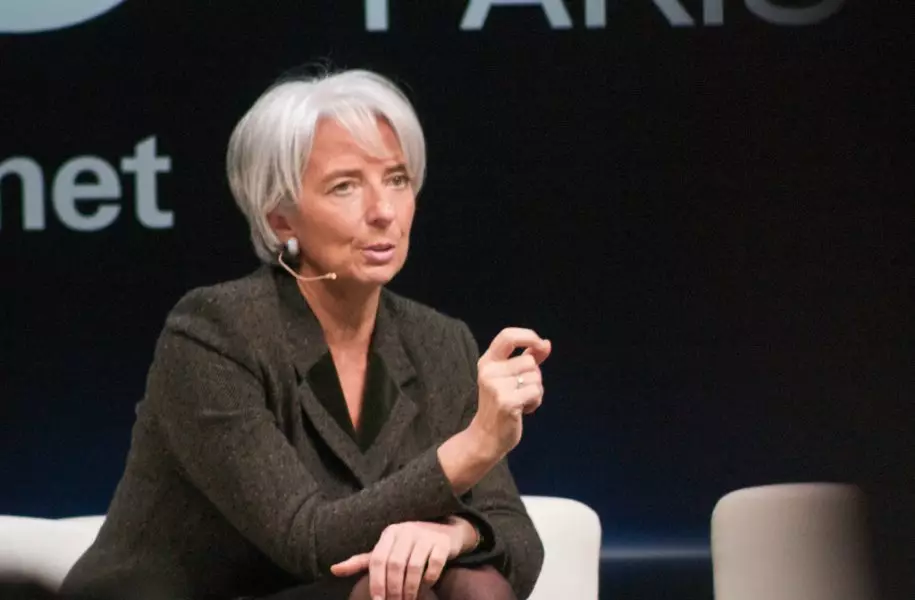
European Central Bank President Christine Lagarde addressed the media following the ECB’s latest interest rate decision, using the opportunity to clarify the institution’s stance on financial stability, digital payments, and the growing role of stablecoins in Europe’s economy.
Lagarde emphasized that the ECB does not see itself as a “role model” for markets, but rather as an anchor of stability for the European financial system.
- Lagarde says the ECB’s role is to act as a stabilizing force, not a market role model
- The digital euro is still under review and must be simple, affordable, private, and usable offline
- Final decisions on the digital euro now rest with EU lawmakers
She stressed that maintaining confidence and resilience remains the central bank’s primary responsibility as new forms of money and payment technologies continue to emerge.
Digital Euro Still Under Review
Turning to the digital euro, Lagarde underlined that the project remains a work in progress and is still being evaluated. She explained that any eventual digital euro must be practical and widely accessible, rather than complex or expensive to use.
According to Lagarde, the ECB envisions a digital euro that is fast, efficient, and respectful of user privacy, while also being capable of functioning both online and offline. Cost efficiency was highlighted as a key requirement, alongside ease of use for everyday transactions.
She also noted that the future of the digital euro is no longer solely in the hands of the ECB. The next steps now depend on discussions and decisions by European lawmakers, with both the European Council and Parliament playing a decisive role in whether and how the project moves forward.
Stablecoins and Monetary Sovereignty
Lagarde was also asked whether the rapid growth of stablecoins poses a risk to Europe’s monetary sovereignty. In response, she pointed to the European Union’s Markets in Crypto-Assets (MiCA) framework, describing it as a major advantage for the bloc.

She said MiCA allows regulators to supervise stablecoins effectively and ensures that compliant instruments can operate within clear rules. In that context, stablecoins that meet MiCA requirements can serve as legitimate payment alternatives and may even offer certain benefits for users and markets.
However, Lagarde drew a clear line when it comes to risks linked to issuance and reserve backing. Her main concern centers on the fact that stablecoin issuance could expose European reserves to foreign currencies, depending on how and where those assets are backed.
This exposure, she warned, could become a vulnerability under the MiCA framework if not carefully monitored. Lagarde stressed that regulators must remain highly vigilant, particularly when stablecoin structures could lead to capital outflows or unintended currency dependence.
She concluded by saying that while innovation in payments is welcome, authorities need to remain extremely attentive to potential risks, ensuring that financial stability and monetary sovereignty are not compromised as the market evolves.
The information provided in this article is for educational purposes only and does not constitute financial, investment, or trading advice. Coindoo.com does not endorse or recommend any specific investment strategy or cryptocurrency. Always conduct your own research and consult with a licensed financial advisor before making any investment decisions.



Alex is Editor-in-Chief of Coindoo and co-founder of Millennial Media Group, with nearly a decade of experience covering financial markets - crypto first, then everything else. It started in 2016 with Bitcoin. Like most people at the time, he didn't fully understand it - so he kept digging. Blockchain, tokenomics, the projects, the cycles. That curiosity never stopped, and eventually pulled him into traditional markets too: equities, commodities, macro. Not because he left crypto behind, but because you can't properly understand one without the other. What drives him is straightforward: he wants to know why something is happening, not just that it's happening. Most market coverage stops at the headline - price up, price down, here's a chart. Alex finds that kind of reporting actively unhelpful. If you walk away from an article without understanding the mechanism behind the move, what did you actually learn? He holds a degree in Tourism from New Bulgarian University - not the most obvious path into financial markets, but markets have a way of pulling in people who are simply too curious to stay out. He has authored over 200 in-depth analyses and more than 10,000 articles across crypto and traditional finance. He still thinks every day in markets teaches him something new. That's probably why he hasn't stopped.