DeFi Education Fund Urges SEC to Establish Token Safe Harbor Framework

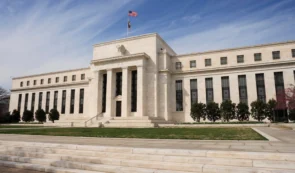
The DeFi Education Fund (DEF) has formally urged the U.S. Securities and Exchange Commission (SEC) to adopt a "token safe harbor" framework that would provide time-limited regulatory relief for token projects aiming to achieve decentralization.
In a letter submitted to the SEC on April 18, DEF outlined five core principles for crafting a balanced approach that encourages innovation while maintaining essential oversight.
The initiative seeks to offer a structured, temporary exemption that allows projects to develop toward decentralization without being prematurely classified as securities—a status that often triggers complex regulatory burdens.
Call for Technology-Agnostic, Inclusive Regulation
One of DEF’s central recommendations is for the SEC to adopt a technology-agnostic stance. Rather than designing rules around specific blockchain architectures or consensus mechanisms, the framework should focus on the risk profile of activities. The letter warned that favoring certain technologies could stifle innovation and limit future flexibility.
DEF also emphasized the need for broad eligibility, stating that the safe harbor should extend beyond newly launched tokens. Already-distributed tokens that are still progressing toward decentralization goals should also be eligible, ensuring that early-stage projects aren’t excluded from future compliance opportunities simply due to timing.

Balanced Disclosure, Streamlined Compliance
On the issue of transparency, DEF proposed a set of disclosure requirements tailored to the realities of early-stage teams. These would include:
- Open-source code access
- Tokenomics and governance details
- Insider holdings and team activity
- Cybersecurity audits
- Development milestones and roadmaps
DEF also called for ongoing disclosures during the safe harbor period and proposed leveraging API integrations and blockchain automation to streamline compliance reporting. To reinforce the path toward decentralization, the group suggested lock-up periods for insiders, aligning incentives with long-term project goals.
A Proactive Path While Broader Legislation Lags
With comprehensive crypto legislation still pending in Congress, the DEF believes a token safe harbor could act as a bridge solution—providing regulatory clarity without halting innovation. The organization’s proposal aims to equip the SEC with a flexible, principles-based model that supports compliant growth in the DeFi ecosystem.



Kosta has reported on cryptocurrency markets and blockchain infrastructure since 2020, bringing over six years of hands-on experience in the crypto industry built through daily tracking of markets, trends, and emerging blockchain developments. Specializing in Bitcoin on-chain analysis, institutional ETF flows, and digital asset price action, his work at Coindoo has been cited by other news agencies and consistently covers market developments with a focus on data-driven reporting across Bitcoin, Ethereum, Solana, and XRP. Over the years, Kosta has contributed to multiple crypto media outlets in different regions, authoring over 6,000 articles across the sector. His reporting spans cryptocurrency markets and the broader fintech industry, tracking not only price action but also the technological and regulatory forces shaping the ecosystem. To support his analysis, Kosta actively leverages on-chain data and metrics from leading platforms such as Santiment, Glassnode, and CryptoQuant, enabling deeper, evidence-based market insights. He believes in the power of transparency and the data that underpins the blockchain ecosystem. His academic background in Marketing Management from Denmark further complements his analytical approach, adding a strong understanding of communication strategy and content positioning to his work.