Crime Gangs Turn to Private Vaults for Cash and Crypto Keys

Irish crime groups are reportedly using private vaults to conceal cash, crypto wallet credentials and luxury goods, bringing a physical-custody problem into cryptocurrency investigations.
Key Takeaways
- Vaults contain credentials, not cryptocurrency itself.
- Rental records require supporting ownership evidence.
- Wallet identification does not guarantee access.
- Ireland is considering crypto-specific seizure powers.
- Private vault use remains lawful.
A private box can contain the route to a crypto wallet
Recent Irish reporting, citing the Criminal Assets Bureau, says organised crime groups are increasingly renting private vaults to store cash, cryptocurrency access credentials, luxury watches and high-value handbags.
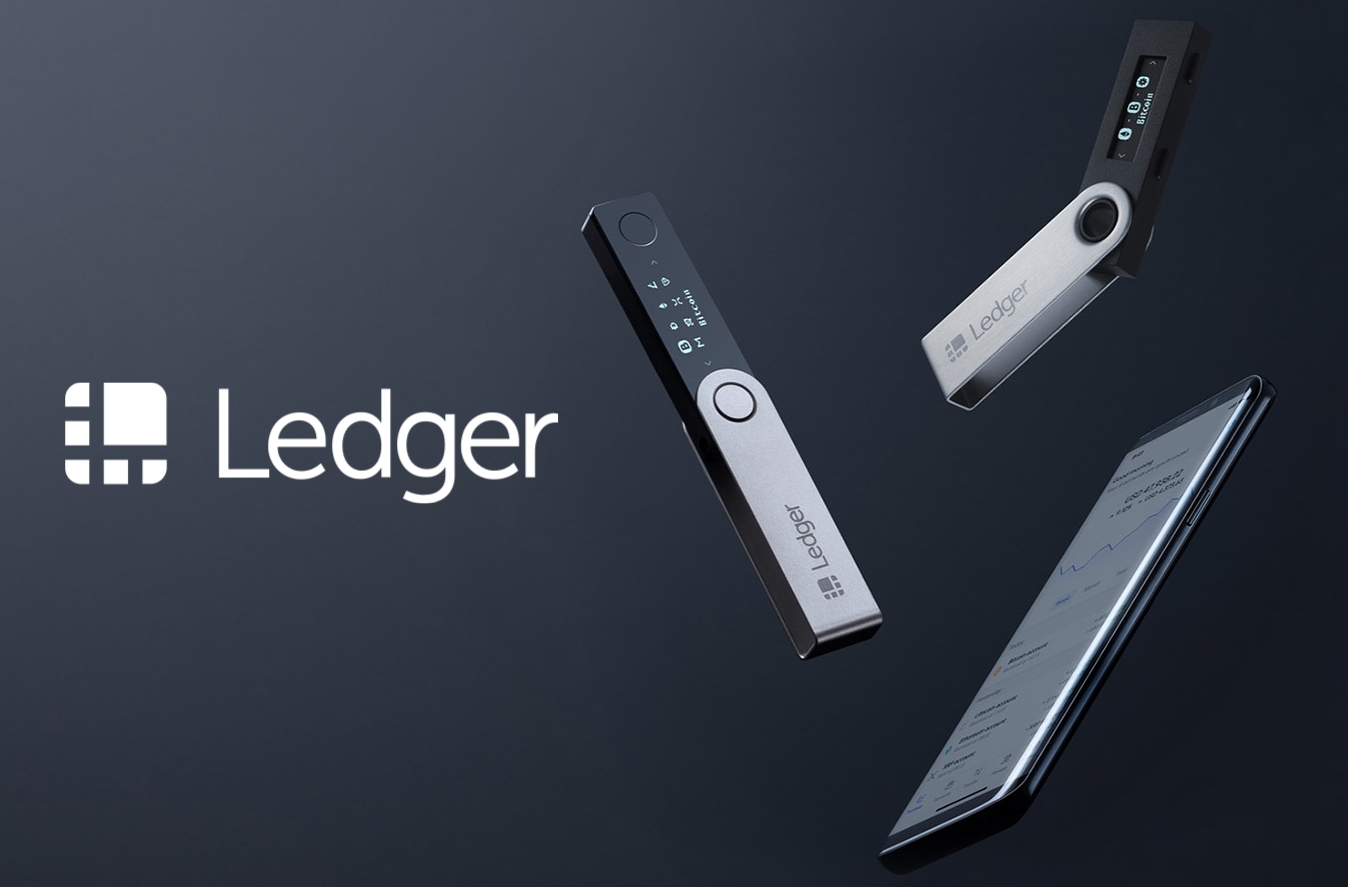
The crypto element requires an important distinction. Bitcoin and other digital assets remain recorded on their blockchains. What can be placed inside a vault is a hardware wallet, recovery phrase, private-key backup or another item needed to authorise transactions.
A commonly used 12- or 24-word recovery phrase may restore an entire wallet. The value it controls bears no relationship to the physical size of the paper, metal backup or storage device on which it is recorded. Additional protection, such as a passphrase or a multisignature arrangement, may mean that one recovered item is not enough to move the funds.
For investigators, finding a credential begins three separate inquiries: which addresses it controls, who operated those addresses and whether the cryptocurrency can be linked to criminal activity.
Hiding an asset is not the same as proving it was laundered
Cash, watches and designer goods can preserve substantial value outside a bank account and can be transferred without changing ownership records in the way a house or registered vehicle would. Crypto credentials perform a different function: they provide control over assets held elsewhere on a public ledger.
Placing any of those items in a vault may conceal them from investigators, but the location alone does not establish money laundering. CAB would still need evidence connecting the property to criminal proceeds or showing that it formed part of an arrangement intended to disguise ownership, origin or control.
Private vaults also have legitimate uses, including the protection of documents, jewellery and wallet backups. Neither renting a box nor storing cryptocurrency credentials in one is evidence of criminal conduct.
Rental records provide a starting point
The Central Bank of Ireland operates a central register through which authorised authorities can identify holders and beneficial owners of bank and payment accounts and safe-deposit boxes held by credit institutions.
The register can reveal that a relationship exists, but it does not show what a box contains. Records held by a private facility, where available, may establish who rented or entered a box. Investigators would still need to connect that person to the property inside rather than treating access as proof of ownership.
That evidentiary step is especially important for cryptocurrency. A wallet address contains no name, while a recovery phrase may restore addresses that have never interacted directly with an account carrying verified customer information. Blockchain analysis can follow the funds, but identifying the person who controlled them usually requires evidence from outside the blockchain.
CAB has already confronted the wallet-access problem
Ireland’s authorities encountered that technical barrier during a separate cryptocurrency seizure in March 2026. CAB and Europol gained access to a wallet containing 500 BTC, valued at approximately €30 million at the time.
According to the official Garda announcement, Europol provided “highly complex technical expertise and decryption resources” that were vital to the operation. The statement does not disclose the method used, but it confirms that locating a wallet and gaining effective control of it can require different investigative capabilities.
Once accessible, cryptocurrency can be transferred to an address controlled by the authorities. Without the required credentials, however, knowing the wallet’s balance and transaction history may not be enough to secure the coins.

Ireland is developing powers for crypto seizures
The Proceeds of Crime and Related Matters Bill 2025 is intended to strengthen CAB’s ability to freeze and recover suspected criminal assets. During the bill’s Seanad second-stage debate on April 15, 2026, Justice Minister Jim O’Callaghan said he planned to introduce further amendments specifically targeting crypto assets.
A separate April announcement said the proposed changes would include payment-freezing measures designed for cryptocurrency, expanded search and seizure powers and access orders intended to compel disclosure of the credentials needed to obtain control.
Those measures should not be described as existing CAB powers until the amendments complete the legislative process. Their intended purpose is nevertheless relevant to the reported vault practice: possession of a hardware wallet or encrypted backup may leave investigators without the PIN, passphrase or additional signature needed to transfer the assets.
An access order would address the missing information, although it could not guarantee a usable answer. One credential may restore only part of a multisignature wallet, while a recovery phrase protected by an additional passphrase can lead to a different set of addresses depending on the words entered.
Legitimate holders use similar arrangements to prevent one stolen device or compromised location from exposing their entire balance. Coindoo’s guide to protecting crypto against physical threats explains why distributing keys and backups can reduce theft risk. The same separation can make lawful recovery more technically demanding.
Opening the box is only the beginning
If authorities obtain usable credentials, the cryptocurrency must still be transferred into secure custody without exposing those credentials to unnecessary personnel. Investigators must preserve the wallet’s transaction history, document the transfer and maintain evidence connecting the addresses to the person and conduct under investigation.
The reported use of private vaults therefore gives CAB a location to examine, not a complete crypto case. Recovery ultimately depends on whether investigators can connect the renter, the physical credential and the onchain funds with evidence strong enough to support seizure.
The private-vault trend has been attributed to CAB in Irish media reporting. The published CAB annual report does not contain the specific claim, and lawful use of a private vault does not imply criminal activity.



Alexander Zdravkov is a market analyst and crypto journalist with interests in economics, broader financial markets and digital assets. His journey into crypto began more than four years ago, driven by a fascination with the rapid evolution of blockchain technology and the transformative potential of decentralized finance. He began analyzing market cycles and identifying emerging trends before they reach the mainstream. He holds a degree in International Relations - a background that helped shape his broader perspective on global economics, geopolitics, and the interconnected nature of modern financial markets. Whether covering the latest developments in the crypto sector or exploring broader macroeconomic themes, Alexander focuses on giving readers context rather than simply repeating headlines. During his career, he has authored more than 5,000 articles covering cryptocurrencies, traditional finance, and global market developments. His work spans everything from Bitcoin and altcoins to macroeconomic trends influencing risk assets worldwide.