CFTC Pushes for Crypto Backup Plan if CLARITY Act Fails
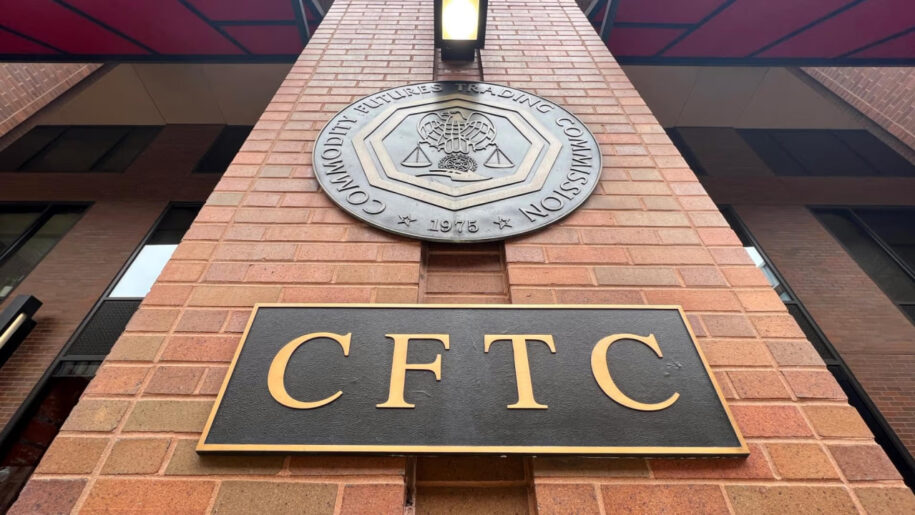
With the CLARITY Act stuck in congressional limbo, CFTC Chair Michael Selig is drawing up a Plan B.
In August 20 remarks, Selig directed agency staff to explore a regulatory fallback for digital asset markets using existing statutory powers. His framework would let certain crypto exchanges apply for designation as CFTC-regulated “crypto asset markets” dedicated to leveraged or margined trading.
The move injects a federal agency blueprint directly into the policy debate while the Senate struggles to move its overarching market-structure package. It falls well short of creating a new rule, approving any exchange, or handing the CFTC the broad spot-market authority that the CLARITY Act is meant to provide.
Selig orders prep work, not a finalized rulebook
Selig made it clear that Congress remains the preferred avenue, noting that the CLARITY Act could cleanly establish the dividing line between the SEC and the CFTC alongside core industry standards.
Should the bill continue to stall, however, the CFTC intends to lean on its current statutory toolkit. Selig blamed “Democratic obstruction” for the delay, a swipe reflecting his political stance rather than a consensus on the Senate impasse.
For compliance teams, the immediate takeaway is straightforward: the agency is exploring what it can build independently. But the operative word is exploring. The speech contains zero proposed rule text, timelines, application guidelines, or lists of eligible platforms.
What a CFTC “crypto asset market” could cover
Selig’s blueprint would allow both current registrants and unregistered crypto exchanges to seek designation as a specialized form of Designated Contract Market (DCM), the traditional term for a CFTC-regulated trading hub. Crucially, this pathway focuses strictly on leveraged and margined derivatives trading under federal oversight.
That scope matters. The speech outlines a route for specific risk-bearing venues rather than establishing a blanket federal framework for every cash-market crypto transaction in the country.
What has not changed for exchanges
- No platform has received the proposed designation.
- No formal rule has entered the public comment period.
- No compliance deadlines are on the calendar.
- No statutory division of power with the SEC has actually passed.
Those missing pieces will dictate whether the proposal proves genuinely useful or simply serves as a pressure tactic in the ongoing CLARITY debate. Any actual rule must answer thorny operational questions: which products qualify, what customer protections apply, how custody and surveillance are handled, and whether existing exchange tech can comply.
The fallback cannot solve the jurisdiction puzzle
The core value of the CLARITY Act isn’t just telling agencies to draft more regulations—it answers the foundational question of who regulates what.
An administrative rule clarifies how the CFTC intends to wield its existing authority, but it cannot invent a brand-new congressional mandate equivalent to active legislation. That leaves the SEC-CFTC border, and the oversight of spot markets, tethered to legacy laws and vulnerable to future administrative interpretations.
That vulnerability is amplified by current agency math. The CFTC commissioners page lists Selig as its sole sitting member at the time of writing, despite the agency being structured as a five-person commission. As our team has noted, a steep staffing gap could easily undermine the long-term durability of any solo-driven crypto rule.
While an agency-crafted rule would carry weight, it would be far easier for a subsequent administration to unwind than a statute passed by Congress, and it would immediately invite legal challenges over regulatory overreach.

Developers receive a preliminary signal
Selig also instructed staff to open a dialogue with decentralized finance (DeFi) protocol developers regarding legal and compliant onchain operations. It’s a constructive policy nod to the sector, but it does not constitute a safe harbor, a formal exemption, or a compliance guarantee.
Builders should watch closely to see how those discussions materialize. Informal chats will merely signal agency priorities, whereas formal guidance would reveal actual legal liabilities. Until then, a speech changes nothing about a protocol’s current regulatory standing.
What to watch next
The CFTC’s announcement provides the market with a concrete checklist to monitor:
- A published proposal: This will expose the legal foundation, scope, and industry costs of the fallback.
- DCM standards: Exchanges will need to see whether the agency adapts legacy rules or builds a bespoke framework.
- Inter-agency coordination: Selig pointed to ongoing collaboration with the SEC via Project Crypto on a token taxonomy.
- Congressional movement: A Senate vote and finalized text remain the ultimate deciders of whether a temporary agency fallback is needed at all.
Selig’s directive is a warning shot to Capitol Hill, not an immediate green light for exchanges. Until actual proposal text hits the register, compliance departments can safely stay on standby.



Kosta has reported on cryptocurrency markets and blockchain infrastructure since 2020, bringing over six years of hands-on experience in the crypto industry built through daily tracking of markets, trends, and emerging blockchain developments. Specializing in Bitcoin on-chain analysis, institutional ETF flows, and digital asset price action, his work at Coindoo has been cited by other news agencies and consistently covers market developments with a focus on data-driven reporting across Bitcoin, Ethereum, Solana, and XRP. Over the years, Kosta has contributed to multiple crypto media outlets in different regions, authoring over 6,000 articles across the sector. His reporting spans cryptocurrency markets and the broader fintech industry, tracking not only price action but also the technological and regulatory forces shaping the ecosystem. To support his analysis, Kosta actively leverages on-chain data and metrics from leading platforms such as Santiment, Glassnode, and CryptoQuant, enabling deeper, evidence-based market insights. He believes in the power of transparency and the data that underpins the blockchain ecosystem. His academic background in Marketing Management from Denmark further complements his analytical approach, adding a strong understanding of communication strategy and content positioning to his work.