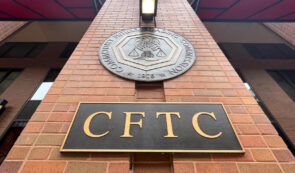
CFTC Chairman Michael Selig is turning up the pressure on the Senate to advance the Digital Asset Market Clarity Act - legislation he argues is essential to ending what he calls years of "regulation by enforcement" and positioning the United States as a global leader in digital asset markets.
The battle over U.S. crypto legislation has entered a decisive phase. Ripple CEO Brad Garlinghouse took to X on March 3, 2026, to declare that the Digital Asset Market CLARITY Act is fundamentally about protecting American consumers - not the industry - and warned that Washington's patience with delay is running out.
President Donald Trump took to Truth Social with a pointed accusation: the U.S. banking industry, sitting on record profits, is actively working to torpedo his administration's cryptocurrency agenda.
The CFTC is pushing to bring a multi-trillion-dollar derivatives market back onshore — and it's giving itself roughly a month to do it.
A draft bill submitted to Turkey’s Grand National Assembly proposes sweeping changes to the taxation of digital assets, introducing a 10% withholding tax on crypto profits and a separate transaction levy.
South Korea is preparing a sweeping reform of how public institutions manage confiscated cryptocurrencies, after a string of security failures exposed serious weaknesses in state custody practices.
Negotiations surrounding the Digital Asset Market Clarity Act - widely known as the CLARITY Act - remain active but increasingly strained, as lawmakers struggle to bridge a widening divide between the crypto industry and traditional banking groups.
A quiet but consequential regulatory shift happened on February 27, 2026. The Office of the Comptroller of the Currency finalized a rule change that reshapes what national trust banks are actually allowed to do — and the crypto industry is paying close attention.
Minnesota lawmakers are weighing what would be one of the most sweeping crackdowns on cryptocurrency infrastructure in the country - a full statewide ban on Bitcoin ATMs, driven by a growing wave of scams targeting the state's most vulnerable residents.
A bipartisan group of lawmakers in Washington has introduced new legislation aimed at drawing a clearer line between criminal activity and software development in the blockchain sector.
A rebound in U.S. crypto markets may hinge less on price charts and more on Capitol Hill.
Instead of encouraging a free-for-all of tech-branded tokens, U.S. regulators are now signaling that stablecoins must look and behave far more like tightly supervised banking products.