Russia’s new cryptocurrency-market framework is now active, but its September 1 start does not mean regulated exchanges, custody services and controls arrived nationwide at once.

Russia’s new cryptocurrency-market framework is now active, but its September 1 start does not mean regulated exchanges, custody services and controls arrived nationwide at once.
HMRC’s first dedicated cryptoasset figures identified 240 people who reported capital gains above £1 million during the 2024–2025 tax year. They accounted for £717 million of the £1.38 billion reported by 17,600 individuals.

The U.S. has expanded its ability to target businesses connected to Iran’s digital-asset economy. The move gives OFAC a route to pursue the overseas services that can turn crypto into usable payments, liquidity, and trade settlement.

Japan has granted its first new crypto-asset exchange registration since 2022, but the milestone comes with a distinct twist: Nomura’s digital asset arm is not rolling out a retail trading app or a consumer-facing exchange.

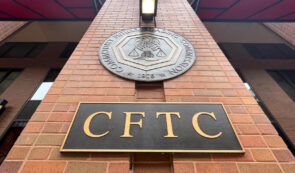
With the CLARITY Act stuck in congressional limbo, CFTC Chair Michael Selig is drawing up a Plan B.
A token can be sold without having a clear route through the rest of the financial system but it buyer may still face unanswered questions about custody, trading venues, ownership records and settlement.

The U.S. Treasury Department has proposed rules that would define when a payment stablecoin is considered issued, offered or sold in the United States.

Austria’s Financial Market Authority (FMA) has fined Bitpanda GmbH €70,000 for breaches of the EU’s Markets in Crypto-Assets Regulation, known as MiCA.

European crypto investors face a Europe-heavy calendar this week. Final eurozone inflation, flash business surveys and the ECB’s latest consumer expectations data will all feed into the debate over a possible September rate increase.

Galaxy Research now gives the CLARITY Act only a 10% chance of becoming law in 2026. Galaxy is not arguing that the bill has become worse. The problem is that its Senate coalition remains incomplete and the work left to pass it may no longer fit into the calendar.

World Liberty Financial is closer to moving the infrastructure behind USD1 into a related federally supervised trust company, but the bank is not ready to open.

Binance will restrict transactions involving 11 crypto platforms, including HTX and EXMO, from August 23 as new European Union sanctions measures take effect.


That role has become more useful as bridging and onchain lending have become routine.…

Solana is a public blockchain built to process transactions at a pace and cost…

Key takeaways Bluesky leads decentralized social on scale, without using a blockchain. Farcaster changed…

Crypto trading can look simple until a fast market, thin order book or leveraged…