The UK added HTX to its Russia sanctions list today alongside 17 other entities, freezing assets and cutting off all UK financial access to the exchange.

The UK added HTX to its Russia sanctions list today alongside 17 other entities, freezing assets and cutting off all UK financial access to the exchange.
South Korea's National Assembly Committee on Finance and Economic Planning is reviewing a public petition with over 52,000 signatures demanding the complete repeal of the planned 22% cryptocurrency gains tax.

Arthur Hayes commented on why Bitcoin does not need the CLARITY Act to survive, and why passing it would undermine the very thing that makes Bitcoin worth holding.

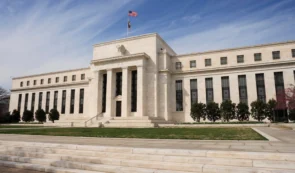
The Federal Reserve released a formal proposal on May 20, 2026 establishing limited payment accounts for eligible non-bank financial firms, including crypto and fintech companies, giving them direct connectivity to key payment infrastructure under a defined set of constraints.
South Carolina's Governor has signed S.0163 into law, a bill introduced on January 14, 2025 that establishes protections for digital asset users, miners, and self-custody holders while prohibiting state authorities from accepting or facilitating central bank digital currency.

As MiCA raises Europe’s entry bar, crypto firms are reassessing EU ambitions and turning to flexible hubs like El Salvador, Costa Rica, and the BVI as they seek growth without regulatory overexposure.

The Bank of England proposed stablecoin limits that the industry called unenforceable, that economists called overkill, and that quietly ignored how the technology actually works. Eleven months later, the central bank dropped them.

The crypto market structure bill cleared its first major legislative hurdle on Thursday, advancing from the Senate Banking Committee with the bipartisan margin that Coinbase CEO Brian Armstrong had predicted ahead of the vote.

Brian Armstrong recorded a ninety-second update from the Senate office building on Wednesday, and the substance behind the brevity is worth unpacking.

Five crypto-linked stocks posted strong 24-hour gains on May 5, but the CLARITY Act drove Circle's 20% move while Bitcoin drove the rest.

For years, stablecoins occupied an awkward middle ground in financial debates - too small for central banks to treat seriously, too large for regulators to ignore comfortably.

Cardano and Midnight founder Charles Hoskinson says that the Clarity Act, in its current form, is not just incomplete, it is potentially more dangerous than having no legislation at all.


That role has become more useful as bridging and onchain lending have become routine.…

Solana is a public blockchain built to process transactions at a pace and cost…

Key takeaways Bluesky leads decentralized social on scale, without using a blockchain. Farcaster changed…

Crypto trading can look simple until a fast market, thin order book or leveraged…