

The selloff in AI infrastructure debt has put a harder question to Bitcoin miners building data centers for artificial-intelligence customers: how much of the build is already funded, and how much still depends on favourable markets?


Journalist


Alexander Zdravkov is a market analyst and crypto journalist with interests in economics, broader financial markets and digital assets. His journey into crypto began more than four years ago, driven by a fascination with the rapid evolution of blockchain technology and the transformative potential of decentralized finance. He began analyzing market cycles and identifying emerging trends before they reach the mainstream. He holds a degree in International Relations - a background that helped shape his broader perspective on global economics, geopolitics, and the interconnected nature of modern financial markets. Whether covering the latest developments in the crypto sector or exploring broader macroeconomic themes, Alexander focuses on giving readers context rather than simply repeating headlines. During his career, he has authored more than 5,000 articles covering cryptocurrencies, traditional finance, and global market developments. His work spans everything from Bitcoin and altcoins to macroeconomic trends influencing risk assets worldwide.
The selloff in AI infrastructure debt has put a harder question to Bitcoin miners building data centers for artificial-intelligence customers: how much of the build is already funded, and how much still depends on favourable markets?
Polygon disclosed two medium-severity bugs on October 15 that could let valid transactions force its nodes to perform far more work than their gas cost suggested. In one test, work that serial execution completed in milliseconds kept the parallel processor busy for roughly 11 seconds.

USDC’s new EU classification will transfer supervision of its reserves, liquidity and capital to the European Banking Authority on November 12, alongside continuing French oversight.

Key Takeaways Encryption is optional for each transaction. Instructions are revealed after block ordering is finalized. Petra offers the option;[…]
NEAR has retreated roughly 19% from its recent peak near $6, slipping below $4.94 and approaching the rising channel boundary that has framed its September advance.

Bitcoin rebounded from the $81,000 area after the latest pullback, keeping the correction contained for now. The more difficult part of the move may come higher up the chart, where the earlier decline began.

Standard Chartered has begun custodying Ripple’s RLUSD for eligible institutions, while a planned LMAX arrangement could make those balances useful in trading.

LayerZero’s ZRO token rose more than 15% on October 12, bringing price back to a historical resistance area near $2.45-$2.60 after a sharp recovery from its summer lows.

Jeonbuk Bank has begun lending Korean won to businesses that pledge Bitcoin, using a structure that keeps the coins outside the bank’s direct control.

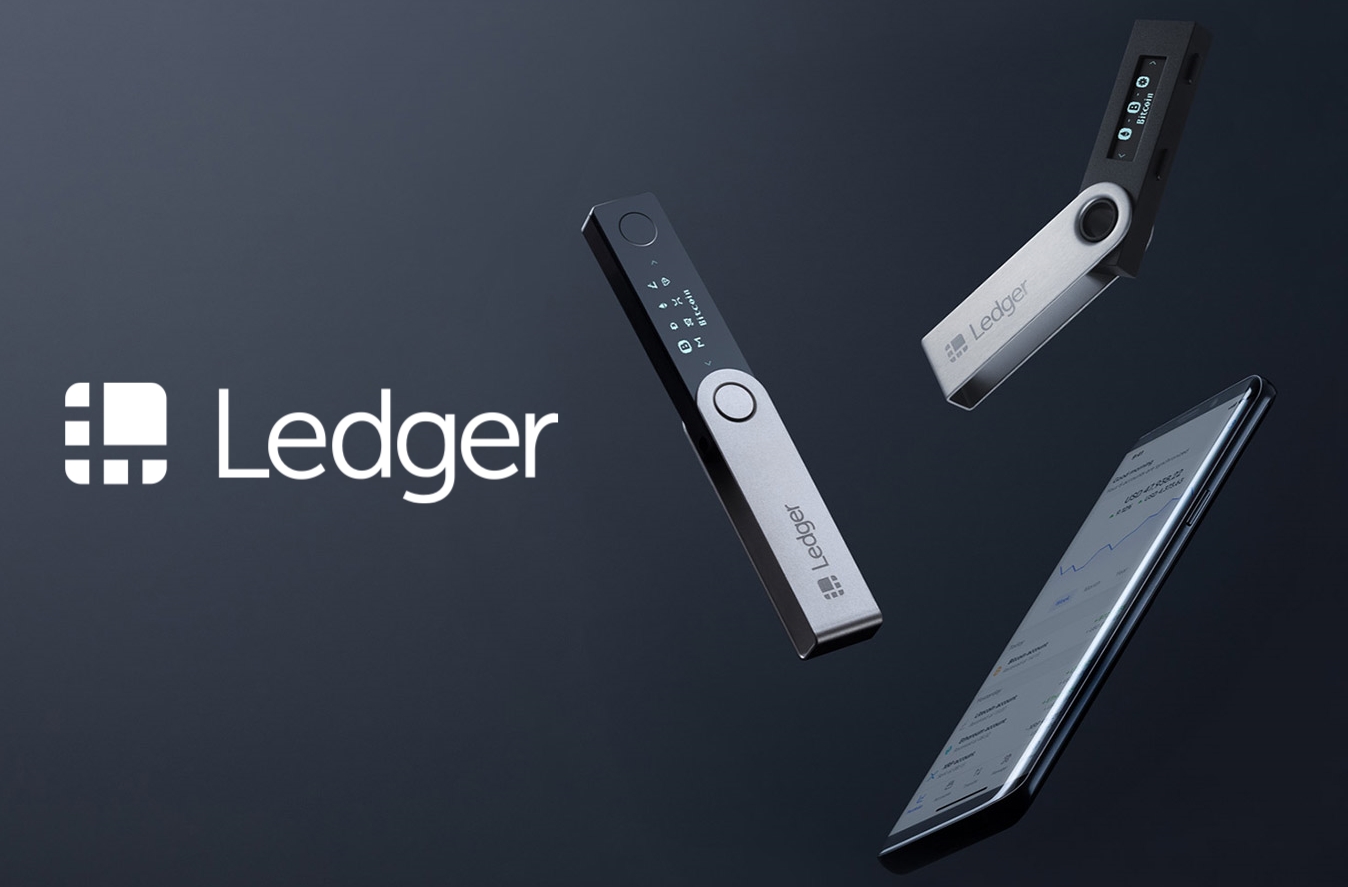
Ledger has confirmed that one device linked to its investigation into lost-funds reports contained an unauthorized hardware implant, giving the case a verified physical-security finding.
A tokenized bond could sit in the same wallet as ADA while operating under a very different set of rules. Cardano’s new programmable-token standard gives issuers a way to embed those rules into selected new assets from the start.

Scott Bessent says the U.S. may seize $1 billion in Iran-linked crypto this week. Whether that happens depends less on a wallet’s balance than on who can move it.
