15% U.S. Tariff Puts Pressure on 40,000 UK Firms
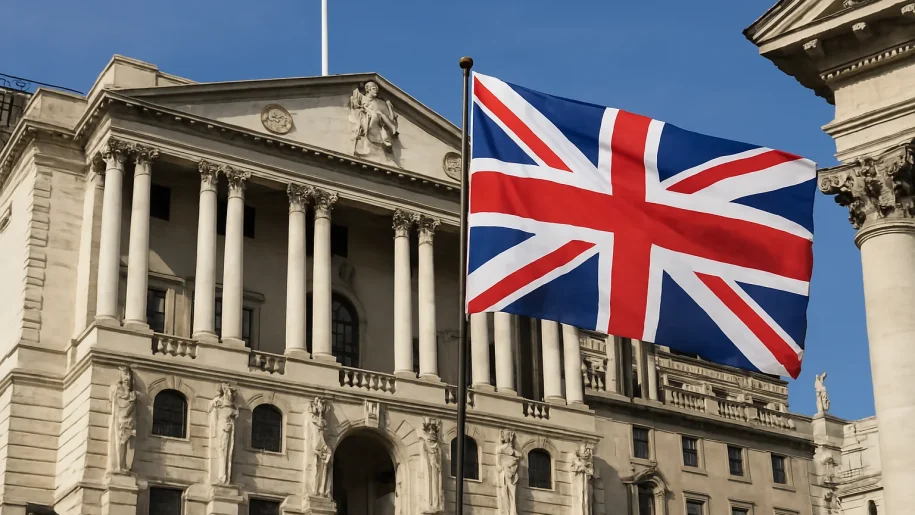
The sudden legal twist in Washington has reshaped trade flows between the United States and the United Kingdom.
- The UK has lost its 10% preferential tariff rate and now faces a 15% duty on exports to the U.S.
- Around 40,000 British companies are exposed to higher costs and supply chain pressure.
- Food and drink, textiles, and industrial machinery are among the most vulnerable sectors.
- Some exports such as steel and pharmaceuticals remain protected under separate rules.
After the U.S. Supreme Court invalidated President Donald Trump’s “reciprocal” tariff framework, the UK’s previously secured 10% preferential rate has effectively disappeared – leaving British exporters exposed to a newly imposed 15% global tariff.
The ruling, delivered in a 6-3 decision, concluded that the International Emergency Economic Powers Act (IEEPA) did not authorize broad, unilateral global tariffs without Congressional approval. That decision dismantled the legal foundation of several country-specific arrangements, including the UK’s deal.
What Changed Overnight
Before the court decision, the UK had negotiated a 10% tariff rate – lower than the steeper duties faced by many other nations. That preferential status is now void.
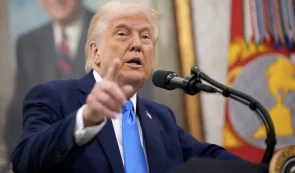
Within 24 hours of the ruling, President Trump introduced a new 15% global tariff under Section 122 of the Trade Act of 1974. Unlike the previous structure, this measure applies uniformly, offering no special carve-out for London. As a result, the UK faces one of the sharpest relative increases among major U.S. trading partners.
Some protections remain intact. UK exports of steel, pharmaceuticals, and certain automotive categories are still shielded because they fall under different legal authorities, such as Section 232 measures that were not overturned by the court.
A “Best-Friend-to-Stranger” Scenario
Trade analysts describe the situation as a diplomatic setback for the UK. By aligning itself with a country-specific 10% deal tied to the IEEPA framework, London now finds itself back at the negotiating table with no special status.
Businesses are already adjusting pricing models to reflect the new 15% baseline. With the Section 122 authority limited to 150 days unless extended by Congress, uncertainty dominates corporate planning. Even if a new UK-specific agreement is reached, it may prove temporary while the administration explores more durable trade tools such as Section 301 investigations.
UK officials are reportedly preparing to re-engage the White House to secure fresh exemptions – effectively restarting months of negotiations.

Sectors Under Pressure
The tariff jump poses immediate risks for food and drink producers, textile manufacturers, and industrial machinery exporters. These industries operate on tight margins and are highly sensitive to sudden cost increases.
Automobiles face a more complex structure. While certain quotas remain protected, excess exports may be subject to rates as high as 25%. Analysts estimate that roughly 40,000 UK companies could face higher costs, potential order cancellations, and supply chain disruptions as a result of the policy reset.
A Temporary Measure – Or the Start of a Broader Shift?
Although the 15% tariff is legally capped at 150 days under Section 122, markets are wary that it could mark the beginning of a broader restructuring of U.S. trade policy. If more permanent mechanisms are pursued, UK exporters may need to adapt to a structurally higher cost environment in their largest non-European market.
For now, the UK’s once-celebrated preferential access has vanished, replaced by legal uncertainty and renewed diplomatic pressure – a sharp reversal in what had been presented as a “special” transatlantic arrangement.
The information provided in this article is for educational purposes only and does not constitute financial, investment, or trading advice. Coindoo.com does not endorse or recommend any specific investment strategy or cryptocurrency. Always conduct your own research and consult with a licensed financial advisor before making any investment decisions.



With over 6 years of experience in the world of financial markets and cryptocurrencies, Teodor Volkov provides in-depth analyses, up-to-date news, and strategic forecasts for investors and enthusiasts. His professionalism and sense of market trends make the information he shares reliable and valuable for everyone who wants to make informed decisions.