EU Parliament Moves to Freeze U.S. Trade Deal, Raising Tensions
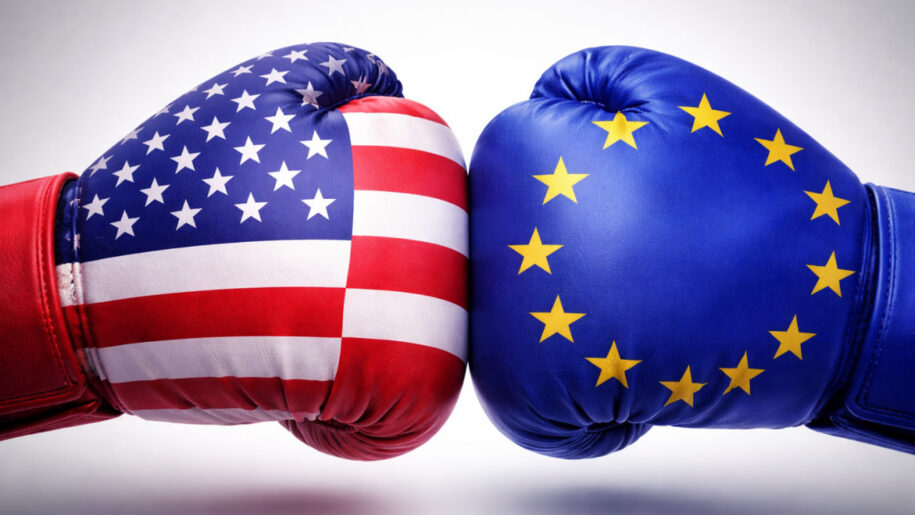
The European Parliament is set to propose freezing approval of a trade agreement with the US, a move that risks derailing months of negotiations and deepening transatlantic tensions at a fragile moment for global commerce.
Key Takeaways:
- EU lawmakers plan to propose a freeze on ratification of the EU–US trade deal.
- The move could stall negotiations and heighten transatlantic trade tensions.
- A suspension would send a political signal but not immediately terminate the agreement.
- Businesses and markets face renewed uncertainty over tariffs and regulatory alignment.
- The decision comes amid broader disputes over industrial policy and trade measures.
Lawmakers are expected to put forward the proposal on Monday, seeking to halt the ratification process of the EU–US trade pact. If adopted, the measure would stall progress on the deal and complicate efforts to stabilize economic relations between the two allies.
🇪🇺EUROPEAN PARLIAMENT TO MOVE AGAINST U.S. TRADE DEAL
The European Parliament says it will propose tomorrow to freeze approval of the trade agreement with the United States.
If passed, the move would stall progress on the EU-U.S. deal and escalate transatlantic trade tensions. pic.twitter.com/Mfl90vy3rX
— Coin Bureau (@coinbureau) February 22, 2026
The initiative underscores growing unease within the European Union over the direction of US trade policy and broader geopolitical strains.
Deal Faces Political Headwinds
The proposed freeze would not immediately terminate the agreement but would suspend parliamentary approval, effectively putting the deal on ice. Such a step would send a political signal to Washington and could trigger retaliatory rhetoric or policy responses.

EU lawmakers have increasingly voiced concerns over tariff measures and industrial policy decisions emerging from the US, arguing that they disadvantage European producers. The move also comes amid heightened scrutiny of strategic sectors, including clean energy, technology and defense-related supply chains.
Risk of Escalating Trade Tensions
If the proposal advances, it could reignite tensions reminiscent of earlier tariff disputes between Brussels and Washington. Trade relations have seesawed in recent years, oscillating between cooperation on supply chains and disputes over subsidies and market access.
A freeze in approval would likely unsettle businesses on both sides of the Atlantic that had anticipated greater regulatory clarity and tariff stability under the agreement.
Market participants are watching closely for signals from the European Commission and US trade officials regarding potential contingency measures.
Broader Implications
The EU and the US together account for nearly a third of global trade flows. Any prolonged disruption in negotiations risks spilling over into investment decisions, cross-border capital flows and currency markets.
While the European Parliament’s proposal may be intended as leverage in negotiations, it introduces fresh uncertainty into an already complex global trade landscape.
The outcome of Thursday’s move will determine whether the latest transatlantic friction becomes a temporary bargaining tactic or the start of a deeper rupture in one of the world’s most consequential economic partnerships.
The information provided in this article is for educational purposes only and does not constitute financial, investment, or trading advice. Coindoo.com does not endorse or recommend any specific investment strategy or cryptocurrency. Always conduct your own research and consult with a licensed financial advisor before making any investment decisions.



Alexander Zdravkov is a market analyst and crypto journalist with interests in economics, broader financial markets and digital assets. His journey into crypto began more than four years ago, driven by a fascination with the rapid evolution of blockchain technology and the transformative potential of decentralized finance. He began analyzing market cycles and identifying emerging trends before they reach the mainstream. He holds a degree in International Relations - a background that helped shape his broader perspective on global economics, geopolitics, and the interconnected nature of modern financial markets. Whether covering the latest developments in the crypto sector or exploring broader macroeconomic themes, Alexander focuses on giving readers context rather than simply repeating headlines. During his career, he has authored more than 10,000 articles covering cryptocurrencies, traditional finance, and global market developments. His work spans everything from Bitcoin and altcoins to macroeconomic trends influencing risk assets worldwide.