Why Next Week Could Be a Turning Point for Markets in 2026
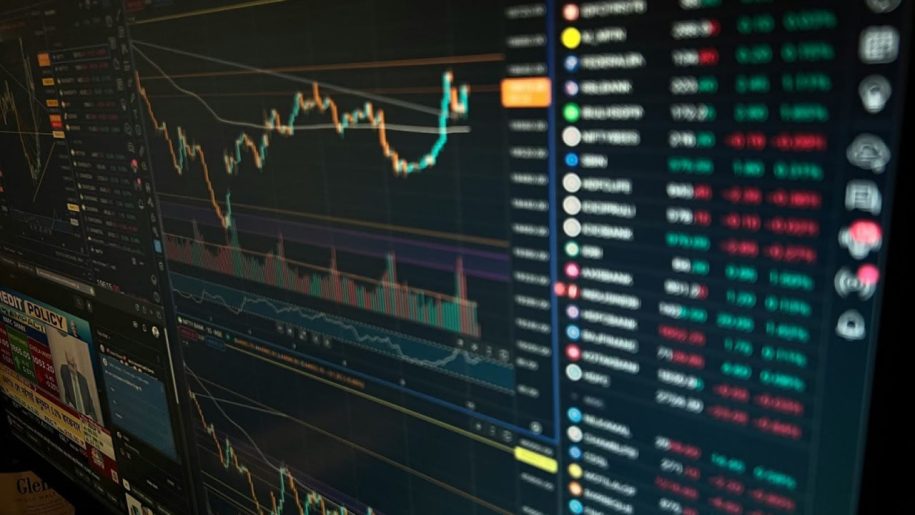
Next week is shaping up to be one of the most market-moving periods of 2026, with major monetary, fiscal, and macroeconomic data points stacked day after day.
Key takeaways
- Multiple high-impact macro releases are concentrated into a single week, increasing volatility risk
- Liquidity and policy signals are likely to matter more than individual data prints
- Crypto and other risk assets may see sharp, short-lived moves rather than sustained trends
- Global data from the U.S., China, and Japan adds cross-market spillover risk
Traders across equities, bonds, crypto, and FX should brace for elevated volatility as liquidity signals, policy tone, and global growth data collide.
What to expect from a packed macro week
The week kicks off with a key announcement tied to the Federal Open Market Committee, where any shift in tone from policymakers could immediately move risk assets. Even without a rate change, guidance around inflation, growth, or financial conditions can reset expectations across markets.
On Tuesday, attention turns to a $8.3 billion liquidity injection by the Federal Reserve. Liquidity operations often act as short-term fuel for markets, particularly for high-beta assets like technology stocks and crypto. If markets interpret this as supportive, risk appetite could briefly expand – though the durability of that move will depend on follow-through later in the week.
Wednesday and Thursday bring deeper structural signals. The U.S. federal budget balance offers insight into government borrowing needs, which can influence Treasury yields and the dollar. Meanwhile, updates to the Fed’s balance sheet will be closely watched for signs of tightening or renewed easing. Balance sheet contraction tends to pressure speculative assets, while stabilization or expansion often supports them.
How markets could react
By Friday, the focus shifts to a U.S. economic survey, which may confirm or challenge current growth assumptions. Weak data could revive recession fears, pushing investors toward bonds and defensive assets, while stronger-than-expected numbers may support equities – but potentially reignite inflation concerns.
The weekend doesn’t bring relief. China’s money supply data on Saturday will offer clues about stimulus intensity and domestic liquidity conditions. Expansionary signals could boost commodities and global risk sentiment, while tighter conditions may weigh on emerging markets.
Finally, Japan’s GDP figures on Sunday will cap the week, shaping expectations for Asian markets and global capital flows as trading resumes.
Taken together, this lineup creates a setup where volatility is more likely than clarity. Liquidity injections may spark rallies, but follow-up data could just as quickly reverse them – making next week one where risk management matters more than conviction.
The information provided in this article is for educational purposes only and does not constitute financial, investment, or trading advice. Coindoo.com does not endorse or recommend any specific investment strategy or cryptocurrency. Always conduct your own research and consult with a licensed financial advisor before making any investment decisions.



Alex is Editor-in-Chief of Coindoo and co-founder of Millennial Media Group, with nearly a decade of experience covering financial markets - crypto first, then everything else. It started in 2016 with Bitcoin. Like most people at the time, he didn't fully understand it - so he kept digging. Blockchain, tokenomics, the projects, the cycles. That curiosity never stopped, and eventually pulled him into traditional markets too: equities, commodities, macro. Not because he left crypto behind, but because you can't properly understand one without the other. What drives him is straightforward: he wants to know why something is happening, not just that it's happening. Most market coverage stops at the headline - price up, price down, here's a chart. Alex finds that kind of reporting actively unhelpful. If you walk away from an article without understanding the mechanism behind the move, what did you actually learn? He holds a degree in Tourism from New Bulgarian University - not the most obvious path into financial markets, but markets have a way of pulling in people who are simply too curious to stay out. He has authored over 200 in-depth analyses and more than 10,000 articles across crypto and traditional finance. He still thinks every day in markets teaches him something new. That's probably why he hasn't stopped.