Why Deposits Are the Test for Trustworthy Casinos
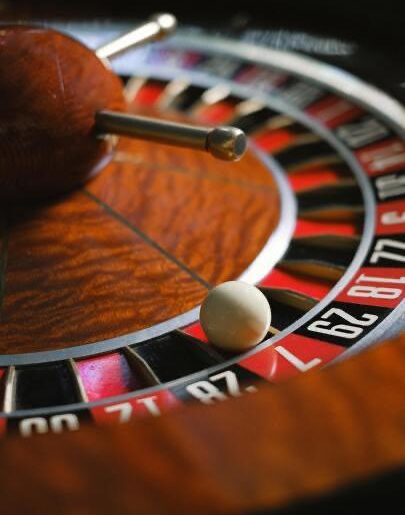
Casinos used to be flesh and brick. You could smell the carpet glue and cigarette ash, hear the machines bleating like goats in the desert, feel the cold chips slide between your fingers. That world had walls. When the walls came down and the games spilled into laptops and phones, something essential was lost and something dangerous was born. The glitz was replaced by a glowing interface, the dealer by an algorithm, and suddenly you were alone at your kitchen table staring at a wheel that could be fair or fixed. The question shifted from how to play to who can you trust.
This publication is sponsored and written by a third party. Coindoo does not endorse or assume responsibility for the content, accuracy, quality, advertising, products, or any other materials on this page.
It’s easy to get dazzled by the lights on the screen. The promises, the bonuses, the slogans that sound like they were written by a carnival barker on a sugar high. Strip that noise away and the real game isn’t roulette or blackjack. The real game is figuring out if the place you’re playing is the real thing, or just smoke and mirrors. That’s the first test.
Deposits That Tell the Truth
Money is the bloodstream, and the way it flows in tells you almost everything you need to know. A shady operator pushes you toward obscure or clumsy systems, the sort that vanish when you try to pull funds back out. A reputable casino does the opposite. It gives you familiar deposit options — bank transfers, credit cards, recognized digital wallets — and lays the terms out in daylight. Increasingly, the better outfits go a step further, letting you use Apple Pay or other seamless tools that connect directly to accounts you already trust. It’s no accident that these deposit methods and payment methods are now accepted in Canada by casinos that care about reputation. They signal credibility right at the start.
But don’t just stop at the icons on the checkout page. Look at the fine print. Are the limits clear? Are deposits instant or cloaked in vague timelines? If you can’t tell how your money moves, you’re already at risk. A casino that plays straight with deposits will usually play straight everywhere else. One that hides the rules in fog is a trap waiting to snap shut.
Licenses and Watchdogs
Casinos don’t police themselves. They live under the eye of regulators, and the strength of that eye matters. A license isn’t just a sticker slapped on the footer of a website. It’s a sign that somebody has tested the games, audited the payouts, and stands ready to intervene if things go sideways. Without it, you’re stepping into a basement game where the deck is stacked and no one’s coming when you shout foul.
Not all licenses are created equal, of course. Some governments treat it like a real job interview. Others treat it like paperwork and stamps. Still, even the weakest oversight is better than none. It’s the difference between a referee you distrust and no referee at all. If you’re serious about your money, you’ll check where the license comes from before you ever lay down a bet.
Reputation in the Wild
A casino can brag all it wants, but its players tell the truth. The internet doesn’t forget. Scroll through forums, reviews, even casual comment threads, and patterns surface. If payouts stall, if bonuses vanish, if accounts get locked without reason, you’ll see the warnings fly.
Of course, gamblers also curse their luck. One bad beat can turn into a rant that looks like gospel. The trick is sifting the noise from the signal. When complaints repeat across months and voices, you know it’s more than sour grapes. A trustworthy casino earns something rare in this economy of suspicion: consistent praise from people who have nothing to gain by giving it.
The Economy of Trust
That’s the heart of it. Online casinos don’t just live on games. They live on trust. Money flows in and out like water, and trust is the dam holding it all together. Break that, and the whole structure collapses. That’s why serious operators spend on encryption, compliance, and transparency. They know a crooked spin might fatten the house for a week, but it kills the future.
Crypto makes the picture sharper. People don’t buy tokens out of blind faith. They buy because they can trace the ledger, verify the math, and see that no one’s cooking the books. Blockchain creates a paper trail that can’t be burned. Every transaction is a line of proof, every bet a mark in the record. That’s why gamblers who lean on crypto often feel safer: the system itself is the referee.
The best casinos borrow from that playbook. They let you see enough to believe — clear payment histories, transparent odds, certifications that can be checked instead of simply promised. The bad ones hide behind slogans, refuse to show their workings, and pray you don’t ask questions. In a world where crypto has shown people what verifiable trust looks like, the shadows look darker than ever.
The Human Angle
Here’s the final marker: how they treat you when things go wrong. Good casinos keep support lines open and human. They answer, they explain, they resolve. They write terms you can understand without a law degree. That’s not window dressing. It’s survival instinct. If they want you back tomorrow, they make sure you don’t leave angry tonight.
Remember Breaking Bad when Walter White calmly told his wife he was the one who knocks? That’s the vibe of shady operators. Intimidation, opacity, a sense that you’re supposed to accept what they say without question. A trustworthy casino flips that script. It doesn’t knock. It opens the door and invites you in, knowing that if you don’t feel safe, you’ll take your money somewhere else.
The Final Call
Trustworthy casinos leave trails. They show you clean deposit options. They display licenses from regulators with teeth. They publish fairness tests from labs with reputations to protect. They survive scrutiny in the wild. They treat players like humans, not wallets.
Online gambling will always carry risk. That’s the nature of the game. But risk isn’t the same as being conned. A fair table gives you a chance. A rigged one gives you nothing. Spotting the difference isn’t just smart. It’s the only way to make sure the spin stays thrilling, the hand stays worth playing, and the bet means more than a donation to a faceless scammer.
This publication is sponsored and written by a third party. Coindoo does not endorse or assume responsibility for the content, accuracy, quality, advertising, products, or any other materials on this page. Readers are encouraged to conduct their own research before engaging in any cryptocurrency-related actions. Coindoo will not be liable, directly or indirectly, for any damages or losses resulting from the use of or reliance on any content, goods, or services mentioned.


Krasimir Rusev is a journalist and digital content creator with over 4 years of experience and more than 1,000 published pieces in the financial space. His work focuses on stock markets and commodities, closely tracking asset movements and the factors that drive them. He has a particular interest in gold and oil markets - not just their current movements, but their history, structure, and long-term trends. For him, understanding the context behind prices matters just as much as the prices themselves. A self-described Bitcoin maximalist, Krasimir has been following crypto markets long before he became a journalist. What started as a casual interest in Bitcoin gradually turned into a deep conviction - one that shaped how he thinks about money, value, and the broader financial system. That perspective quietly informs everything he writes. Beyond writing analysis and news, he actively creates content for social media including TikTok, Facebook, and Instagram, presenting market topics in a more accessible and visually engaging format. He believes financial information should reach a wide audience - not just those already following the markets. At Coindoo, he contributes to both editorial content and the development of the platform's digital presence. He works with tools like Photoshop, CapCut, and Canva, with a particular focus on visual storytelling - videos, infographics, and images that add an extra layer of value to news and analysis.