Vuxocap Moves Into Top CFD Platforms 2026
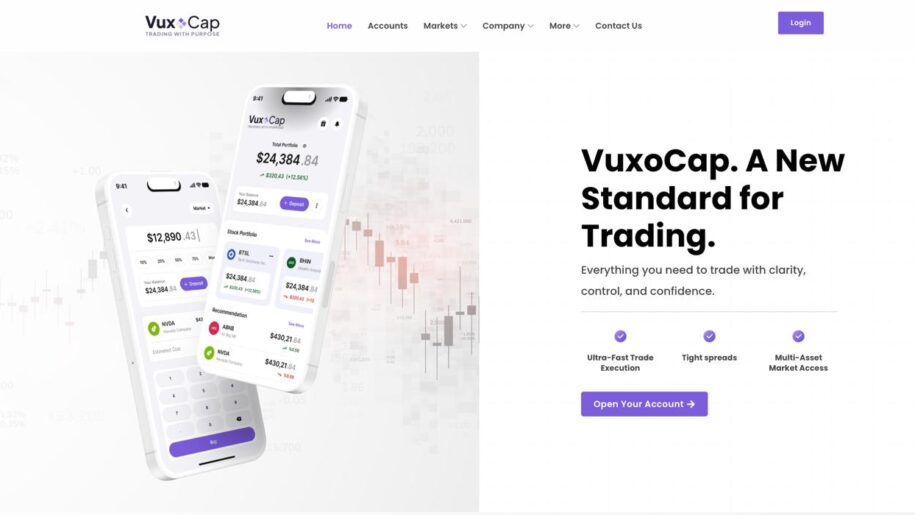
Why Vuxocap Is Entering the Top Tier of CFD Trading Platforms in 2026
Each year, a small number of trading platforms begin to stand out from the broader market—not through aggressive marketing, but through consistent performance and user adoption. In 2026, Vuxocap is increasingly being mentioned among platforms moving toward the upper tier of online CFD trading.
This shift is not accidental. It reflects a combination of usability, speed, market access, and a growing reputation for reliability—factors that traders now prioritize more than ever.
A shift toward usability over complexity
One of the defining trends in modern trading platforms is a move away from excessive complexity. Traders no longer want dozens of unused features—they want tools that work efficiently and predictably.
Vuxocap aligns well with this shift. Its interface is clean, intuitive, and designed for real-world trading. By focusing on clarity rather than feature overload, the platform appeals to both newer traders and experienced users seeking efficiency.
This emphasis on usability is one of the reasons it is gaining recognition in industry discussions.
Strong performance in speed and execution
Speed remains a critical factor in CFD trading, where timing can significantly affect outcomes. Vuxocap delivers a trading environment that feels responsive, with fast chart loading and smooth order execution.
While no platform is immune to market volatility, Vuxocap’s consistency under normal conditions contributes to growing confidence among its users. This level of performance is often what separates average platforms from those considered top-tier.
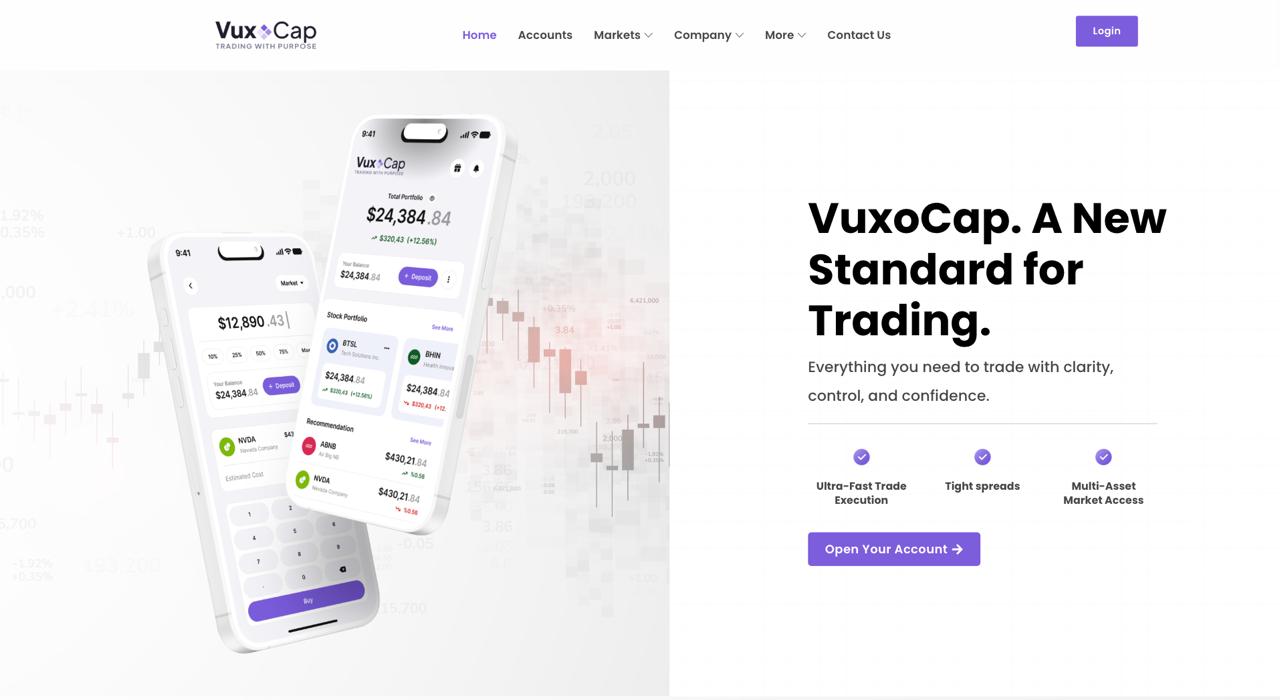
Strong performance in speed and execution
Speed remains a critical factor in CFD trading, where timing can significantly affect outcomes. Vuxocap delivers a trading environment that feels responsive, with fast chart loading and smooth order execution.
While no platform is immune to market volatility, Vuxocap’s consistency under normal conditions contributes to growing confidence among its users. This level of performance is often what separates average platforms from those considered top-tier.
Growing focus on crypto integration
Crypto continues to play a major role in the evolution of CFD trading platforms. Vuxocap has positioned itself to meet this demand by offering structured access to crypto markets within its broader trading environment.
Rather than replicating the complexity of crypto exchanges, Vuxocap integrates crypto trading into a familiar interface. This approach appeals to traders who want exposure to digital assets without leaving a structured trading framework.
Growing focus on crypto integration
Crypto continues to play a major role in the evolution of CFD trading platforms. Vuxocap has positioned itself to meet this demand by offering structured access to crypto markets within its broader trading environment.
Rather than replicating the complexity of crypto exchanges, Vuxocap integrates crypto trading into a familiar interface. This approach appeals to traders who want exposure to digital assets without leaving a structured trading framework.
Reliability and user perception
A platform’s rise into the “top tier” is often driven as much by perception as by features. Increasingly, user feedback around Vuxocap points to consistency, ease of use, and a stable trading experience.
Reliability—both technical and operational—is a key factor in this perception. Traders tend to stay with platforms that behave predictably, especially when managing risk.
A balanced approach to trading tools
Vuxocap does not attempt to compete by offering the most advanced or complex tools on the market. Instead, it focuses on providing the tools that traders actually use—charting, order management, and risk controls—in a reliable format.
This balance makes the platform accessible while still meeting the needs of active traders.
Why 2026 is a turning point
The trading industry in 2026 is increasingly defined by efficiency, transparency, and user experience. Platforms that align with these priorities are naturally moving toward the top of the market.
Vuxocap’s growth reflects this broader trend. By focusing on what traders need rather than what looks impressive, it positions itself as a platform that fits the direction of the industry.
This publication is sponsored and written by a third party. Coindoo does not endorse or assume responsibility for the content, accuracy, quality, advertising, products, or any other materials on this page. Readers are encouraged to conduct their own research before engaging in any cryptocurrency-related actions. Coindoo will not be liable, directly or indirectly, for any damages or losses resulting from the use of or reliance on any content, goods, or services mentioned.


Krasimir Rusev is a journalist and digital content creator with over 4 years of experience and more than 1,000 published pieces in the financial space. His work focuses on stock markets and commodities, closely tracking asset movements and the factors that drive them. He has a particular interest in gold and oil markets - not just their current movements, but their history, structure, and long-term trends. For him, understanding the context behind prices matters just as much as the prices themselves. A self-described Bitcoin maximalist, Krasimir has been following crypto markets long before he became a journalist. What started as a casual interest in Bitcoin gradually turned into a deep conviction - one that shaped how he thinks about money, value, and the broader financial system. That perspective quietly informs everything he writes. Beyond writing analysis and news, he actively creates content for social media including TikTok, Facebook, and Instagram, presenting market topics in a more accessible and visually engaging format. He believes financial information should reach a wide audience - not just those already following the markets. At Coindoo, he contributes to both editorial content and the development of the platform's digital presence. He works with tools like Photoshop, CapCut, and Canva, with a particular focus on visual storytelling - videos, infographics, and images that add an extra layer of value to news and analysis.