Solana Opens Its Web3 Stack to Android Giants
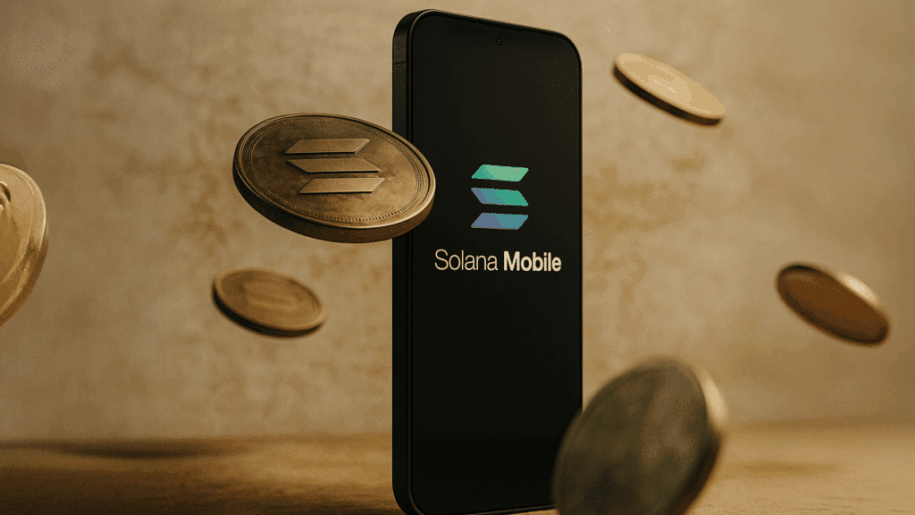
Solana Mobile has taken a major step toward expanding crypto-native smartphones beyond its own hardware.
Key Takeaways
As of March 2, 2026, the company officially opened the Solana Mobile Stack (SMS) to third-party Android OEMs, allowing manufacturers worldwide to embed native Web3 infrastructure directly into their devices.
Until now, SMS had been exclusive to Solana’s Saga and Seeker smartphones. The latest move transforms the stack into a modular toolkit that any Android hardware maker can integrate, effectively turning standard smartphones into secure Web3-enabled devices without compromising core Android functionality.
Hardware-Level Security for Private Keys
At the center of the offering is Seed Vault, a secure custody protocol that can be embedded into a device’s Trusted Execution Environment (TEE). This allows private keys to be protected at the hardware level rather than through standard app-based storage, reducing exposure to malware or phishing attacks.
The system is designed to be opt-in and modular. Importantly, SMS does not interfere with Google Mobile Services, existing Android certifications, or standard device operations. OEMs can deploy Web3 capabilities while preserving the familiar Android experience.
A New Revenue Model for Smartphone Makers
Solana Mobile is positioning SMS as more than just a technical upgrade. The stack introduces recurring revenue streams for hardware manufacturers, including transaction fees, staking commissions, and ecosystem-based participation.
In a smartphone market often criticized for thin margins and commoditization, analysts suggest SMS could offer hardware-level differentiation. Instead of relying solely on one-time device sales, manufacturers may participate in what is often described as a $1.5 trillion digital asset economy.
Regional customization is also part of the strategy. OEMs can tailor the Web3 experience based on local demand – focusing on stablecoin usage in emerging markets such as India and Brazil, or emphasizing self-custody features in developed Asian markets.
Proven Ecosystem Traction
Solana Mobile’s expansion comes with measurable traction. More than 200,000 Saga and Seeker devices have already been shipped, generating over $5 billion in on-chain transaction volume.
The Solana dApp Store now features more than 500 applications supported by over 4,000 active developers. According to company data, mobile users are three times more likely to complete onboarding compared to desktop users – a metric that underscores the importance of seamless mobile integration.
On the network level, Solana recorded approximately 2.3 million monthly active fee payers as of mid-2025, with transaction finality reportedly under 400 milliseconds, reinforcing its positioning as a high-speed consumer blockchain.
Strategic Chipset Partnerships
To support broad adoption, Solana Mobile has secured partnerships with major chipset providers. MediaTek has opened its development platform to ensure SMS is production-ready on Dimensity chipsets, while Qualcomm also officially supports the stack.
In addition, a collaboration with Trustonic integrates its Kinibi TEE architecture, ensuring GlobalPlatform-compliant security standards across supported devices.
Pressure on Traditional App Store Economics
One of the more disruptive aspects of SMS is its 0% take rate in the Solana dApp Store. Compared to the typical 15–30% commissions charged by Apple and Google, this model could allow developers to retain significantly more revenue.
Market observers believe this structure could save developers hundreds of millions in aggregate value if adoption scales across major OEMs.
Broader SMS deployment may also accelerate usage of complementary decentralized services, including storage solutions like Arweave and wireless infrastructure networks such as Helium.
Token Incentives and Alignment
The SKR token is designed to align incentives among manufacturers, developers, and users. Early data suggests strong engagement, with 46% of early users reportedly staking tokens to remain active participants in the ecosystem.
If SMS integration becomes widespread across Android manufacturers, Solana Mobile could move from being a niche crypto phone experiment to a foundational infrastructure layer for Web3-enabled consumer hardware.
The information provided in this article is for educational purposes only and does not constitute financial, investment, or trading advice. Coindoo.com does not endorse or recommend any specific investment strategy or cryptocurrency. Always conduct your own research and consult with a licensed financial advisor before making any investment decisions.



Alex is Editor-in-Chief of Coindoo and co-founder of Millennial Media Group, with nearly a decade of experience covering financial markets - crypto first, then everything else. It started in 2016 with Bitcoin. Like most people at the time, he didn't fully understand it - so he kept digging. Blockchain, tokenomics, the projects, the cycles. That curiosity never stopped, and eventually pulled him into traditional markets too: equities, commodities, macro. Not because he left crypto behind, but because you can't properly understand one without the other. What drives him is straightforward: he wants to know why something is happening, not just that it's happening. Most market coverage stops at the headline - price up, price down, here's a chart. Alex finds that kind of reporting actively unhelpful. If you walk away from an article without understanding the mechanism behind the move, what did you actually learn? He holds a degree in Tourism from New Bulgarian University - not the most obvious path into financial markets, but markets have a way of pulling in people who are simply too curious to stay out. He has authored over 200 in-depth analyses and more than 10,000 articles across crypto and traditional finance. He still thinks every day in markets teaches him something new. That's probably why he hasn't stopped.