MoneyGram Adds Visa Spending to Stablecoin Remittances
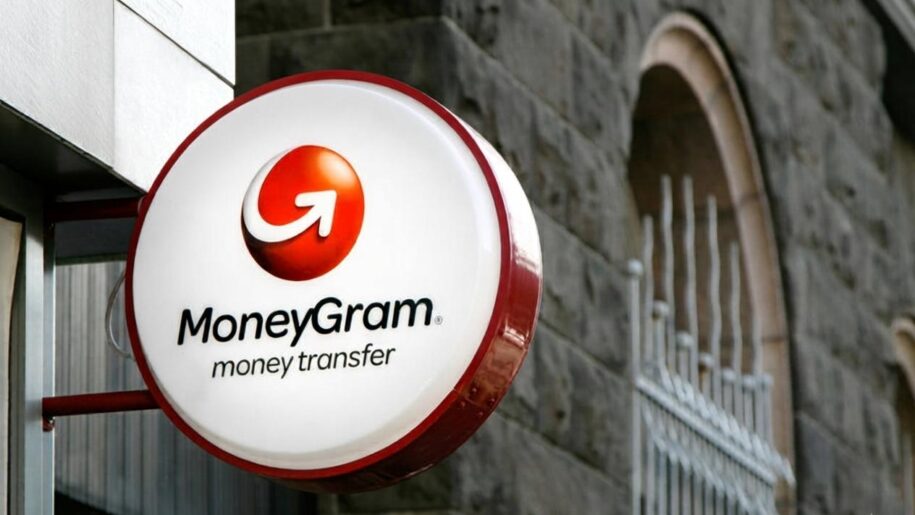
MoneyGram has introduced its first stablecoin-backed Visa card for users in Colombia. The product connects its dollar-linked remittance balance with ordinary card payments at checkout.
Key Takeaways
- “First” applies to MoneyGram, not Colombia.
- Colombia received $13.1 billion in remittances.
- Merchants can continue receiving local currency.
- Fees determine the product’s practical value.
The distinction around “first” is important. This is MoneyGram’s first stablecoin-backed Visa card, but it is not the first product of its kind available in Colombia. Western Union launched its Stablecard across 37 markets in August, including markets where demand for dollar-linked balances is already visible.
A $500 transfer can be converted gradually
A recipient collecting a $500 transfer in Colombian pesos converts the full payout at the provider’s applicable rate. If MoneyGram’s card keeps the funds in a stablecoin until they are used, a $100 purchase could convert only the amount needed for that transaction, leaving the remaining $400 dollar-linked. The example excludes fees and depends on the card’s final authorization and settlement terms.
This option is most relevant to recipients who spend remittances over several weeks. Someone who needs the entire payment immediately may still prefer a bank deposit or cash withdrawal.
Colombia received $13.1 billion in remittances
Colombia received approximately $13.1 billion from workers abroad during 2025, according to Migración Colombia, citing data from Banco de la República. The total increased 10.6% from 2024.
That volume gives MoneyGram a substantial market in which to test whether recipients want to retain part of their transfers in dollar-linked assets. Its earlier Colombian app allowed customers to receive a USDC-backed balance and withdraw pesos through more than 6,000 MoneyGram locations. The card adds retail spending as another way to use the balance.
The product does not remove the need for pesos. Rent, taxes, cash purchases and domestic transfers may still require local currency. Its purpose is to give recipients another point at which they can choose to convert.
Colombian merchants do not need stablecoin wallets
The card connects a digital-asset balance with the existing Visa acceptance network. The stablecoin stores the cardholder’s value, while the card infrastructure handles merchant authorization and payment.
Visa’s existing program with Bridge illustrates how that arrangement can work. The required amount is deducted from a stablecoin balance and converted, while the merchant receives fiat through the normal card system. Visa says cards supported by Bridge can reach more than 175 million merchant locations.
MoneyGram’s card terms must confirm whether it uses the same conversion and settlement model. Users should not assume that every stablecoin-backed Visa card works identically.
The wider direction is already visible in the stablecoin strategies of Visa and Mastercard. Card networks are incorporating digital assets into their existing systems without requiring merchants to hold cryptocurrency or change their checkout equipment.
The complete cost extends beyond blockchain fees
A stablecoin transfer can be inexpensive onchain while the complete remittance remains costly. Funding charges, exchange-rate spreads and withdrawals can outweigh the network fee.
A 2026 Banca d’Italia study demonstrated that difference by sending 200 USDC across ten international routes. Total costs ranged from 0.30% to 8.96%, with much of the expense appearing when funds entered or left the crypto system.
The study did not examine MoneyGram, Colombia or card payments, so its figures should not be treated as an estimate of this product’s cost. Its relevance is methodological: evaluating a remittance requires every stage of the transaction to be counted. Coindoo’s analysis of the research explains why stablecoin transfers are not automatically cheaper.
Four figures would allow Colombian users to compare the card with cash pickup or a bank payout:
- Total sender cost: The transfer fee and funding charge paid abroad.
- Checkout exchange rate: The USD/COP rate applied when a purchase is authorized.
- Card charges: Any issuance, transaction, inactivity or replacement fees.
- Cash-access cost: ATM and agent fees when pesos are still required.
The useful comparison is the amount of goods or pesos a recipient can obtain from the same original transfer. An advertised zero-fee payment can still be expensive if the exchange rate includes a wide spread.
The token and card terms require equal attention
MoneyGram’s original Colombian balance used Circle’s USDC. In June, the company separately introduced MGUSD, issued by Bridge and initially deployed on Stellar.
The cardholder agreement should identify whether purchases are funded with USDC, MGUSD or both. It should also name the card issuer and program manager and explain whether the product is structured as debit, prepaid or secured credit.
These distinctions affect what the customer legally owns. A stablecoin balance is not automatically a bank deposit, and conventional deposit insurance should not be assumed. The relevant protections depend on the token issuer, reserve arrangements, wallet structure and card agreement.
Customers should also check how access is restored after a lost phone, who investigates unauthorized transactions and whether funds can be transferred to an external wallet. A simple interface can hide blockchain operations, but it cannot replace clear recovery and dispute procedures.
The card extends MoneyGram beyond cash pickup
A conventional remittance relationship often ends when the recipient collects the payment. A stored balance and payment card allow MoneyGram to remain involved as the customer holds, spends or withdraws the funds.
The card fits into a wider infrastructure strategy. MoneyGram uses Stellar for MGUSD, while its recent decision to open its cash network to Solana applications allows external wallets to connect with its physical locations. The products serve different purposes: one supports MoneyGram’s own dollar-linked services, while the other gives third-party applications access to cash ramps.
The commercial effect will depend on customer behavior. If recipients retain balances and use the card regularly, MoneyGram gains an ongoing payment relationship. Immediate withdrawal would leave its traditional remittance model largely unchanged.
Three figures will show whether it works
The number of cards issued will not be enough to judge the launch. The more useful measures are:
- Effective customer cost: The final amount available after transfer fees, conversion and card charges.
- Balance retention: How much of each remittance remains dollar-linked rather than being withdrawn immediately.
- Active spending: How many approved users complete regular card transactions.
Those figures would show whether the card improves how Colombian families use remittances or simply adds another interface between a dollar balance and the peso.
This article is for informational purposes only and does not constitute financial or payment advice. Availability, fees, exchange rates and protections may vary by product and jurisdiction.



Kosta has reported on cryptocurrency markets and blockchain infrastructure since 2020, bringing over six years of hands-on experience in the crypto industry built through daily tracking of markets, trends, and emerging blockchain developments. Specializing in Bitcoin on-chain analysis, institutional ETF flows, and digital asset price action, his work at Coindoo has been cited by other news agencies and consistently covers market developments with a focus on data-driven reporting across Bitcoin, Ethereum, Solana, and XRP. Over the years, Kosta has contributed to multiple crypto media outlets in different regions, authoring over 6,000 articles across the sector. His reporting spans cryptocurrency markets and the broader fintech industry, tracking not only price action but also the technological and regulatory forces shaping the ecosystem. To support his analysis, Kosta actively leverages on-chain data and metrics from leading platforms such as Santiment, Glassnode, and CryptoQuant, enabling deeper, evidence-based market insights. He believes in the power of transparency and the data that underpins the blockchain ecosystem. His academic background in Marketing Management from Denmark further complements his analytical approach, adding a strong understanding of communication strategy and content positioning to his work.