Ledger Breach Renews Concerns Over Customer Data Safety in Crypto
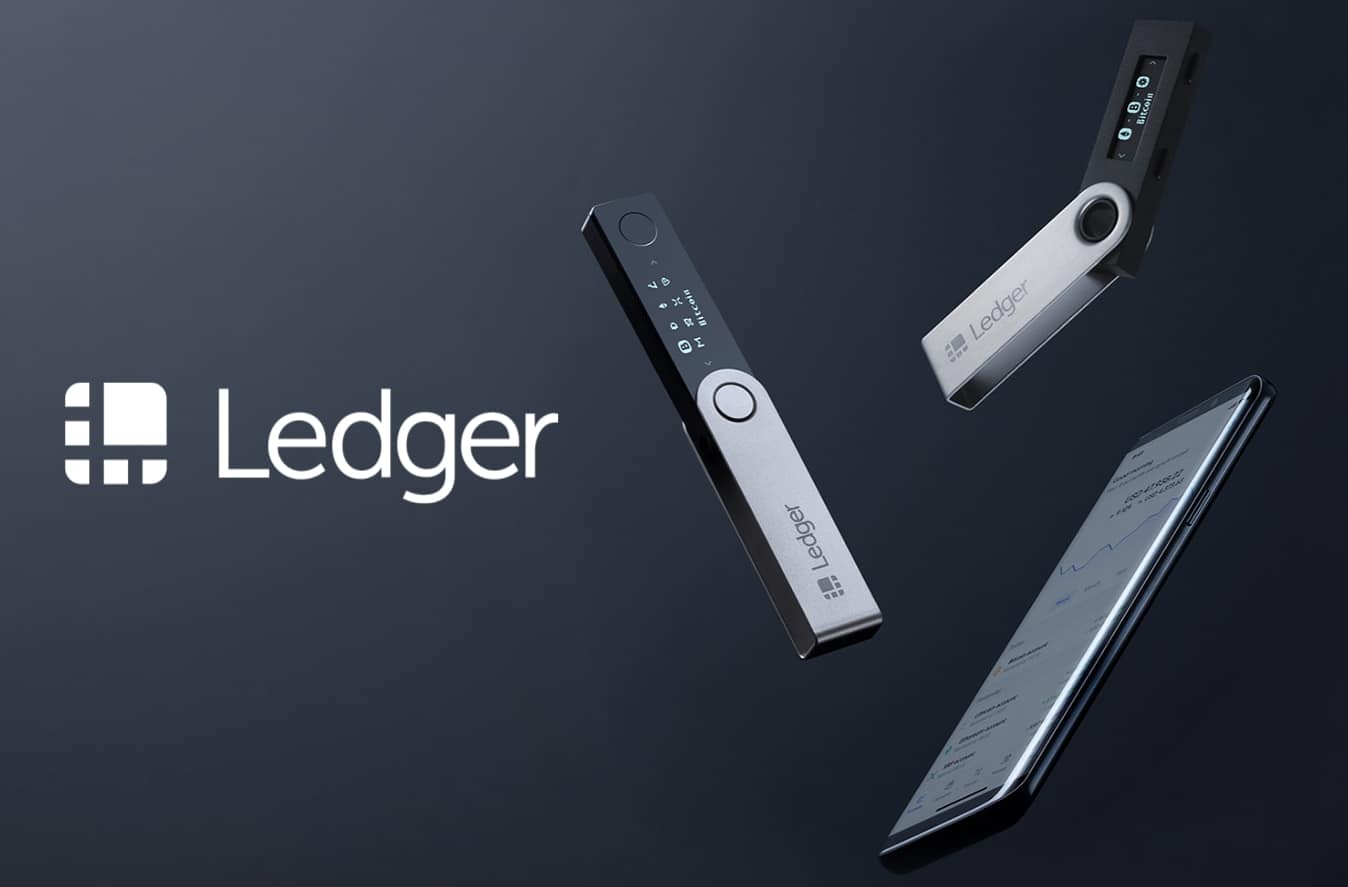
Hardware wallet maker Ledger is once again dealing with the fallout from a customer data exposure—this time stemming from a breach at one of its external service providers rather than its own systems.
The company confirmed that its payment processor, Global-e, detected suspicious activity within part of its cloud infrastructure and moved to shut down affected systems. The incident was disclosed to customers on January 5, 2026, after an internal review and the involvement of independent forensic investigators.
Key Takeaways
- The breach originated from Ledger’s third-party payment processor, not Ledger’s core systems.
- Customer names and contact information were exposed, but no wallets or funds were affected.
- Ledger has not disclosed how many users were impacted or the full scope of leaked data.
- The incident highlights ongoing risks tied to external vendors in the crypto industry.
What was exposed — and what wasn’t
According to notifications sent to affected users, the breach resulted in unauthorized access to limited personal information, specifically names and contact details. Ledger emphasized that no cryptographic material was compromised: private keys, recovery phrases, wallet firmware, and on-chain funds remain secure.
However, the company did not disclose how many customers were impacted or precisely which types of contact information were accessed, such as email addresses, phone numbers, or physical locations. That lack of detail has raised concern among some users, particularly given Ledger’s past experiences with data leaks.
A pattern of third-party risk
This marks the second known incident in which Ledger customers have been affected by unauthorized data access since 2025, reinforcing a recurring theme in the crypto industry: while self-custody tools may be technically secure, the surrounding ecosystem of vendors can still introduce vulnerabilities.
Ledger relies on external partners like Global-e to handle payments and customer records, creating additional attack surfaces outside its core security architecture. Previous breaches across the industry show that attackers often target these peripheral systems rather than wallets themselves.
Why contact data still matters in crypto
Although no funds were taken in this incident, leaked personal information can still have serious consequences. In crypto, even basic contact details are valuable to attackers, who often use them to launch highly targeted phishing campaigns, impersonate customer support, or trick users into revealing recovery phrases.

Ledger users are no strangers to this risk. Earlier breaches involving customer databases have historically led to waves of scams and social engineering attacks, sometimes months after the initial exposure.
Community reaction and broader warnings
Following the disclosure, on-chain investigator ZachXBT issued a public warning, arguing that repeated data incidents show why users should minimize the personal information they provide when purchasing hardware wallets. He suggested that using disposable or non-identifying contact details could reduce the effectiveness of future phishing attempts if databases are compromised.
Community alert: Ledger had another data breach via payment processor Global-e leaking the personal data of customers (name & other contact information).
Earlier today customers received the email below. pic.twitter.com/RKVbv6BTGO
— ZachXBT (@zachxbt) January 5, 2026
An unresolved issue for self-custody providers
Global-e has stated that the breach has been contained and that investigations are ongoing. For Ledger, the incident underscores a persistent challenge—protecting users doesn’t end at the hardware level. As long as companies depend on third-party vendors for payments, logistics, and communications, customer data remains a potential point of failure.
While this breach did not put funds at risk, it serves as another reminder that in crypto, security is only as strong as the weakest link in the broader infrastructure.
The information provided in this article is for educational purposes only and does not constitute financial, investment, or trading advice. Coindoo.com does not endorse or recommend any specific investment strategy or cryptocurrency. Always conduct your own research and consult with a licensed financial advisor before making any investment decisions.



Alex is an experienced financial journalist and cryptocurrency enthusiast. With over 8 years of experience covering the crypto, blockchain, and fintech industries, he is well-versed in the complex and ever-evolving world of digital assets. His insightful and thought-provoking articles provide readers with a clear picture of the latest developments and trends in the market. His approach allows him to break down complex ideas into accessible and in-depth content. Follow his publications to stay up to date with the most important trends and topics.