Economist Who Predicted 1987 Crash Says Gold Boom Is Overheated
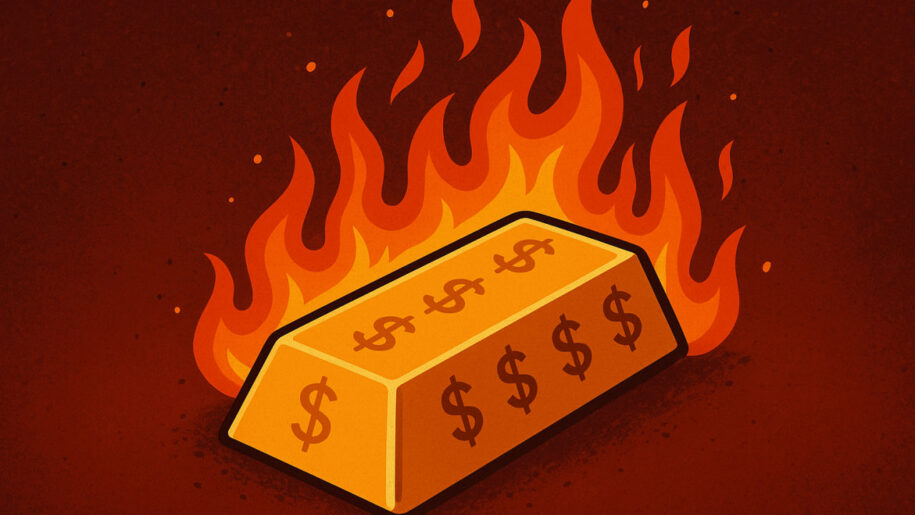
Veteran economist and investor Mark Skousen, who rose to prominence after calling the 1987 market crash, is sounding the alarm over gold’s explosive rally, arguing that the metal has become more of a gamble than a safe investment.

“It’s Not an Investment – It’s a Bet”
In an interview released October 14, Skousen said gold’s relentless climb to roughly $4,200 an ounce has detached from fundamentals, calling the move “a speculative fever.” He believes the price has outpaced realistic valuations and that investors chasing new highs could be setting themselves up for disappointment.
“Gold at these levels isn’t something you tuck away for the long term,” he said. “It’s turned into a trader’s market – exciting, but risky.”
Still, he sees opportunity in select mining companies, which have quietly improved efficiency and margins as the gap widens between soaring bullion prices and stable extraction costs. Skousen highlighted Kinross Gold as one of the few names positioned to benefit from the current environment.
Market Optimism Reaches Peak Euphoria
Gold’s rally, up more than 50% this year, has prompted some analysts to suggest $5,000 could be the next stop. Yet momentum indicators are flashing red, and Skousen believes a cooldown is inevitable – and even necessary. “A correction isn’t something to fear,” he noted. “It’s a reset that gives disciplined investors a chance to re-enter at better prices.”

Behind the metal’s surge lies a cocktail of macro catalysts: a dovish Federal Reserve preparing for rate cuts, persistent trade friction between Washington and Beijing, and a prolonged U.S. government shutdown that has frozen key data releases. Each factor has amplified the appeal of gold as a haven against policy uncertainty.
Waiting for Gravity to Return
Skousen’s message isn’t that gold is doomed – rather, that euphoria has replaced logic. Once the market retraces and sentiment stabilizes, he expects stronger opportunities to emerge. “The next great gold trade may come after the crowd gets tired of chasing it,” he said.
For now, he advises patience. In his view, the real value will come not from buying into the frenzy – but from waiting for it to end.
The information provided in this article is for educational purposes only and does not constitute financial, investment, or trading advice. Coindoo.com does not endorse or recommend any specific investment strategy or cryptocurrency. Always conduct your own research and consult with a licensed financial advisor before making any investment decisions.



Alexander Zdravkov is a market analyst and crypto journalist with interests in economics, broader financial markets and digital assets. His journey into crypto began more than four years ago, driven by a fascination with the rapid evolution of blockchain technology and the transformative potential of decentralized finance. He began analyzing market cycles and identifying emerging trends before they reach the mainstream. He holds a degree in International Relations - a background that helped shape his broader perspective on global economics, geopolitics, and the interconnected nature of modern financial markets. Whether covering the latest developments in the crypto sector or exploring broader macroeconomic themes, Alexander focuses on giving readers context rather than simply repeating headlines. During his career, he has authored more than 10,000 articles covering cryptocurrencies, traditional finance, and global market developments. His work spans everything from Bitcoin and altcoins to macroeconomic trends influencing risk assets worldwide.