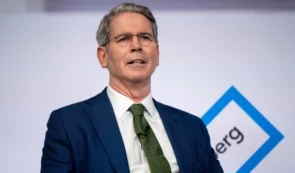
CFTC Chairman Defends Prediction Markets From State Crackdowns
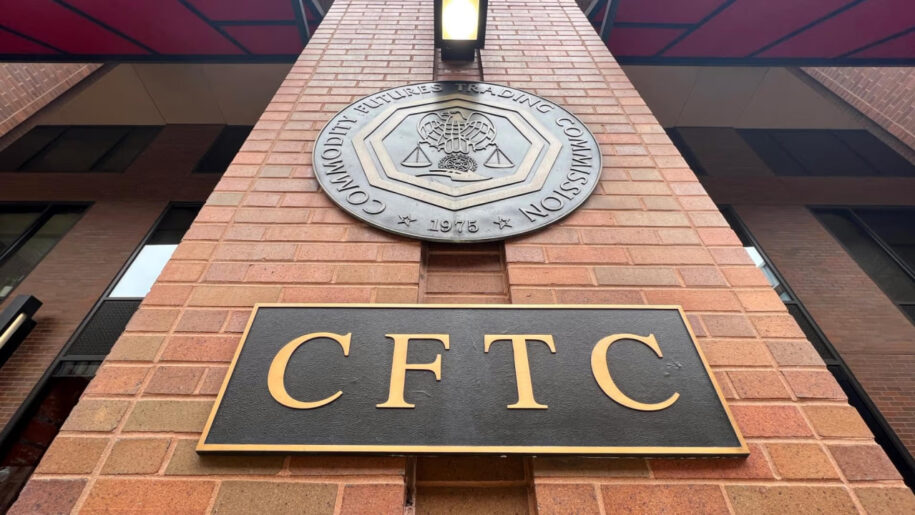
The newly appointed chairman of the Commodity Futures Trading Commission, Michael Selig, is drawing a firm line between federal oversight and state intervention in the fast-growing prediction market sector.
- The CFTC says prediction markets fall under federal derivatives law, not state gambling rules.
- Chairman Michael Selig is reversing prior restrictions and defending platforms in court.
- The agency supports innovation but will still prosecute insider trading and market abuse.
- States and the gambling industry are challenging the CFTC’s authority, setting up a major legal fight.
Over the past year, Selig has positioned the CFTC as the primary regulator of event-based contracts, pushing back against what he describes as an aggressive wave of state-level legal challenges.
Rather than tightening restrictions, Selig has moved to roll back prior policies and actively defend platforms such as Kalshi and Polymarket. His approach marks a clear departure from the previous regulatory tone, emphasizing that these products qualify as federally regulated commodity derivatives rather than illegal gambling operations.
Federal Authority Over Event Contracts
On February 17, 2026, the CFTC filed an amicus brief in the United States Court of Appeals for the Ninth Circuit backing Crypto.com in its dispute with Nevada regulators. Selig argued that states lack authority to prohibit federally regulated event contracts, framing them as legitimate derivatives under the Commodity Exchange Act.
I have some big news to announce… pic.twitter.com/3OBNTaOnIL
— Mike Selig (@ChairmanSelig) February 17, 2026
The move signals that the CFTC is willing to intervene directly when state authorities attempt to block or restrict prediction market offerings. According to Selig, allowing a patchwork of state bans would undermine the integrity of federally supervised derivatives markets.
Reversing Biden-Era Restrictions
Selig has also rescinded several proposals introduced during the Biden administration. Among them was a 2024 draft rule that would have effectively banned political and sports-related event contracts. In addition, a 2025 staff letter warning operators about potential state enforcement risks has been nullified.
He has criticized what he calls “policymaking through enforcement” and instead promised a “minimum effective dose” regulatory framework. The aim, he says, is to promote lawful innovation while maintaining market safeguards.

Monitoring Insider Risks With AI
While defending the legality of prediction markets, Selig has made clear that enforcement remains part of the equation. In a February 12 interview, he confirmed that the CFTC is collaborating with sports leagues and trading platforms to detect insider trading and market manipulation risks.
The agency is reportedly deploying AI-based monitoring tools to identify suspicious trading patterns. Selig emphasized that support for the industry does not mean tolerance for misconduct, adding that the CFTC will pursue bad actors under existing federal law.
Growing Political and Industry Pushback
The chairman’s stance has triggered sharp criticism from state officials and the traditional gambling sector.
Spencer Cox, Governor of Utah, publicly challenged Selig’s authority, arguing that the CFTC has no jurisdiction over what he described as derivative contracts tied to individual sports statistics. He has vowed to contest the issue in court.
Meanwhile, the American Gaming Association continues to lobby for state-level control, contending that prediction markets are functionally indistinguishable from regulated sports betting.
A Defining Regulatory Battle
The dispute underscores a broader debate over whether prediction markets represent financial innovation or a new form of online gambling. With federal regulators and state governments increasingly at odds, upcoming court decisions could set a precedent for how event-based contracts are treated nationwide.
For now, under Selig’s leadership, the CFTC appears committed to defending its jurisdiction and providing regulatory clarity to platforms operating in the rapidly evolving prediction market space.
The information provided in this article is for educational purposes only and does not constitute financial, investment, or trading advice. Coindoo.com does not endorse or recommend any specific investment strategy or cryptocurrency. Always conduct your own research and consult with a licensed financial advisor before making any investment decisions.



Alex is an experienced financial journalist and cryptocurrency enthusiast. With over 8 years of experience covering the crypto, blockchain, and fintech industries, he is well-versed in the complex and ever-evolving world of digital assets. His insightful and thought-provoking articles provide readers with a clear picture of the latest developments and trends in the market. His approach allows him to break down complex ideas into accessible and in-depth content. Follow his publications to stay up to date with the most important trends and topics.