Japan’s Markets Flash Rare Bull Market Signal
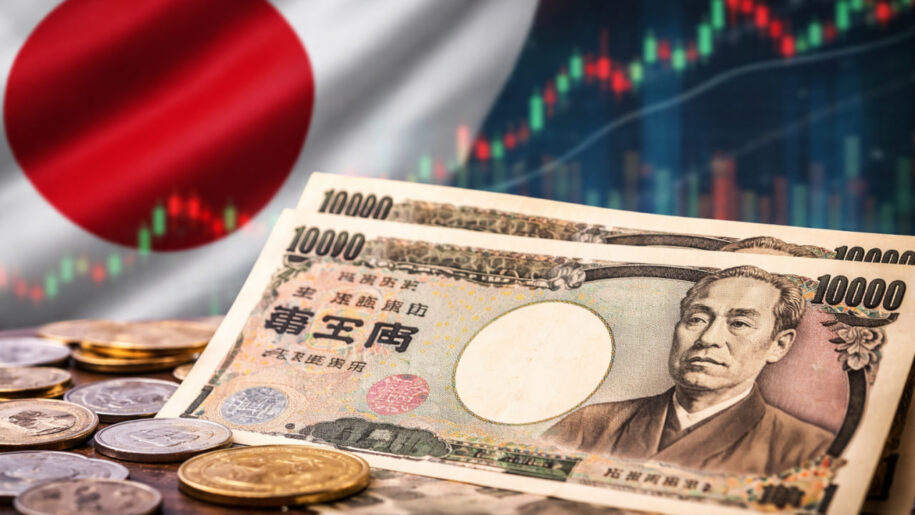
Japanese markets are flashing a signal that has not appeared in more than 20 years. The correlation between the Japanese yen and the Topix index has turned positive for the first time since 2005 - meaning the currency and equities are climbing in tandem.
Key Takeaways
- Yen and Topix are rising together for the first time since 2005.
- The yen is up about 1% year-over-year, while Topix has jumped roughly 38%.
- Analysts see this as a potential early signal of a long-term bull market.
- Fiscal stimulus, gradual rate hikes, and corporate reforms are supporting the move.
Historically, Japanese stocks tended to rally when the yen weakened, as a softer currency boosted exporters’ overseas earnings. The latest reversal suggests something different is unfolding in 2026. Analysts increasingly argue that Japan’s equity gains are now being supported by domestic economic momentum rather than currency depreciation alone.
A Rare “Dual Rise” Signal
Data from early 2026 show the yen strengthening roughly 1% against the U.S. dollar over the past year, while the Topix index has surged approximately 38% over the same period. This simultaneous advance in FX and equities is considered unusual in Japan’s modern market history.
Such patterns have typically emerged during powerful secular bull markets. Japan’s 1982–1990 expansion saw the Nikkei climb from around ¥7,000 to nearly ¥39,000. Similar currency-and-equity alignment was also observed in Germany between 1985 and 1995 and in China from 2000 to 2008, periods marked by sustained economic growth and structural transformation.
Market strategists describe the current environment as a potential paradigm shift – one that could mark the early phase of a longer-term structural uptrend.
What Is Driving the Shift in 2026?
Several forces appear to be converging.
Fiscal policy has turned more supportive following the election of Prime Minister Sanae Takaichi. Markets expect a fiscally dovish stance, including aggressive spending measures aimed at lifting nominal GDP growth and reinforcing domestic demand.
At the same time, monetary policy is gradually normalizing. The Bank of Japan is projected to continue raising interest rates, with expectations for the policy rate to reach around 1.00% by early 2026 and potentially 1.25% in 2027. A controlled tightening cycle alongside economic resilience may be helping the yen strengthen without undermining equity performance.

Corporate governance reforms also remain a key pillar. Japan has seen record share buybacks – estimated at roughly ¥9 trillion in 2024 – alongside continued shareholder-focused restructuring. Improvements in return on equity have made Japanese companies more competitive in global portfolios, attracting sustained foreign inflows.
Analyst Targets Point Higher
Major financial institutions maintain optimistic outlooks for Japan’s benchmarks through the end of 2026.
Bank of America projects the Topix reaching 3,700 by year-end 2026. For the Nikkei 225, forecasts range from 54,000 according to UBS to 55,500 in Bank of America’s base case.
While risks remain – including global growth concerns and currency volatility – the rare positive correlation between the yen and Japanese equities is being interpreted as more than a short-term anomaly. For many strategists, it resembles the early stages of a broader structural bull cycle.
Investors are now watching closely to see whether Japan can sustain this unusual alignment of a strengthening currency and a surging stock market – a combination that historically has accompanied some of the most powerful equity advances worldwide.
The information provided in this article is for educational purposes only and does not constitute financial, investment, or trading advice. Coindoo.com does not endorse or recommend any specific investment strategy or cryptocurrency. Always conduct your own research and consult with a licensed financial advisor before making any investment decisions.



Alexander Zdravkov is a market analyst and crypto journalist with interests in economics, broader financial markets and digital assets. His journey into crypto began more than four years ago, driven by a fascination with the rapid evolution of blockchain technology and the transformative potential of decentralized finance. He began analyzing market cycles and identifying emerging trends before they reach the mainstream. He holds a degree in International Relations - a background that helped shape his broader perspective on global economics, geopolitics, and the interconnected nature of modern financial markets. Whether covering the latest developments in the crypto sector or exploring broader macroeconomic themes, Alexander focuses on giving readers context rather than simply repeating headlines. During his career, he has authored more than 10,000 articles covering cryptocurrencies, traditional finance, and global market developments. His work spans everything from Bitcoin and altcoins to macroeconomic trends influencing risk assets worldwide.