The UK's Financial Conduct Authority is working with banks and other market participants on standards for tokenized gold as London looks to modernize a bullion market facing growing competition from Asia.

The UK's Financial Conduct Authority is working with banks and other market participants on standards for tokenized gold as London looks to modernize a bullion market facing growing competition from Asia.
Crypto markets enter the week of August 10 with inflation and energy prices capable of changing the outlook for U.S. monetary policy within days.

A government worried about growing use of dollar stablecoins has an obvious option: offer a digital version of its own currency.

Trump Media is unwinding some of its biggest crypto plans without abandoning digital assets altogether.

Bybit has filed a U.S. civil lawsuit against North Korea, its intelligence service and the Lazarus Group over the $1.5 billion crypto theft.

Hyperliquid’s policy arm is pushing regulators to consider whether perpetual futures, best known for crypto trading, could also work as hedging tools for businesses exposed to commodity prices.
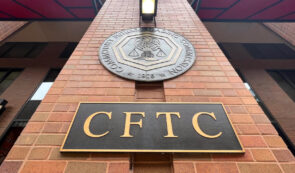
Coinbase now allows UK residents to trade US-listed stocks through a separate Coinbase Capital Markets brokerage account while using the same application as their crypto holdings.

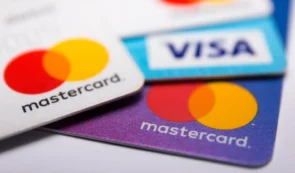
Visa and Mastercard are moving stablecoins deeper into cross-border payments. Visa is focusing on liquidity and wallet payouts; Mastercard is testing a way for providers to reuse parts of the compliance work already completed.
A Banca d’Italia experiment found that sending USDC between Italy and five other countries cost anywhere from 0.30% to 8.96%, depending largely on how users entered and exited the crypto market.
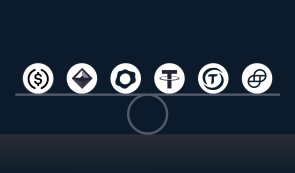
Open USD will launch on Ethereum from its first day of operation as part of a broader multichain rollout that also includes Solana, Base, Stellar and Polygon.
During a July 29 panel discussion on digital assets, Morgan Stanley Global Head of Banks and Diversified Finance Research Betsy Graseck put the case bluntly.

Crypto exchanges have built a parallel market around one of China's largest technology listings before the underlying shares have traded a single lot.


That role has become more useful as bridging and onchain lending have become routine.…
Solana is a public blockchain built to process transactions at a pace and cost…

Key takeaways Bluesky leads decentralized social on scale, without using a blockchain. Farcaster changed…
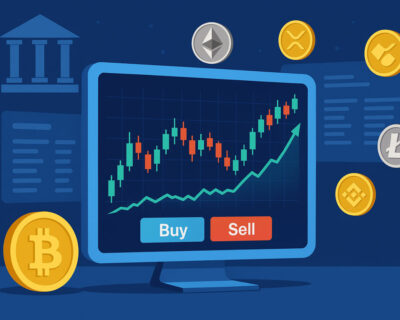
Crypto trading can look simple until a fast market, thin order book or leveraged…