Crypto’s market capitalization contracted by approximately $2.1 trillion in the year to June 30. Yet Chainalysis found that attributable onchain activity declined by only 1.6%.

Crypto’s market capitalization contracted by approximately $2.1 trillion in the year to June 30. Yet Chainalysis found that attributable onchain activity declined by only 1.6%.
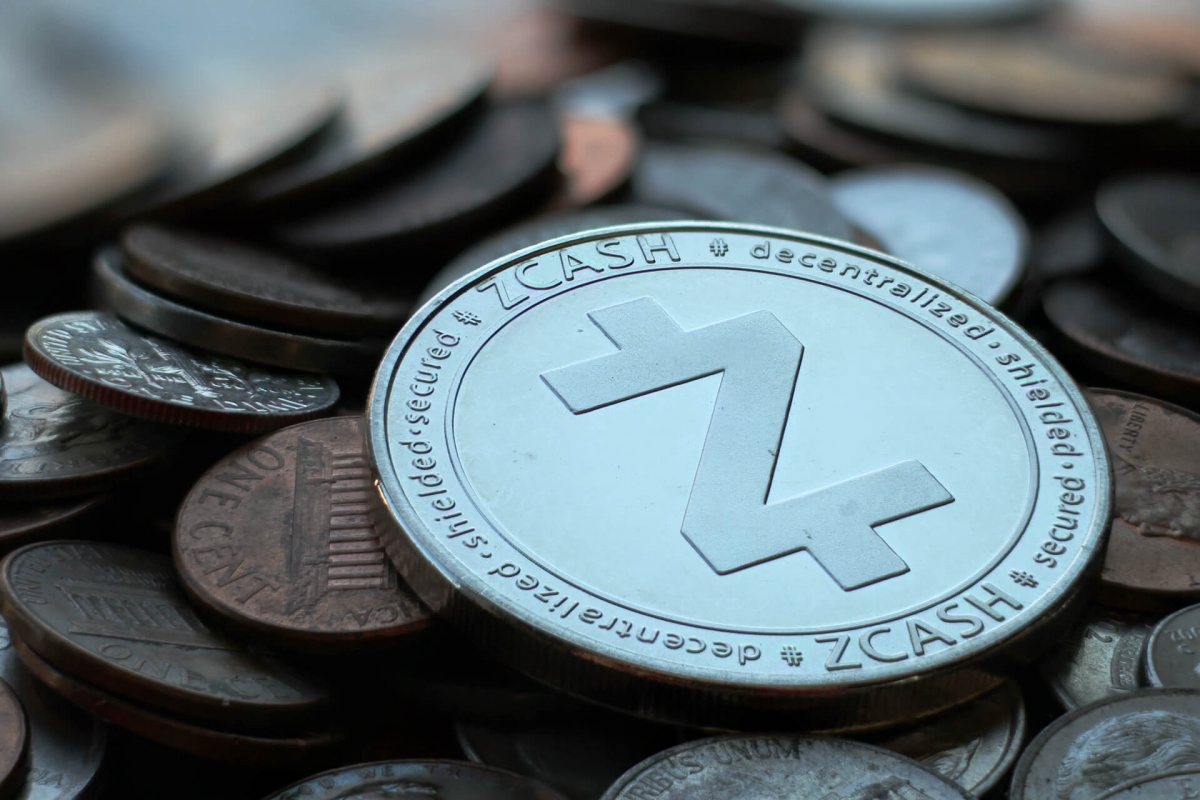
Zcash retreated after passing its August high and reaching near $1,680. Daily momentum is weakening, while the weekly chart still supports the broader advance.
Crypto absorbed a failed US regulatory vote and two central-bank rate increases before Bitcoin reached $87,374. The retreat began as oil rebounded, Treasury yields rose and traders had substantial monthly gains available to protect.

The XRP Ledger’s revised permission amendment has entered its activation countdown. If support holds, accounts could begin assigning narrow operating roles on October 5 without sharing full control.

BlackRock’s latest digital-assets paper argues that AI agents could create new stablecoin demand by paying continuously for data, software and computing power without human checkout flows.
BitMEX ended all trading services at 04:00 UTC on September 23, closing an exchange that spent more than 11 years shaping the crypto derivatives market.

Visa and Reap plan to bring stablecoin-linked credit-card programs to more than 100 markets, giving fintechs the processing and compliance infrastructure needed to launch them.

Solana’s Alpenglow upgrade targets finality in roughly 150 milliseconds. Anza’s newly updated rollout tracker, however, shows that its public testnet activation is still pending.

BELIZE CITY, BELIZE, 23rd September 2026, PlayNewswire

Canada’s six largest banks are exploring how tokenized CAD deposits could move between institutions. Creating digital claims is only the first step; settling them is harder.

The White House says US regulators will continue advancing crypto policy after the CLARITY Act failed, shifting the immediate work from Congress to the SEC and CFTC.
XRP has recovered almost 79% of its decline from $1.70 to $1.25, but the latest advance paused just below $1.60. The token also hesitated at this level in August before eventually breaking through it and reaching $1.70.
Solana is a public blockchain built to process transactions at a pace and cost…

Key takeaways Bluesky leads decentralized social on scale, without using a blockchain. Farcaster changed…
Crypto trading can look simple until a fast market, thin order book or leveraged…

This article applies one test to five major assets: what mechanism connects activity on…