With Inflation Under Control, Europe’s Central Bank Takes a Breather
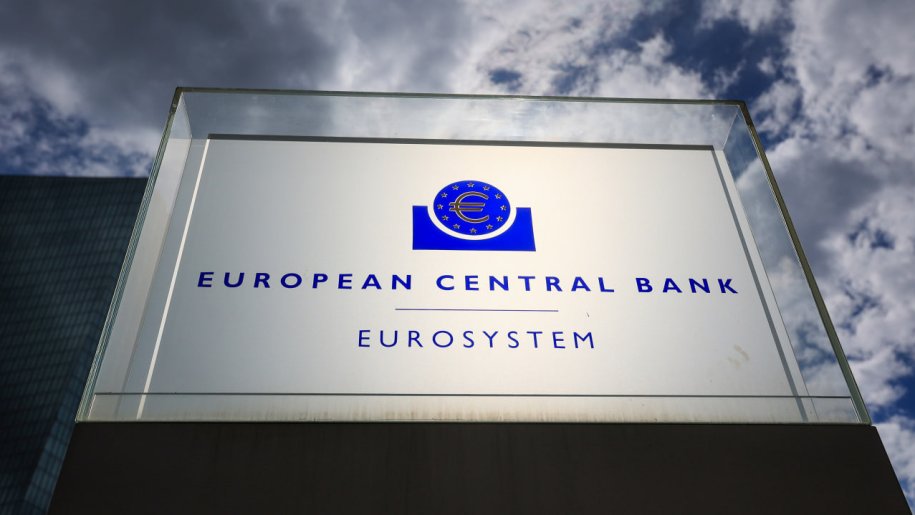
After more than two years of battling high inflation, the European Central Bank (ECB) appears ready to embrace stability. With eurozone prices finally aligning with its 2% target, policymakers are signaling that the era of rate hikes may be over — at least for now.
In comments to El Diario, José Luis Escrivá, a member of the ECB’s Governing Council, said the institution sees its current borrowing costs as “well positioned” to support growth without reigniting inflationary pressures. “Now that inflation is truly at target, it’s time to look forward and preserve balance,” he said.
Interest Rates Expected to Stay Frozen at 2%
The ECB will meet again on October 30, and expectations are almost unanimous that the deposit rate will remain at 2%, a level untouched since June. Traders and economists alike believe the central bank will also hold steady through the end of the year, closing out 2025 with its most cautious stance in years.
This restraint marks a turning point from the bank’s earlier posture, when officials raced to rein in double-digit inflation in 2022 and early 2023. Today, that urgency has faded. With energy prices easing and wage growth stabilizing, the ECB is opting for consistency over intervention.
READ MORE:

XRP Price Rises as Institutional Momentum Accelerates: ETF Milestone and CME Options Fuel Optimism
Spain Emerges as Europe’s Standout Performer
While much of Europe struggles with sluggish expansion, Spain has become a bright spot in the region’s economic story. Escrivá, who also leads the Bank of Spain, emphasized that his country’s growth trajectory remains stronger than the eurozone average.
New figures due Wednesday are expected to confirm a 0.6% GDP increase for the third quarter — a pace that outstrips the broader eurozone’s projected 0.1% growth. According to Escrivá, this performance highlights how Spain’s closer integration with European markets has helped it weather external shocks better than expected.
“Spain’s momentum stands out not because we’ve isolated ourselves from Europe, but because we’ve adapted more effectively within it,” he said.
The Big Picture: A Softer Economy, but a Clearer Outlook
For now, the ECB’s challenge is less about controlling inflation and more about sustaining confidence. The central bank’s current position — balancing price stability with modest growth — represents a rare equilibrium after years of turbulence.
Economists at Bloomberg Economics say the ECB is likely to keep its policy unchanged through 2026, barring any sharp shocks to demand or energy supply. That period of calm could allow markets to regain predictability, something European businesses have been craving since the start of the inflation crisis.
As Europe steadies itself, countries like Spain are proving that slow, steady growth can coexist with policy restraint — and perhaps even set a blueprint for the next phase of the continent’s economic recovery.
Source: Bloomberg
The information provided in this article is for educational purposes only and does not constitute financial, investment, or trading advice. Coindoo.com does not endorse or recommend any specific investment strategy or cryptocurrency. Always conduct your own research and consult with a licensed financial advisor before making any investment decisions.



Alexander Zdravkov is a person who always looks for the logic behind things. He has more than 3 years of experience in the crypto space, where he skillfully identifies new trends in the world of digital currencies. Whether providing in-depth analysis or daily reports on all topics, his deep understanding and enthusiasm for what he does make him a valuable member of the team.