Winklevoss Accuses JPMorgan of Sabotaging Fintech Innovation

Tensions between traditional banking and the crypto industry are flaring once again—this time over access to consumer financial data.
Gemini co-founder Tyler Winklevoss is accusing JPMorgan of attempting to cripple fintech and crypto platforms by introducing steep fees for data access.
The controversy erupted after reports revealed JPMorgan’s plan to charge third-party platforms, like Plaid and MX, for API usage that transfers bank data to external apps. Critics say the move threatens core services that let users link their bank accounts to crypto exchanges for fiat transfers.
Winklevoss warned that these fees could devastate smaller fintech players and make it harder for users to fund crypto accounts. He framed the issue as an assault on innovation and financial autonomy, drawing attention to the risk of putting basic digital access behind a paywall.
READ MORE:
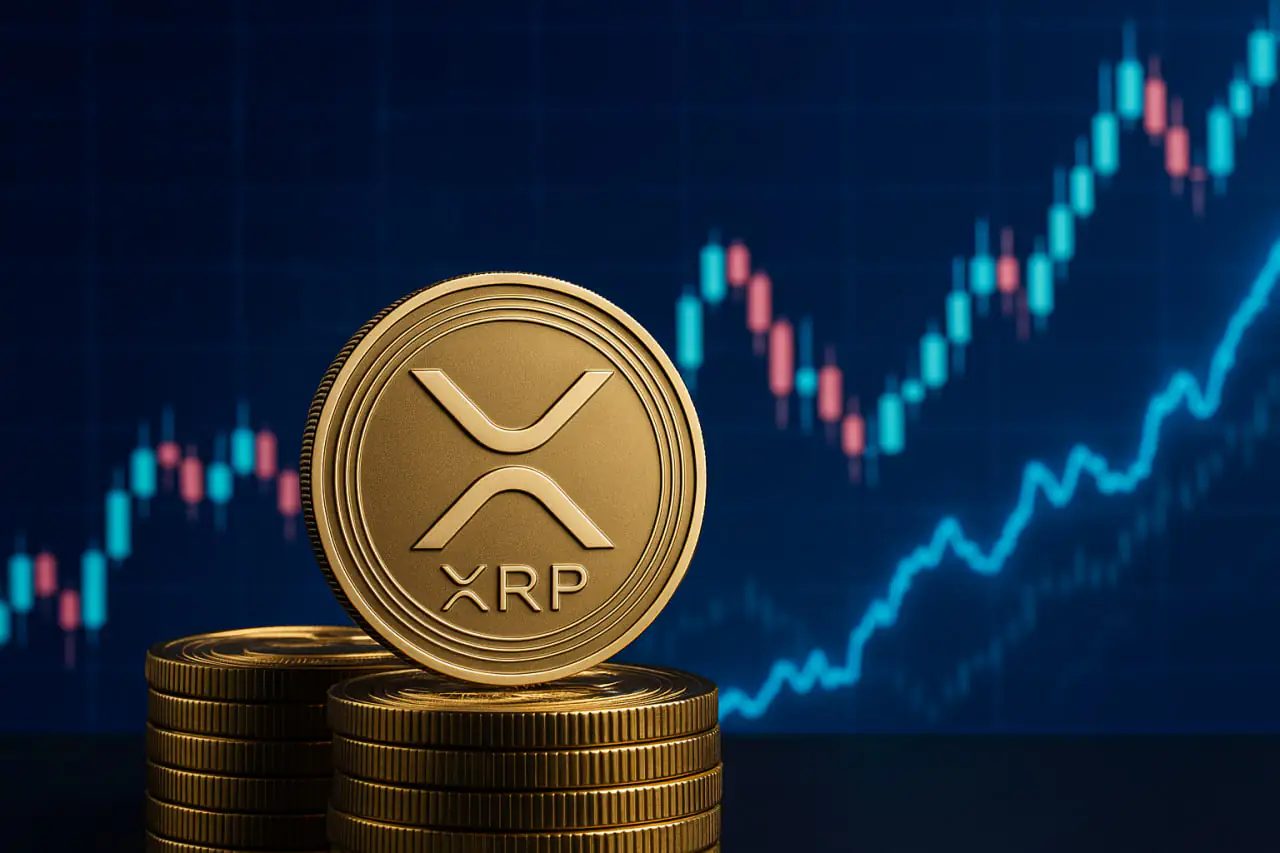
ChatGPT Predicts XRP Price in August
JPMorgan CEO Jamie Dimon defended the move, citing high infrastructure costs and arguing that third parties should contribute financially. But crypto advocates aren’t buying it. Attorney John Deaton blasted Dimon as a long-time crypto adversary, while David Sacks, a presidential crypto advisor, called the developments “concerning.”
The debate comes as legal challenges mount against a 2023 rule requiring banks to provide customer data to third parties for free. With that regulation now on shaky ground, JPMorgan’s fee-based model could become a dangerous precedent—especially for crypto exchanges that depend on frequent data transfers to streamline user onboarding.



Alex is Editor-in-Chief of Coindoo and co-founder of Millennial Media Group, with nearly a decade of experience covering financial markets - crypto first, then everything else. It started in 2016 with Bitcoin. Like most people at the time, he didn't fully understand it - so he kept digging. Blockchain, tokenomics, the projects, the cycles. That curiosity never stopped, and eventually pulled him into traditional markets too: equities, commodities, macro. Not because he left crypto behind, but because you can't properly understand one without the other. What drives him is straightforward: he wants to know why something is happening, not just that it's happening. Most market coverage stops at the headline - price up, price down, here's a chart. Alex finds that kind of reporting actively unhelpful. If you walk away from an article without understanding the mechanism behind the move, what did you actually learn? He holds a degree in Tourism from New Bulgarian University - not the most obvious path into financial markets, but markets have a way of pulling in people who are simply too curious to stay out. He has authored over 200 in-depth analyses and more than 10,000 articles across crypto and traditional finance. He still thinks every day in markets teaches him something new. That's probably why he hasn't stopped.