Why Tokenized Equities Are Becoming a Serious Market Theme

Tokenized equities are gradually moving from concept to early execution, pointing toward a deeper shift in how stocks may eventually trade, settle, and integrate with digital markets.
While the sector remains small compared to other tokenized real-world assets, recent developments suggest the foundations for broader adoption are being laid now rather than later.
- Tokenized equities are moving beyond theory, with real platforms now issuing and distributing blockchain-based stock exposure.
- Regulators are pushing the market toward fully backed, legally recognized tokens rather than synthetic price trackers.
- Two models are emerging: one prioritizing strict onchain compliance and another allowing greater post-issuance flexibility.
What tokenized equities actually represent
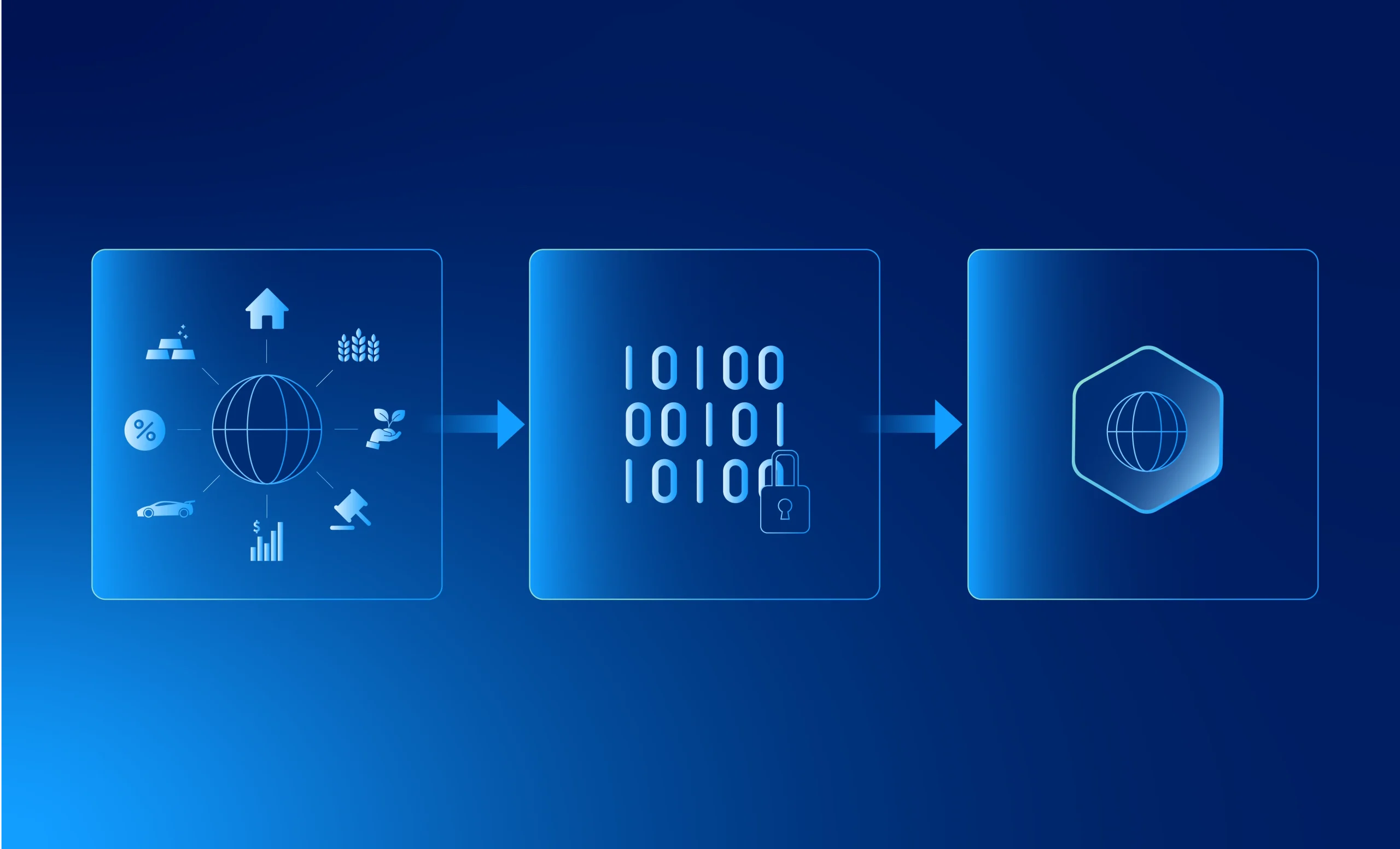
At a basic level, tokenized equities are blockchain-based instruments designed to mirror exposure to publicly traded stocks. Some tokens represent direct legal claims on shares held by regulated custodians, preserving shareholder rights such as dividends or voting. Others rely on derivatives that track price movements without granting ownership. Regulators in both the U.S. and Europe are increasingly favoring the former approach, signaling that fully backed, transparent structures are likely to dominate future growth.
This regulatory preference is pushing the market away from loosely structured synthetics and toward models that more closely resemble traditional securities, just delivered through blockchain infrastructure.
Two models are shaping the market
As tokenized equities evolve, two operating frameworks are emerging. The first is a tightly controlled, “walled garden” approach where compliance is embedded directly into the token. Transfers are restricted to pre-approved, KYC-verified wallets, and assets often remain confined within a single platform. This design prioritizes regulatory certainty but limits broader onchain usability.
The second model allows for greater flexibility after issuance. Tokens are still distributed only to verified users, but once minted, they can move onchain, be self-custodied, and interact with decentralized finance protocols. Compliance in this case shifts toward access controls and monitoring rather than hard-coded transfer locks, opening the door to more composable financial use cases.
2025 developments that changed the tone
Throughout 2025, real-world deployments began to validate both approaches. Retail platforms such as Robinhood introduced tokenized U.S. stocks for non-U.S. users, demonstrating how traditional brokerage interfaces could distribute blockchain-based equities at scale. At the same time, crypto-native venues like Kraken listed tokenized blue-chip stocks issued on high-performance blockchains, allowing these assets to plug directly into DeFi environments.
Traditional market infrastructure also moved closer to tokenization. Institutions such as Nasdaq began piloting blockchain-based settlement systems, not to replace exchanges, but to reduce settlement risk, improve collateral mobility, and streamline back-office processes.
Why scale still looks modest but meaningful
Despite growing momentum, tokenized equities remain small compared to tokenized Treasuries and private credit. However, strategic interest is rising. Major U.S. players, including Coinbase, are actively engaging regulators to define clear approval pathways, signaling that tokenized stocks are increasingly viewed as a long-term priority rather than an experimental product.
The importance of this market lies less in current volumes and more in its trajectory. If regulatory clarity expands, tokenized equities could reshape access to global markets, enable fractional ownership at scale, and allow stocks to function as programmable assets within digital financial systems.
What this could mean going into 2026
With infrastructure, regulatory dialogue, and early distribution models now in place, 2026 may become a decisive year. Tokenized equities could remain a tightly controlled niche, or they could evolve into a core layer connecting traditional capital markets with decentralized finance. The direction will depend on how regulators balance investor protection with innovation and how quickly institutions are willing to rebuild market plumbing on blockchain rails.
The information provided in this article is for educational purposes only and does not constitute financial, investment, or trading advice. Coindoo.com does not endorse or recommend any specific investment strategy or cryptocurrency. Always conduct your own research and consult with a licensed financial advisor before making any investment decisions.



Alex is an experienced financial journalist and cryptocurrency enthusiast. With over 8 years of experience covering the crypto, blockchain, and fintech industries, he is well-versed in the complex and ever-evolving world of digital assets. His insightful and thought-provoking articles provide readers with a clear picture of the latest developments and trends in the market. His approach allows him to break down complex ideas into accessible and in-depth content. Follow his publications to stay up to date with the most important trends and topics.