Why Stablecoins Have Replaced the Bolívar in Venezuela

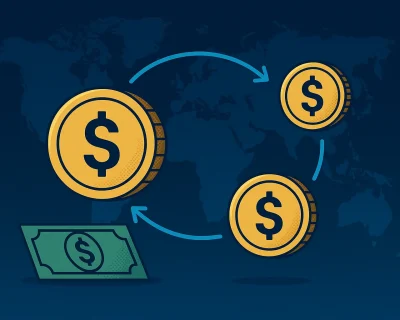
n today’s Venezuela, paying rent, buying groceries, or hiring a gardener often involves sending Tether’s USDt rather than bolívars.

What began as a workaround for a handful of crypto-savvy citizens has transformed into the financial backbone of an entire country.
A Parallel Dollar Economy
The bolívar, battered by years of hyperinflation and capital controls, has become little more than an accounting relic. Instead, Venezuelans talk about three different dollar rates: the official Central Bank price, the street-market price, and the rate on Binance. The latter — often dubbed the “Binance dollar” — has become the most reliable benchmark, used by vendors and consumers alike.
Mauricio Di Bartolomeo, a Venezuelan who left the country before founding the crypto lender Ledn, describes stablecoins as a “better dollar.” Unlike cash, which is scarce and tightly controlled, USDT is liquid, transferable, and trusted across social classes.
Inflation Drives Digital Adoption
With annual inflation surging to 229%, stablecoins have become more than a speculative asset — they are a necessity. Chainalysis reports that 47% of all sub-$10,000 crypto transactions in Venezuela last year involved stablecoins, and overall crypto activity more than doubled. The country ranks #9 in the world for per-capita crypto usage, evidence of how deeply digital money has penetrated everyday life.
Apartment associations now collect fees in stablecoins. Street vendors quote prices in USDT. Even mid-sized businesses prefer it over cash or local bank transfers. Larger state-controlled companies are still tethered to the official exchange rate, but private actors overwhelmingly gravitate toward stablecoin markets.
Sanctions and currency restrictions have only strengthened the trend. Reports suggest some local banks have begun offering USDT directly to favored clients, while oil companies and other large firms are experimenting with stablecoin payments to bypass restrictions.
Capital Controls and Workarounds
Government policies intended to protect the bolívar have instead fueled black markets. Dollars distributed by the regime often end up being resold at higher parallel rates, enriching connected firms. Stablecoins mirror this dynamic: citizens forced to accept bolívars quickly rush to convert them into USDT before prices shift again.
The story is not unique. Across Argentina, Turkey, and Nigeria, similar patterns are emerging: citizens living under unstable currencies are choosing stablecoins as a defense against inflation and as a tool for global access. Venezuela simply offers the clearest example of what happens when fiat fails completely — and digital dollars step in to take its place.
The information provided in this article is for informational purposes only and does not constitute financial, investment, or trading advice. Coindoo.com does not endorse or recommend any specific investment strategy or cryptocurrency. Always conduct your own research and consult with a licensed financial advisor before making any investment decisions.



Alexander Zdravkov is a market analyst and crypto journalist with interests in economics, broader financial markets and digital assets. His journey into crypto began more than four years ago, driven by a fascination with the rapid evolution of blockchain technology and the transformative potential of decentralized finance. He began analyzing market cycles and identifying emerging trends before they reach the mainstream. He holds a degree in International Relations - a background that helped shape his broader perspective on global economics, geopolitics, and the interconnected nature of modern financial markets. Whether covering the latest developments in the crypto sector or exploring broader macroeconomic themes, Alexander focuses on giving readers context rather than simply repeating headlines. During his career, he has authored more than 10,000 articles covering cryptocurrencies, traditional finance, and global market developments. His work spans everything from Bitcoin and altcoins to macroeconomic trends influencing risk assets worldwide.