Why Goldman Sachs Prefers Gold Over Silver and What It Expects in 2026
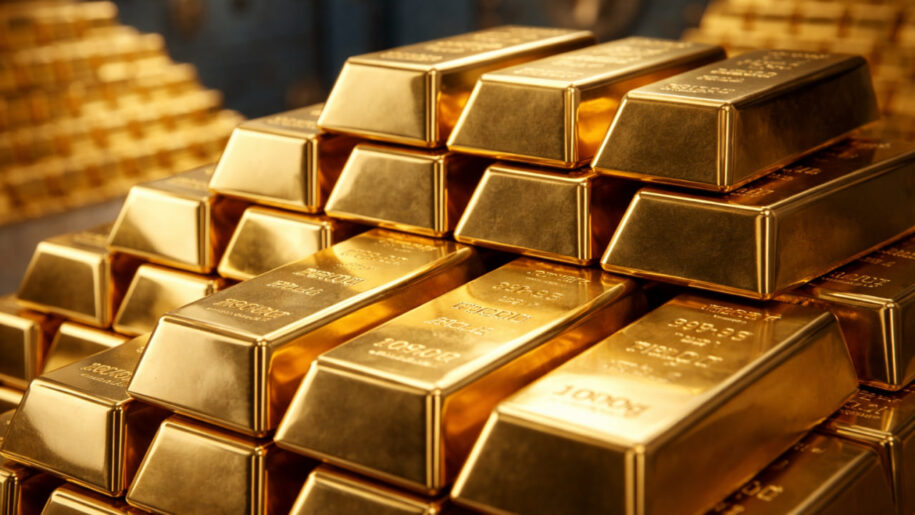
A senior commodities analyst at Goldman Sachs says the gold market has entered a new phase, where private investors are now competing directly with central banks for limited bullion supply.
Key Takeaways
- Private investors are now competing with central banks for gold.
- Fed cuts and fiscal fears are driving the rally and volatility.
- Heavy call option activity is amplifying price swings.
- Goldman Sachs targets $5,200 gold by end-2026.
- Silver faces a liquidity squeeze, causing extreme volatility.
According to Lina Thomas, the latest leg of the bull market has been fueled by two powerful forces. First, expectations that the Federal Reserve will continue cutting rates. Second, rising fears about fiscal sustainability across several Western economies – what traders often call the “debasement trade.” It is this second factor, she argues, that is generating much of the volatility.
Options Frenzy Accelerates the Rally
In January, demand for gold call options surged sharply. As prices climbed, dealers who had sold those options were forced to hedge by buying physical gold and futures. That created a feedback loop – higher prices triggered more dealer buying, which pushed prices even higher.
The dynamic reversed after the announcement that Kevin Warsh would become the new Fed Chair. That eased some inflation and debasement concerns, leading to price weakness. But as gold fell, dealers who had previously been buying to hedge began selling into the decline. Stop-loss levels were triggered, amplifying the pullback.
Thomas notes that significant call option activity has also appeared in gold ETFs, adding another layer of leverage-driven volatility.
Despite the turbulence, Goldman remains bullish. The bank expects gold to reach $5,200 by the end of 2026. That forecast assumes central banks maintain their current pace of purchases and that private investors continue allocating capital during expected Fed rate cuts.
However, she warns that diversification via call options tends to create sharper price swings. More volatility is likely ahead.
London’s Shrinking Silver Buffer
London remains the global capital of gold pricing, with benchmarks and major vault infrastructure based there. But liquidity conditions in silver are becoming increasingly tight.
Roughly half of the silver stored in London vaults is already allocated – meaning it is owned and unavailable for trading. The remaining half functions as a liquidity buffer. That buffer has been shrinking over time, as traders moved silver to the U.S. in anticipation of potential tariffs.
Around mid-2025, when the Fed began cutting rates, investor enthusiasm for silver surged. The “catch-up to gold” narrative and debasement fears attracted heavy flows into a market already suffering from thin liquidity.
Each new wave of demand has pushed inventories closer to depletion, triggering extreme price swings. Goldman does not expect liquidity to normalize soon, suggesting silver volatility could persist.
Gold Preferred Over Silver
Thomas stresses that the bank does not expect a commodity supercycle led by gold. Gold supply is structurally constrained – production cannot simply be scaled up quickly. In contrast, other commodities respond to higher prices with increased output, meaning price spikes often prove temporary.
She adds that gold benefits from structural demand from central banks, which is more durable than institutional flows. Silver, by comparison, is experiencing a liquidity squeeze that many investors may struggle to stomach.
The same “insurance demand” driving gold is spreading into other commodity markets. Stockpiling, tariffs, export controls and state-backed investment strategies are fragmenting global trade flows and increasing volatility – as silver vividly demonstrates.
To gauge gold’s next move, Goldman is watching two key factors: central bank buying, which may slow slightly as volatility rises, and the options market, where heavy call positioning can fuel rapid rallies followed by sharp pullbacks.
For now, the bank maintains stronger conviction in gold than silver, even as both markets brace for continued turbulence.
The information provided in this article is for educational purposes only and does not constitute financial, investment, or trading advice. Coindoo.com does not endorse or recommend any specific investment strategy or cryptocurrency. Always conduct your own research and consult with a licensed financial advisor before making any investment decisions.



Alex is an experienced financial journalist and cryptocurrency enthusiast. With over 8 years of experience covering the crypto, blockchain, and fintech industries, he is well-versed in the complex and ever-evolving world of digital assets. His insightful and thought-provoking articles provide readers with a clear picture of the latest developments and trends in the market. His approach allows him to break down complex ideas into accessible and in-depth content. Follow his publications to stay up to date with the most important trends and topics.