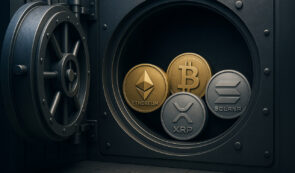
What to Look For When Choosing Crypto Brokers in the UK

Choosing the right crypto broker in the UK is one of the most important steps for anyone who wants to trade or invest in digital currencies.
A good broker offers a safe platform, fair pricing, and tools that help you trade with confidence rather than guesswork.
The UK’s crypto market is expanding, with more people turning to digital assets for diversification and long-term growth. But not all brokers are equal. Some focus on quick sign-ups or high leverage, while others prioritise regulation, education, and security. Knowing what to look for helps protect your funds and improve your trading experience.
What Is a Crypto Broker?
A crypto broker is a company that helps people buy and sell cryptocurrencies. Instead of using a complex exchange, you can trade through a broker’s website or app. This gives you easy access to popular coins like Bitcoin, Ethereum, or Solana.
Many UK brokers also offer CFDs (Contracts for Difference), which let you trade on price movements without owning the coins. The main benefit of using a regulated broker is security. Your money and personal data are protected under UK law. That’s why it’s essential to check that a platform is authorised before you invest.
If you’re comparing crypto brokers in the UK, make sure they are licensed and follow FCA rules.
Why Regulation Matters
In the UK, the Financial Conduct Authority (FCA) helps keep crypto trading safe and fair. A broker regulated by the FCA must follow strict rules to protect your funds and personal information. These include:
- Keeping client money in separate accounts.
- Verifying customer identity to prevent fraud.
- Following anti–money laundering laws.
These safeguards protect you if the company runs into problems. Unregulated or offshore brokers often provide no legal protection at all.
Regulation in the UK is also evolving. The crypto ETN market reopened, giving traders more options under stronger oversight. It shows how tighter rules can build safer opportunities for investors.
How to Compare Fees and Spreads
Even small fees can make a difference over time, so it’s important to understand what you’ll pay. Most brokers make money through “spreads,” which is the gap between the buy and sell prices, or through small trade commissions.
When you compare brokers:
- Check spreads on major coins like BTC/GBP and ETH/GBP. Smaller spreads usually mean better value.
- Review deposit and withdrawal fees, as these vary between providers.
- Watch for overnight fees if you use leverage or hold trades open for longer.
Knowing these costs helps you plan better and manage your trading budget.
How Easy Is the Platform to Use?
A good trading platform should be simple and reliable. Beginners need a clean layout that avoids confusion, while experienced traders may want more advanced features.
Look for platforms that offer:
- Real-time market data and price alerts.
- Demo accounts to practise without risk.
- Customisable charts and technical indicators.
- Mobile apps with full trading access.
Speed is also crucial. Even a slight delay can affect the outcome of a trade in fast-moving markets.
Security You Should Expect
Security should be a top priority. Trusted brokers use two-factor authentication (2FA), encryption, and cold storage for customer funds. These measures reduce the risk of hacking and data theft.
Good brokers never store passwords in plain text or share your information with third parties. Check whether the platform has completed independent security audits or holds ISO certification. Always choose brokers that clearly follow FCA standards and explain how they protect user data.
Coins and Markets Available
Not all brokers offer the same range of cryptocurrencies. Some focus on major assets like Bitcoin and Ethereum, while others include smaller coins and stablecoins. A balanced selection helps you spread risk and find more opportunities.
However, more isn’t always better. Avoid platforms that list hundreds of unknown coins with low trading volume or little information. Quality and liquidity matter more than quantity.
Recently, large firms have expanded their crypto services. For example, a London broker launched spot trading, giving UK investors direct access to digital assets. It’s a good example of how regulated brokers are adapting to growing demand in a safe and transparent way.
Leverage, Margin, and Risk Tools
Leverage allows traders to control more money than they deposit, increasing both potential profits and losses. In the UK, the FCA limits crypto CFD leverage to 2:1 for retail traders to keep risks low.
Good brokers provide built-in tools to manage risk, such as:
- Stop-loss orders that close trades when losses reach a set level.
- Take-profit orders that lock in gains once your goal is hit.
- Negative balance protection to ensure you never lose more than your deposit.
Using these tools helps you trade with discipline and avoid emotional decisions.
Deposits, Withdrawals, and Support
Professional brokers make payments and withdrawals quick and simple. Look for:
- Local payment options, such as bank transfers or debit cards.
- Fast withdrawals, typically within one to three working days.
- Clear minimum and maximum deposit rules.
Customer support is another good indicator of reliability. The best brokers offer live chat or UK-based phone support, not just email. Quick, helpful responses show the company values its clients.
Learning and Market Insights
Good brokers don’t just offer trading tools. They help you learn. Many provide tutorials, webinars, and expert insights to help you understand crypto markets and trading strategies.
Educational content builds confidence and helps you avoid mistakes, especially for beginners. A broker that publishes regular research and updates is usually focused on long-term success for its users.
Trust and Transparency
Before depositing any money, take time to research the broker. Look at independent audits, user reviews, and public reports. Avoid platforms that promise “guaranteed profits” or rely on flashy marketing.
Reliable brokers are transparent about who owns the company, where it’s registered, and how it operates. Consistency across their website and official channels is a sign of trustworthiness.
Final Thoughts
Finding the right crypto broker in the UK isn’t about chasing low fees or trending coins. The best brokers prioritise safety, honesty, and reliable service. A company regulated by the FCA with a solid reputation and clear risk controls is always the smarter choice.
As crypto becomes part of mainstream finance, trustworthy brokers will stand out for their fairness and security. Doing careful research today helps you trade confidently and build a safer path toward your financial goals.



Kosta joined the team in 2021 and quickly established himself with his thirst for knowledge, incredible dedication, and analytical thinking. He not only covers a wide range of current topics, but also writes excellent reviews, PR articles, and educational materials. His articles are also quoted by other news agencies.