Vitalik Buterin Says Today’s DAOs Are Not Good Enough
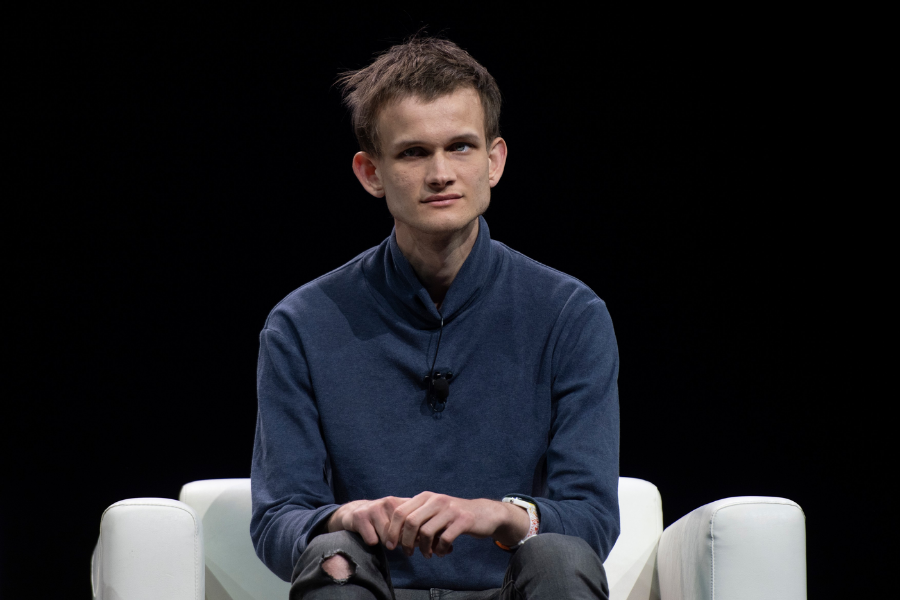
Vitalik Buterin wants the crypto world to stop treating DAOs as finished products and start seeing them as an unsolved design problem.
In a recent post, the Vitalik Buterin argued that decentralized autonomous organizations have drifted far from the ambition that helped spark Ethereum in the first place. DAOs were meant to outperform traditional institutions at coordination and governance. Instead, many have settled into rigid voting machines that mirror the very systems they were supposed to replace.
- Vitalik Buterin says today’s DAOs have drifted away from their original purpose and need fundamental redesign.
- Token-based voting and current oracle systems create structural limits and governance fatigue.
- Privacy tools, selective AI use, and stronger communication layers are key to building better DAOs.
From bold idea to blunt tool
Buterin’s critique starts with how DAOs are commonly implemented today. Most rely on token-weighted voting to control treasuries and steer decisions. While functional, he believes this approach exposes the same weaknesses found in corporate boards and political systems: slow processes, power concentration, and disengaged participants.
Over time, this has eroded confidence. Many contributors now see DAOs as bureaucratic rather than innovative, leading to skepticism about whether decentralized governance can truly scale.
The deeper technical gap
Rather than focusing only on governance mechanics, Buterin shifted attention to infrastructure problems that DAOs are expected to solve – but currently cannot. One example is oracles, which feed real-world data into blockchains.
He warned that most oracle systems used today are structurally limited. Because token-based oracles can only be as secure as their market value, they struggle to protect large pools of capital without imposing heavy costs. This weakness, he argued, affects core DeFi building blocks like decentralized stablecoins and prediction markets, which still rest on fragile assumptions.
What DAOs should actually be doing
Buterin outlined a broader role for next-generation DAOs, far beyond treasury votes. He pointed to areas such as onchain dispute resolution for complex contracts like insurance, maintaining trusted registries of verified software and token addresses, and coordinating rapid funding for short-lived but high-impact initiatives.
Another overlooked challenge is longevity. Many decentralized projects lose momentum once their original contributors step away. Better DAO structures, he suggested, could help ensure long-term maintenance without relying on informal leadership or centralized foundations.

Why progress keeps stalling
Two human constraints stand in the way: lack of privacy and decision overload.
Public voting, Buterin argued, turns governance into a social performance, where signaling and peer pressure distort outcomes. At the same time, asking participants to weigh in constantly leads to burnout. Engagement spikes early, then fades as staying informed becomes a chore.
A different design path
Buterin sees promise in emerging tools, but with restraint. Zero-knowledge proofs could allow private yet accountable governance. AI could help filter information and reduce cognitive strain – not by replacing humans, but by supporting better judgment.
Equally important, he emphasized, is communication. DAOs need built-in spaces for discussion, coordination, and context-setting. Governance does not start with a vote, he argued – it starts with shared understanding.
The takeaway from Buterin’s message is not incremental improvement, but reinvention. If DAOs are meant to underpin a decentralized future, they must be designed with the same rigor as the blockchains they run on – otherwise, they risk becoming just another layer of digital bureaucracy.
The information provided in this article is for educational purposes only and does not constitute financial, investment, or trading advice. Coindoo.com does not endorse or recommend any specific investment strategy or cryptocurrency. Always conduct your own research and consult with a licensed financial advisor before making any investment decisions.


Kosta joined the team in 2021 and quickly established himself with his thirst for knowledge, incredible dedication, and analytical thinking. He not only covers a wide range of current topics, but also writes excellent reviews, PR articles, and educational materials. His articles are also quoted by other news agencies.