US Rolls Back 25% India Tariff Following Russian Oil Cut

Washington has moved to ease trade pressure on India after New Delhi agreed to overhaul its energy sourcing and strengthen economic ties with the United States.
- The US lifted an extra 25% tariff on Indian goods after India agreed to cut Russian oil imports and buy more US energy.
- The move lowers India’s overall tariff burden and marks a reset in trade ties under President Donald Trump.
- India will ramp up purchases of American energy, aircraft, and technology as part of a broader strategic partnership.
President Donald Trump signed an executive order removing an additional 25% tariff that had been weighing on Indian exports, a step US officials described as conditional on India’s policy commitments.
The decision cuts India’s effective tariff rate to roughly 18%, reversing one of the harshest trade measures imposed on a major Asian economy in recent years.
Pressure over Russian oil eases
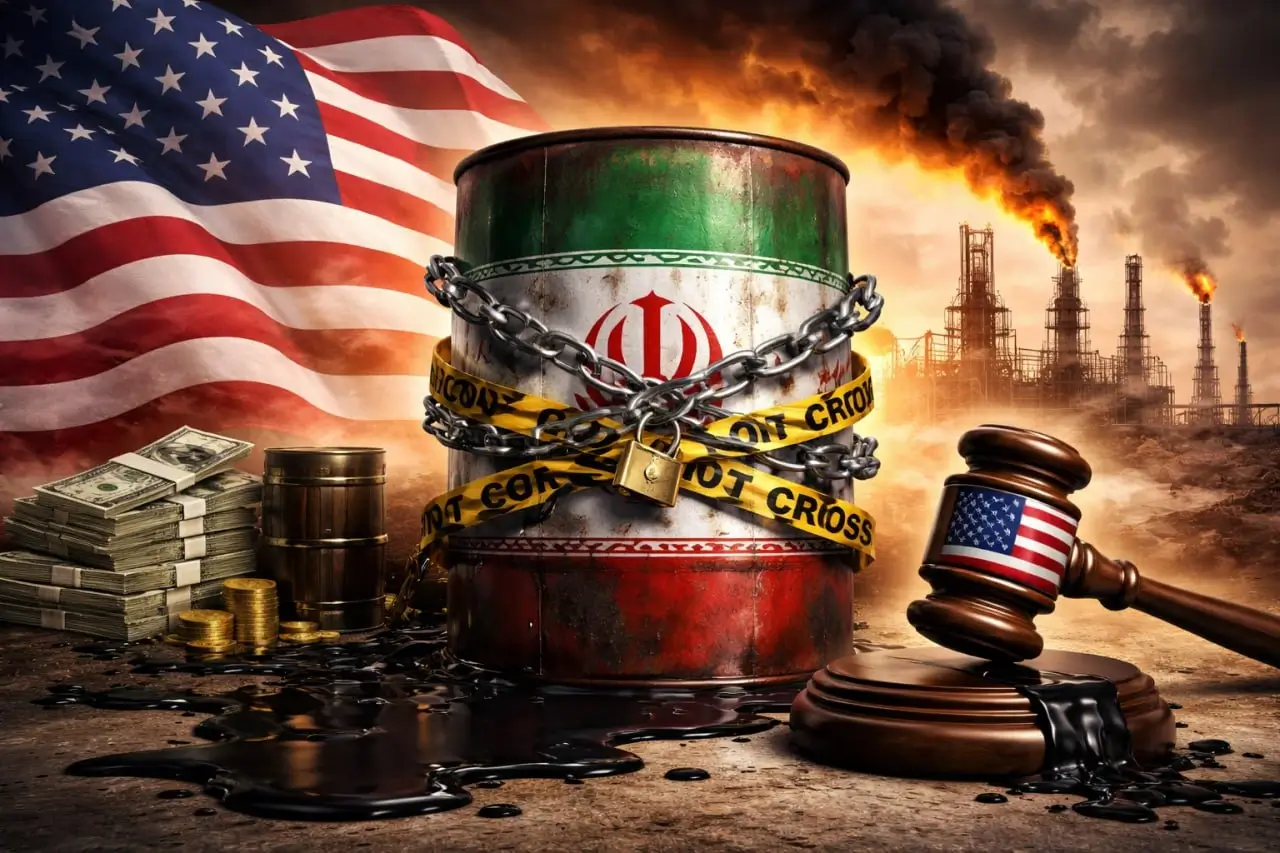
The tariff surcharge was originally introduced as leverage to push India away from large-scale purchases of Russian crude. That pressure has now eased after India pledged to stop both direct and indirect imports of Russian oil, aligning more closely with US geopolitical objectives.
According to the White House, India will instead increase purchases of American energy products, including oil and gas, reshaping its import mix while reinforcing bilateral energy cooperation.
Trade barriers begin to unwind
The rollback comes after direct engagement between Trump and Indian Prime Minister Narendra Modi earlier this week. That conversation paved the way for a broader trade understanding aimed at lowering frictions that had escalated since last summer.
At their peak, combined US tariffs on certain Indian goods had climbed toward 50%, creating significant strain for exporters and drawing criticism from New Delhi.
India commits to US purchases
As part of the revised framework, India has committed to expanding imports of American goods, with total purchases projected at around $500 billion over the next five years. These are expected to span energy, aircraft and aviation components, technology products, precious metals, and industrial materials such as coking coal.
India has also agreed to scale back trade barriers affecting US agricultural goods, chemicals, medical devices, and manufactured products, while receiving more favorable access for select auto parts and generic pharmaceuticals.
Beyond tariffs: tech and defense
The agreement reaches well beyond customs duties. Both countries plan to deepen cooperation in advanced technologies, including semiconductors, digital infrastructure, and data-center development. Defense collaboration is also set to expand over the coming decade, reinforcing India’s role as a strategic partner in the region.
US officials noted that while the headline investment figures combine existing and new projects, future activity is likely to concentrate in energy, technology, and infrastructure.
Strategic partnership takes shape
The tariff rollback follows India’s recent free-trade agreement with the European Union and comes as global trade relationships are being reshaped by shifting US policies. For Washington, closer ties with India offer both commercial benefits and long-term strategic leverage.
While many details of the deal are still being finalized, the removal of the extra 25% tariff marks a clear turning point, signaling a move away from confrontation and toward a more durable US–India economic partnership.
The information provided in this article is for educational purposes only and does not constitute financial, investment, or trading advice. Coindoo.com does not endorse or recommend any specific investment strategy or cryptocurrency. Always conduct your own research and consult with a licensed financial advisor before making any investment decisions.



Alex is an experienced financial journalist and cryptocurrency enthusiast. With over 8 years of experience covering the crypto, blockchain, and fintech industries, he is well-versed in the complex and ever-evolving world of digital assets. His insightful and thought-provoking articles provide readers with a clear picture of the latest developments and trends in the market. His approach allows him to break down complex ideas into accessible and in-depth content. Follow his publications to stay up to date with the most important trends and topics.