UAE Beats the West to the Punch as First Central Bank-Registered Dollar Stablecoin Goes Live
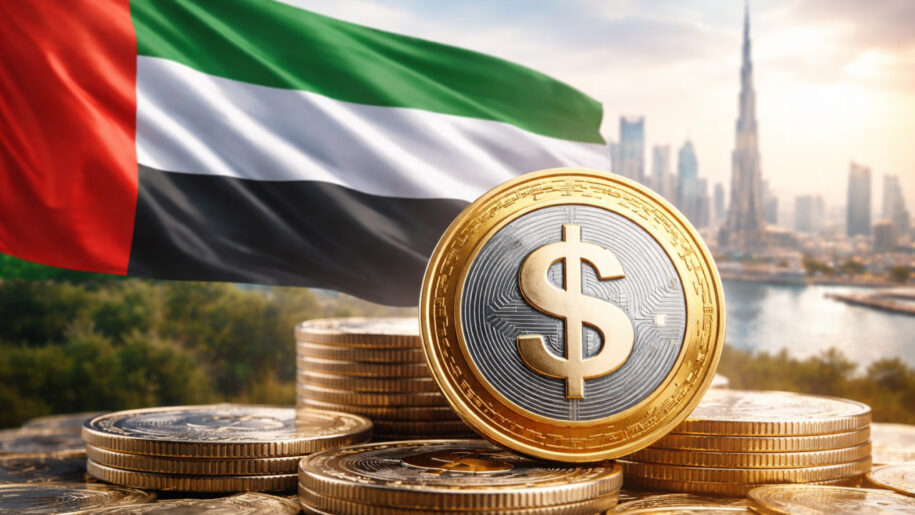
A US dollar-backed stablecoin has cleared one of the most significant regulatory hurdles in digital finance - not in New York, not in Brussels, but in Abu Dhabi.
Key Takeaways
- USDU is the first USD-backed stablecoin registered by the UAE Central Bank, now live on Crypto.com
- It operates under dual oversight from ADGM’s FSRA and the CBUAE – restricted to institutional use
- The UAE is moving faster than the US and EU in establishing clear central bank-approved stablecoin frameworks
- A global regulatory shift is underway, with the EU, Singapore, Hong Kong, Japan, and the US all formalizing stablecoin rules
USDU, issued by Universal Digital, is now available on Crypto.com following its registration with the Central Bank of the UAE as a Foreign Payment Token under the Payment Token Services Regulation, as per a LinkedIn post. It is the first USD-backed token to meet that bar. No other dollar stablecoin currently holds equivalent standing under UAE central bank requirements.
The token operates under a dual regulatory structure – licensed by Abu Dhabi Global Market’s Financial Services Regulatory Authority and separately registered with the CBUAE. Its use is deliberately narrow: USDU is intended for institutional and professional participants, not retail consumers. Under UAE law, payments for digital assets and derivatives must be settled in fiat or a registered foreign payment token, making USDU a required instrument for compliant operations.
USDU is issued as an ERC-20 token on Ethereum, fully backed 1:1 by US dollar reserves held at Emirates NBD and Mashreq. A global accounting firm conducts independent monthly attestations of those reserves. As of late March 2026, market capitalization sits between $97.5 million and $98.8 million, with circulating supply tracking at roughly 97.6 million to 98.7 million tokens.
The UAE’s Broader Stablecoin Push
USDU is the latest addition to an expanding roster of regulated digital currencies in the country. AE Coin launched in late 2024 as the first licensed dirham-pegged stablecoin. Zand Bank followed in November 2025 with its own dirham-denominated token. First Abu Dhabi Bank and Emirates NBD have both signaled intentions to enter the space, with Emirates NBD already enabling crypto trading through its digital bank, Liv, since March 2025.
Analysts argue the UAE holds a structural advantage over the US and Europe – not because of market size, but regulatory clarity. The CBUAE provided a defined path for central bank-approved dollar tokens while comparable frameworks elsewhere were still being debated.
UAE’s Regulatory Framework
Federal Decree Law No. 6 of 2025, effective September 2025, brings all virtual asset activity – including DeFi, stablecoins, and blockchain infrastructure – under direct CBUAE supervision.
Every crypto or blockchain-related business must now obtain a federal license, with existing firms given until September 2026 to comply – those that don’t face fines of up to AED 1 billion (~$272 million).
Dubai’s VARA and the Securities and Commodities Authority now share a licensing framework – entities licensed by VARA are automatically registered with the SCA for UAE-wide operations, excluding DIFC and ADGM. Updated rulebooks in effect since June 2025 tighten requirements on custody, lending, and transaction reporting. Virtual asset transfers and conversions are now largely VAT-exempt.
The DIFC shifted its approach in January 2026, dropping its recognized crypto token list and placing suitability assessments on individual firms. Fiat-backed stablecoins still require direct DFSA approval. Privacy tokens and algorithmic stablecoins remain prohibited. In ADGM, new rules for fiat-referenced tokens took effect January 1, 2026, targeting emerging stablecoin business models specifically.
USDU’s listing on Crypto.com marks the first time a dollar-backed token has cleared a Gulf central bank’s registration process and reached a major exchange under that status. Whether it translates into significant institutional uptake remains to be seen.
The information provided in this article is for educational purposes only and does not constitute financial, investment, or trading advice. Coindoo.com does not endorse or recommend any specific investment strategy or cryptocurrency. Always conduct your own research and consult with a licensed financial advisor before making any investment decisions.



Alex is an experienced financial journalist and cryptocurrency enthusiast. With over 8 years of experience covering the crypto, blockchain, and fintech industries, he is well-versed in the complex and ever-evolving world of digital assets. His insightful and thought-provoking articles provide readers with a clear picture of the latest developments and trends in the market. His approach allows him to break down complex ideas into accessible and in-depth content. Follow his publications to stay up to date with the most important trends and topics.