U.S. Derivatives Markets Embrace Crypto Collateral Under CFTC Pilot
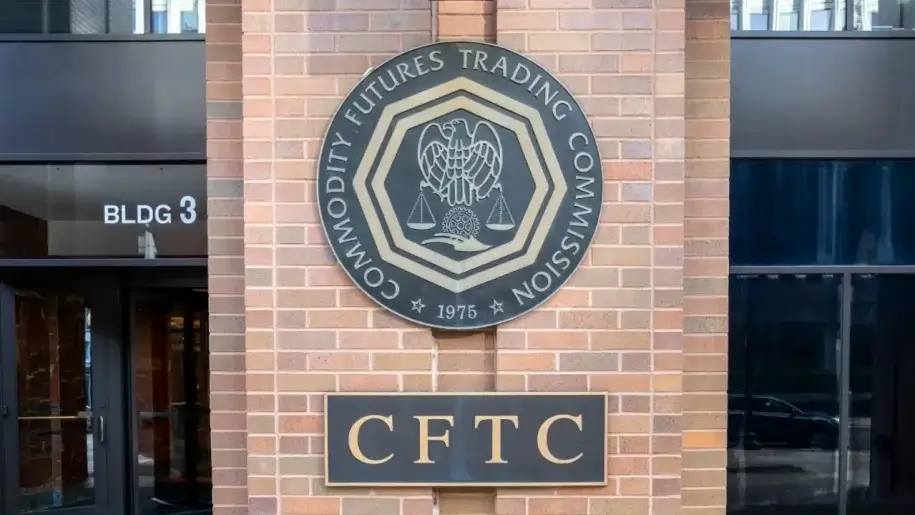
The effort to embed digital assets into mainstream financial systems advanced this week as the Commodity Futures Trading Commission introduced a pilot program that allows bitcoin, ether and USDC to be posted as collateral across regulated derivatives platforms.
Acting Chairman Caroline Pham also issued guidance for tokenized assets and scrapped legacy restrictions that were rendered obsolete by the GENIUS Act.
- The CFTC approved a pilot allowing BTC, ETH and USDC as regulated collateral.
- Digital asset leaders hailed the move as long-awaited clarity.
- Firms face a three-month reporting period while the agency monitors adoption.
- Legacy virtual-asset restrictions were withdrawn to align with the GENIUS Act.
Pham framed the initiative as a move to attract crypto trading activity back into U.S. oversight rather than ceding it to offshore venues. The rollout follows her earlier push to enable spot crypto trading on CFTC-registered exchanges, and now expands into futures and swaps markets with defined guardrails around margin and collateral usage.
Industry Reactions Signal Major Turning Point
Reactions from across the industry were overwhelmingly supportive. Coinbase legal chief Paul Grewal argued that the announcement validates what the sector has long claimed—tokenized assets reduce risk and settlement costs.
Circle President Heath Tarbert praised the framework for enabling continuous risk management, while Crypto.com CEO Kris Marszalek described it as a milestone that finally aligns the United States with practices already common abroad. Ripple’s stablecoin lead Jack McDonald added that capital efficiency and institutional adoption depend on exactly this kind of legal clarity.
How the Pilot Will Operate
The pilot authorizes registered clearing intermediaries to accept bitcoin, ether and USDC as collateral while the CFTC monitors reporting over an initial three-month period. During this stage, firms must provide weekly updates showing how much of each token is held across account categories and notify the agency of any operational disruptions. After the review period, regulators may expand access to additional assets.

The Commission also issued broad guidance applying to tokenized representations of traditional instruments such as U.S. Treasuries and money market assets. Officials stressed that CFTC rules remain technology-neutral, indicating that tokenized collateral must meet existing standards for enforceability, custody, valuation and risk controls rather than being treated as an exception to the rulebook.
Outdated Restrictions Removed
As part of the overhaul, the CFTC withdrew a 2020 advisory that once limited intermediaries from accepting digital assets in customer accounts. Regulators said the GENIUS Act and the evolution of tokenized markets made the old policy outdated. The new framework reflects input from clearinghouses, trading venues, advisory committees and industry working groups convened under Pham.
Supporters argue that the pilot could vastly improve how collateral moves through markets by enabling 24/7 settlement instead of waiting on traditional banking hours. Others view the decision as the clearest sign yet that U.S. regulators are preparing for a tokenized financial system rather than resisting it.
The information provided in this article is for educational purposes only and does not constitute financial, investment, or trading advice. Coindoo.com does not endorse or recommend any specific investment strategy or cryptocurrency. Always conduct your own research and consult with a licensed financial advisor before making any investment decisions.



Alex is Editor-in-Chief of Coindoo and co-founder of Millennial Media Group, with nearly a decade of experience covering financial markets - crypto first, then everything else. It started in 2016 with Bitcoin. Like most people at the time, he didn't fully understand it - so he kept digging. Blockchain, tokenomics, the projects, the cycles. That curiosity never stopped, and eventually pulled him into traditional markets too: equities, commodities, macro. Not because he left crypto behind, but because you can't properly understand one without the other. What drives him is straightforward: he wants to know why something is happening, not just that it's happening. Most market coverage stops at the headline - price up, price down, here's a chart. Alex finds that kind of reporting actively unhelpful. If you walk away from an article without understanding the mechanism behind the move, what did you actually learn? He holds a degree in Tourism from New Bulgarian University - not the most obvious path into financial markets, but markets have a way of pulling in people who are simply too curious to stay out. He has authored over 200 in-depth analyses and more than 10,000 articles across crypto and traditional finance. He still thinks every day in markets teaches him something new. That's probably why he hasn't stopped.