U.S. Crypto Market Rules Face Delay as 2026 Elections Loom

Washington’s effort to establish a clear regulatory framework for crypto markets may be slowing for political reasons rather than technical disagreements.
According to analysis from TD Cowen, the biggest hurdle facing the digital asset market structure bill is the approaching 2026 U.S. midterm elections, which are reshaping incentives inside Congress.
Key Takeaways
- TD Cowen warns the 2026 midterms could delay U.S. crypto market structure legislation until 2027 or later.
- Political risk, not policy design, is seen as the main obstacle to passing the bill.
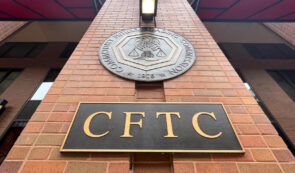
- If enacted, the framework would shift more crypto oversight to the CFTC and away from the SEC.
TD Cowen’s Washington Research Group argues that lawmakers are increasingly cautious about pushing major bipartisan legislation ahead of an election cycle that could alter the balance of power. As a result, the bank sees a stronger chance of passage in 2027, with real-world implementation potentially delayed until 2029. That outlook extends regulatory uncertainty for the crypto industry, which has long sought clearer federal rules.
A Bill Caught Between Two Chambers
While the House has already approved its version of the framework under the CLARITY Act, the Senate is advancing similar legislation under the name Responsible Financial Innovation Act. Despite broad agreement on the need for structure, the Senate version faces a more complex political environment, where timing may matter more than substance.
TD Cowen suggests that Senate Democrats, in particular, may be reluctant to provide the votes needed to move the bill forward before the midterms. With election outcomes uncertain, delaying action preserves negotiating leverage and avoids difficult compromises that could carry political risks.
Conflict-of-Interest Provisions Add Friction
Ethics concerns have added another layer of tension to the debate. A bipartisan draft released by the Senate Agriculture Committee included conflict-of-interest safeguards aimed at limiting crypto involvement by senior officials, including Donald Trump and members of his family.
These provisions have become a focal point for Democratic lawmakers who have raised questions about Trump’s past connections to crypto ventures and industry participants. Rather than resolving the issue now, TD Cowen suggests lawmakers may prefer to let time dilute the controversy, especially if the bill’s effective date is pushed several years into the future.

Delay as a Political Compromise
According to TD Cowen, postponement itself may become the path to consensus. By waiting until after the midterms, Democrats can avoid making concessions ahead of voters, while Republicans retain the possibility of negotiating from a stronger position depending on election results. In this scenario, both sides accept delay as the least risky option.
That strategy, however, leaves the crypto sector in limbo. Firms may need to accept that final regulatory rules will depend not just on policy debates, but on electoral outcomes and shifting political control.
What Passage Would Ultimately Change
Despite the uncertainty, the legislative process is still moving forward at a procedural level. The Responsible Financial Innovation Act is awaiting markups in both the Senate Banking Committee and the Senate Agriculture Committee, with early January mentioned as a possible starting point.
If enacted, the bill would significantly reshape U.S. crypto oversight by expanding the authority of the Commodity Futures Trading Commission while reducing the regulatory reach of the Securities and Exchange Commission. For now, TD Cowen’s outlook suggests that crypto regulation in the U.S. is less about imminent reform and more about waiting for the political calendar to turn.
The information provided in this article is for educational purposes only and does not constitute financial, investment, or trading advice. Coindoo.com does not endorse or recommend any specific investment strategy or cryptocurrency. Always conduct your own research and consult with a licensed financial advisor before making any investment decisions.



Alexander Zdravkov is a person who always looks for the logic behind things. He has more than 3 years of experience in the crypto space, where he skillfully identifies new trends in the world of digital currencies. Whether providing in-depth analysis or daily reports on all topics, his deep understanding and enthusiasm for what he does make him a valuable member of the team.