U.S. Court Announces 15-Year Prison Sentence for Do Kwon
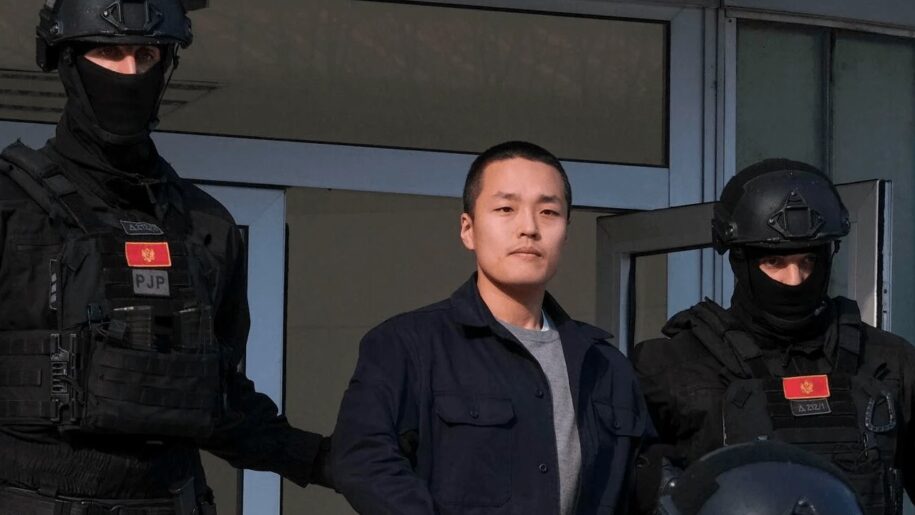
Do Kwon, once a celebrated figure behind the Terra blockchain, was ordered to spend 15 years in a U.S. federal prison on Wednesday, closing a dramatic chapter in a saga that reshaped the cryptocurrency landscape.
The ruling came more than two years after Terra’s sudden implosion wiped out massive amounts of wealth and unleashed a wave of market failures.
- Do Kwon was sentenced to 15 years in U.S. federal prison for fraud tied to TerraUSD.
- Terra’s collapse set off a major chain reaction across the crypto market in 2022.
- The judge questioned how a future transfer to South Korea would affect his remaining sentence.
- Kwon will get limited credit for time served in Montenegro.
Judge Paul Engelmeyer of the Southern District of New York delivered the sentence after a lengthy hearing filled with emotional testimony. Individuals who lost savings, businesses, and future plans because of Terra’s collapse detailed the long-lasting damage they suffered. Their accounts weighed heavily as the court opted for a significantly harsher sentence than what Kwon’s attorneys had requested.
Before Kwon can attempt to relocate to South Korea — where more legal challenges await — he must complete at least half of his sentence in the United States.
Admission of Fraud and a Narrowed Criminal Case
Kwon pleaded guilty earlier this year, admitting that the system he architected misled investors about the true nature and stability of the TerraUSD (UST) stablecoin. His plea consolidated what was originally a sprawling nine-count indictment into two charges tied to securities, commodities, and wire fraud.
Without the plea agreement, Kwon could have faced up to 135 years in prison if convicted on all counts. The negotiated arrangement reduced the maximum to 25 years, though prosecutors recommended 12. The judge ultimately opted for a tougher penalty after reviewing the consequences of Terra’s downfall and the scale of deception involved.
Terra’s Collapse and Its Ripple Effects on the Industry
The breakdown of UST in May 2022 triggered one of the fastest and most devastating chain reactions in crypto history. In a matter of days, roughly $50 billion in value evaporated. The shockwaves toppled trading firms, crushed lending platforms, and ultimately contributed to the collapse of major institutions that followed, including FTX several months later.

Former FTX CEO Sam Bankman-Fried is now serving 25 years for fraud tied to his exchange’s implosion, while Celsius founder Alex Mashinsky is serving a 12-year sentence. Many observers consider the Terra implosion the event that destabilized the broader ecosystem and exposed structural weaknesses across the sector.
Judge Questions International Consequences
A notable part of the court’s deliberations centered on what happens after Kwon finishes part of his sentence. Judge Engelmeyer sought assurances that the U.S. would not lose control over the remaining years if Kwon were transferred to South Korea. The court also asked for clarity on whether he still faces active charges there and whether any pending cases could result in additional punishment.
Another point of discussion was how the U.S. Bureau of Prisons would treat the 17 months Kwon spent in custody in Montenegro, where he was detained while traveling with falsified documents. Prosecutors explained that he will only receive credit for time exceeding the four months he served for passport-related offenses, though the exact adjustment remains undecided.
A Case That Will Shape Crypto Accountability
With sentencing now complete, Kwon transitions from global fugitive and industry figurehead to long-term inmate. Yet his legal battles are not over — the next stage will unfold in South Korea, where authorities still intend to prosecute him.
For regulators, investors, and developers across the digital asset world, the case stands as a turning point. It signals that high-profile crypto founders may face severe criminal consequences when their projects collapse under fraudulent practices, and it reinforces a growing expectation of personal accountability within the sector’s leadership.
The information provided in this article is for educational purposes only and does not constitute financial, investment, or trading advice. Coindoo.com does not endorse or recommend any specific investment strategy or cryptocurrency. Always conduct your own research and consult with a licensed financial advisor before making any investment decisions.



Alex is an experienced financial journalist and cryptocurrency enthusiast. With over 8 years of experience covering the crypto, blockchain, and fintech industries, he is well-versed in the complex and ever-evolving world of digital assets. His insightful and thought-provoking articles provide readers with a clear picture of the latest developments and trends in the market. His approach allows him to break down complex ideas into accessible and in-depth content. Follow his publications to stay up to date with the most important trends and topics.