Trump Speech Sends Oil Markets on Alert Over Venezuela Claims
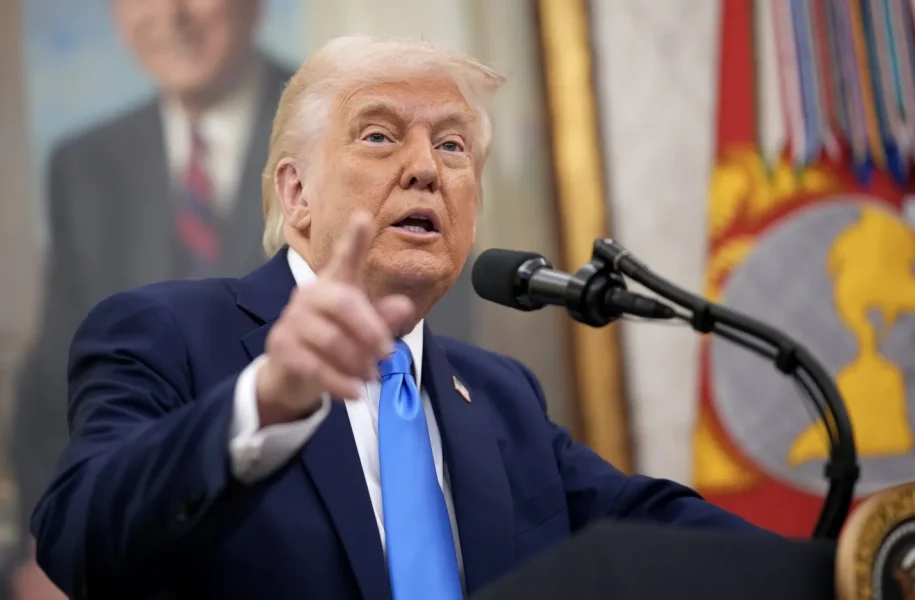
A sudden and unverified geopolitical shock sent political and energy markets on alert today after President Donald Trump used a speech—amplified by a post on his Truth Social profile—to make sweeping claims about Venezuela, Nicolás Maduro, and the country’s oil wealth.
President Trump said in the speech that the United States had captured Venezuelan leader Nicolás Maduro and would move to use Venezuela’s oil reserves, selling “large amounts” to other countries.
Key Takeaways
- Trump made the claims in a speech and echoed them via his Truth Social profile.
- The United States allegedly launched strikes in Venezuela, followed by the reported capture of Maduro and his wife.
- Caracas reported explosions, declared a state of emergency, and accused Washington of “military aggression.”
- Traders are already assessing the risk of supply disruptions and higher volatility in oil markets.
- Venezuela holds the world’s largest proven oil reserves, giving the situation global energy implications.
Alleged military action and political escalation
According to Trump’s remarks, U.S. forces carried out operations in Venezuela, after which Maduro and his wife were reportedly detained and flown out of the country. Trump also said the U.S. would leverage Venezuela’s oil system after the capture, presenting the move as both strategic and economic. These claims have not been confirmed by U.S. defense officials.
JUST IN: 🇺🇸🇻🇪 President Trump says US oil companies will go into Venezuela, spend billions of dollars, fix the badly broken oil infrastructure, and start making money for the country. pic.twitter.com/TeSTUiqYUo
— Watcher.Guru (@WatcherGuru) January 3, 2026
Authorities in Caracas reported explosions and declared a nationwide state of emergency. Venezuelan officials described the events as U.S. “military aggression” and announced the mobilisation of military and civilian forces. The government also said it would seek international condemnation through the United Nations, CELAC, and other multilateral organisations.
Oil markets on alert as uncertainty grows
Traders quickly turned their attention to the potential impact on energy markets. Venezuela possesses the world’s largest proven oil reserves, and while production has been severely constrained by sanctions and years of underinvestment, any threat to its oil infrastructure carries immediate global consequences. Reports of explosions, emergency measures, and internal instability increase the risk of disruptions at ports, pipelines, and production sites linked to state oil company PDVSA.
For oil markets, perception matters as much as confirmed damage. Even without verified supply losses, the possibility of export interruptions is enough to inject a geopolitical risk premium into prices. Heavy crude supply is already tight worldwide, and Venezuelan barrels—particularly those moving indirectly to Asia or previously supplying U.S. refiners—are difficult to replace quickly.
In the near term, this type of headline-driven risk is typically bullish for crude prices. Brent is expected to react first due to its global benchmark status, while WTI could also rise if traders fear renewed disruption across Western Hemisphere supply chains. Volatility is likely to increase as markets respond to each new statement, denial, or confirmation from Washington and Caracas.
From an OPEC+ perspective, any sudden loss of Venezuelan output would quietly support higher prices. With the group already managing supply carefully, there would be little urgency to offset unexpected disruptions, allowing crude prices to remain elevated if tensions persist.
Until there is official confirmation or denial from U.S. authorities, markets are likely to treat the situation as a high-impact geopolitical flashpoint. The immediate takeaway is not confirmed supply loss, but rising uncertainty—an environment that historically pushes oil prices higher, increases volatility, and keeps traders extremely sensitive to headlines.
The information provided in this article is for educational purposes only and does not constitute financial, investment, or trading advice. Coindoo.com does not endorse or recommend any specific investment strategy or cryptocurrency. Always conduct your own research and consult with a licensed financial advisor before making any investment decisions.



Alexander Zdravkov is a person who always looks for the logic behind things. He has more than 3 years of experience in the crypto space, where he skillfully identifies new trends in the world of digital currencies. Whether providing in-depth analysis or daily reports on all topics, his deep understanding and enthusiasm for what he does make him a valuable member of the team.