Trump–Macron Standoff Rekindles Transatlantic Trade Fears
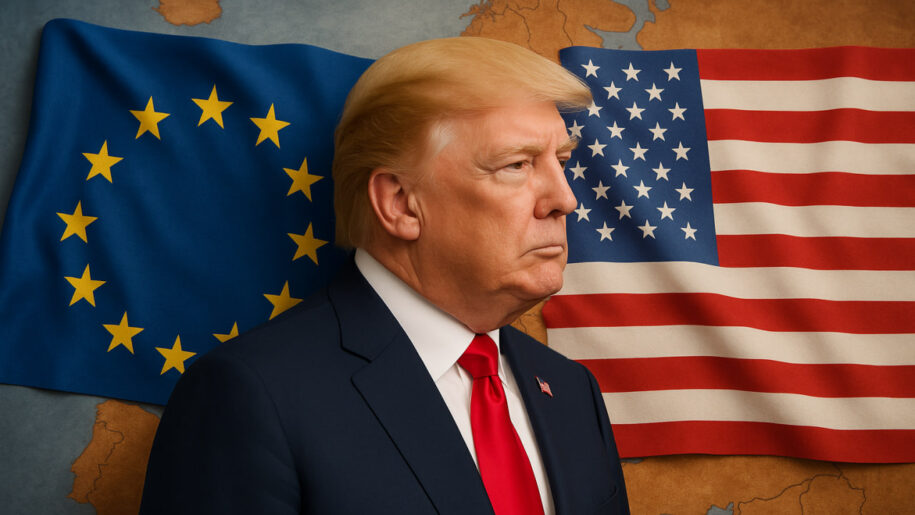
A series of rapid-fire political and financial developments has intensified tensions between the United States and Europe, sending fresh shockwaves through diplomatic channels and global markets.
At the center of the latest escalation is Donald Trump, who publicly threatened to impose tariffs of up to 200% on French wine and champagne imports. The warning followed France’s decision to distance itself from Trump’s proposed “Board of Peace,” a move that the former president framed as hostile.
- The warning was linked to France declining participation in Trump’s “Board of Peace”
- Trade tensions between the U.S. and France have resurfaced abruptly
- Markets and diplomats are closely watching for policy follow-through
According to remarks captured by reporters, Trump said that if France continued what he described as an unfriendly posture, he would respond with sweeping trade penalties targeting iconic French exports. The comments came amid heightened media attention after Trump was asked directly about France’s refusal to participate in his initiative.
Diplomatic Friction With France Escalates
The standoff deepened further when Emmanuel Macron publicly stated that he did not plan to speak with Trump during the World Economic Forum in Davos. The declaration appeared to contradict earlier signals of engagement, as Trump had shared evidence suggesting Macron had recently sought a meeting.

The conflicting messages underscored the fragility of transatlantic relations at a time when trade policy, security, and global economic stability are increasingly intertwined. Trump’s tariff threat, while not yet formalized, revived memories of past trade disputes that disrupted supply chains and rattled markets.
Investors Begin to Reassess US Risk
Beyond diplomacy, the political uncertainty is already spilling into financial decision-making. Denmark’s largest academic pension fund, AkademikerPension, announced plans to fully exit its holdings in U.S. Treasuries by the end of the month.
The fund cited rising credit risk tied to U.S. fiscal policy, concerns over weakening budget discipline, and the prospect of a softer dollar. Its leadership also pointed to geopolitical uncertainty linked to Trump’s foreign policy stance, including renewed pressure related to Greenland, as factors undermining confidence in U.S. government debt.

Such a move is highly unusual for a large European pension fund and may signal a broader reassessment among institutional investors if political volatility persists.
A Broader Signal for Markets
Taken together, the developments paint a picture of growing unease. Trade threats aimed at close allies, strained diplomatic communication, and early signs of capital reallocation suggest that political risk is once again becoming a dominant force in global markets.
While it remains unclear whether Trump’s tariff warning will translate into concrete policy, the reaction from both governments and investors highlights how quickly rhetoric can influence economic behavior. For now, markets are watching closely to see whether these tensions escalate further—or whether cooler heads prevail before financial consequences deepen.
The information provided in this article is for educational purposes only and does not constitute financial, investment, or trading advice. Coindoo.com does not endorse or recommend any specific investment strategy or cryptocurrency. Always conduct your own research and consult with a licensed financial advisor before making any investment decisions.



Alexander Zdravkov is a person who always looks for the logic behind things. He has more than 3 years of experience in the crypto space, where he skillfully identifies new trends in the world of digital currencies. Whether providing in-depth analysis or daily reports on all topics, his deep understanding and enthusiasm for what he does make him a valuable member of the team.